


Best Jeep Fender Flares
If you have ever asked, “What is a drag link on a Jeep?”, you already understand that small components can have a massive impact on how your Jeep handles abuse on the trail. Fender flares work the same way.
They control tire clearance, protect critical parts, and determine whether your Jeep looks purpose-built or slapped together.
The best Jeep fender flares do more than meet legal coverage requirements. They survive tire contact at full lock and integrate cleanly with suspension, steering, and armor.
We're here to break down how to choose the right setup and highlight proven fender solutions built for real seen-it-all trail rigs.
What this article covers:
What to Look for in the Best Jeep Fender Flares
Choosing Jeep fender flares should start with how your Jeep actually gets used, not how it looks parked. A flare that works on the street can become a liability once suspension travel and articulation come into play.
Here are the factors that separate solid fender flares from the ones you replace twice.
- Tire coverage versus clearance determines whether the flare exists to satisfy road laws or to survive full suspension compression on the trail.
- Material strength affects how well the flare handles impacts, vibration, and long-term fatigue under off-road loads.
- Mounting style dictates whether the flare stays tight after years of flex or loosens up after a few trail days.
- Rust resistance and finish quality matter because fenders live in a constant spray of mud, water, and debris.
- Daily driving priorities differ from dedicated trail rigs, and flare design should match that reality.
Material choice plays a big role here. Aluminum inner fenders reduce weight and resist corrosion, while steel flare systems trade weight for maximum impact resistance. Plastic flares work for light duty, but they rarely survive repeated trail contact without cracking or sagging.

Best Jeep Fender Flares
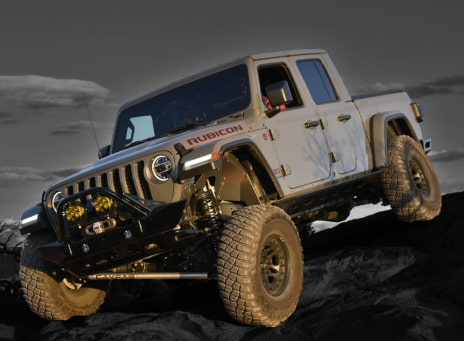
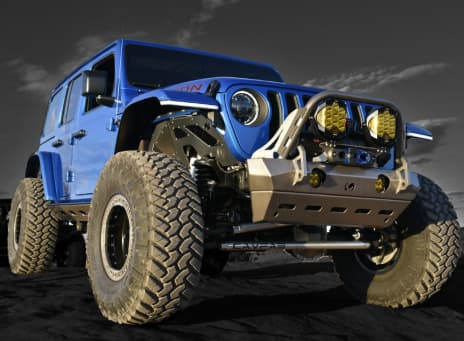
Jeep Wrangler JL / Gladiator JT Front Aluminum Inner Fenders
These front inner fenders replace the factory plastic liners with .063-inch laser-cut, CNC-formed aluminum panels designed specifically for the JL and JT engine bays.
The structure stays rigid under flex without stacking unnecessary weight up front, which matters once you start cycling bigger tires through real suspension travel.
If you're already building around stronger Jeep parts and dialing in clearances with tuned Jeep suspension, this is the kind of foundational upgrade that keeps the front end predictable.
Clearance supports up to 40-inch tires on 3.6L and 2.0L engines, and up to 38-inch tires on diesel or Hemi setups with washer tank relocation.
What is a track bar on a Jeep comes up a lot on JL/JT builds because lateral axle movement at full stuff is where “it clears in the driveway” turns into rubbing, and inner fenders help manage that reality.
Jeep Wrangler JL Rear Aluminum Inner Fenders
Rear inner fenders on the JL handle a different job than the front. Luckily, these 063-inch aluminum fenders clean up the rear wheel well and allow the tire to sit deeper without beating up factory seams or flimsy plastic.
On a JL that also runs weight-bearing gear or armor, it's a smart move to keep the rear end tidy and durable, especially alongside platform-specific hardware like Jeep JL rear bumpers.
They bolt on without drilling and are built to work with suspension travel instead of fighting it. While designed to support up to 40-inch tires, very large setups may still require trimming depending on bump stop tuning and axle placement.

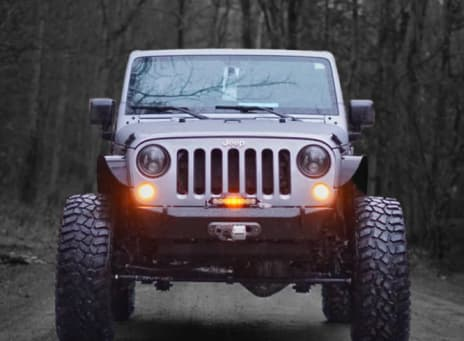
Jeep Wrangler JK / JKU Front Aluminum Inner Fenders
JK and JKU platforms benefit immediately from ditching the factory plastic liners. CavFab's JK inner fenders use .060-inch CNC-formed aluminum to create a rigid barrier between the tire and engine bay while increasing usable clearance at full bump.
Installation requires drilling for proper mounting, which trades convenience for long-term rigidity. This is the type of part that stays tight when the Jeep starts flexing and vibrating for real, rather than slowly walking loose over time.
Jeep Gladiator JT Aluminum Passenger Rear Inner Fender
The Gladiator's rear wheel wells see unique stress due to wheelbase length and articulation angles. The Jeep JT inner fenders, made of 0.063-inch aluminum, protect the bed structure and body seams while allowing controlled tire movement during suspension compression.
It installs as a bolt-on panel and is intended for builders running larger tires who want durability without sacrificing clearance. Like other rear inner fender setups, extreme tire-and-wheel combos may still require trimming, but the goal is predictable movement under load and flex.
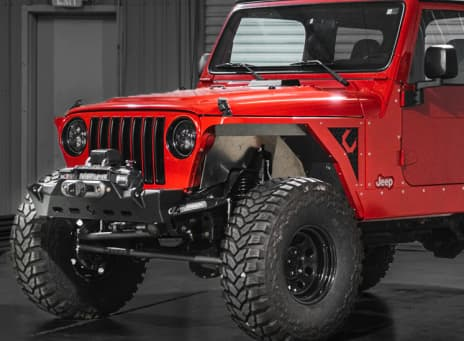
TJ / LJ Hi-Clearance Front Inner Fender (All Width)
This inner fender is engineered specifically to pair with CavFab's hi-clearance outer fenders on the TJ and LJ. Constructed from .060-inch aluminum, it protects the engine bay while opening up space for tire travel that factory liners cannot accommodate.
On older platforms, that extra usable room matters because the body tolerances are tighter and the factory liners were never designed for modern tire sizes and articulation.
The flat, all-width design gives builders flexibility when setting flare width and wheel offset. If you're building out a TJ/LJ front end alongside platform armor like Jeep TJ bumpers or broader Jeep Wrangler parts, this inner fender supports the same “build it once, wheel it hard” approach.

Frequently Asked Questions
Do Fender Flares Add Tire Clearance on a Jeep?
Fender flares do not change suspension travel or physically “lift” the tire path. They do change where the tire can go without contacting sheet metal, especially at full bump. High-clearance flare profiles and properly designed inner fenders buy you usable room where it actually matters: compression and articulation.
Are Metal Fender Flares Better Than Plastic?
Metal wins when impacts and abrasion become part of the normal operating environment. It resists cracking, sagging, and mounting-hole “wallowing” that shows up after repeated vibration. Plastic can flex once or twice, but it tends to fatigue, split, or loosen once it takes repeated hits and heat cycles.
Can Fender Flares Help Keep My Jeep Street Legal?
Yes, flare width and coverage often determine whether your tires meet local requirements for tread coverage. A wider flare can keep spray and debris under control while still letting you run a high-clearance profile.
Conclusion
The best Jeep fender flares support how you actually drive and wheel your rig, not how it looks parked. Clearance and coverage always fight each other a little, so you pick the balance that matches your tire size, wheel offset, suspension travel, and how hard you stuff the rig into real terrain.
CavFab designs fender solutions the same way we build everything else: fabrication-first, engineered around movement, and proven where parts fail.
When you're ready to build with confidence and control, put your money into parts that respect the way a Jeep actually moves under load.
Start with CavFab-engineered Jeep fenders and end up with a setup of Jeep parts that survives the trail, not just the driveway.
Ready to learn more about steering and suspension?
- What Is A Drag Link On A Jeep
- What Does A Track Bar Do On A Jeep
- What Is A Steering Damper On A Jeep