

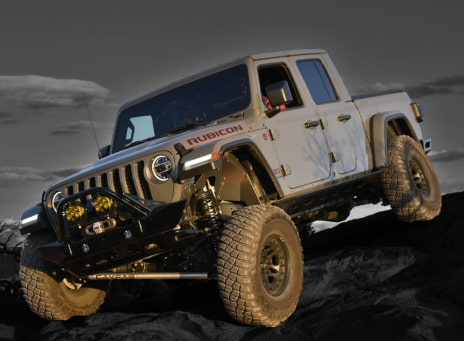
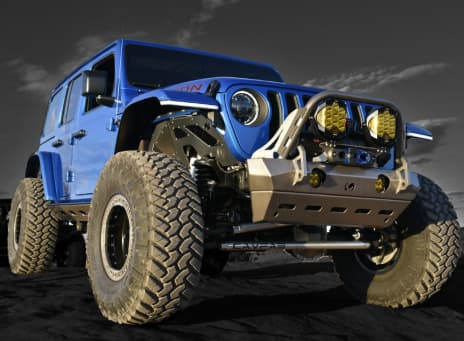
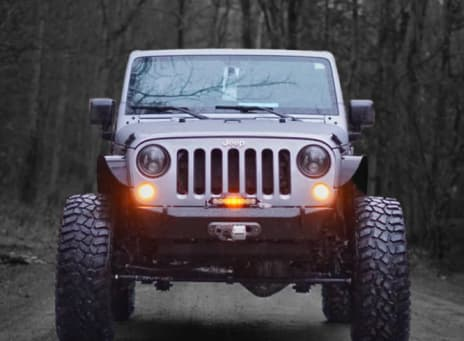
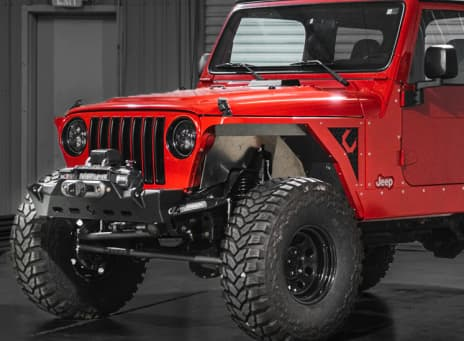

Jeep Willys Vs Rubicon
The Willys and Rubicon sit near the top of many Wrangler shopping lists, and for good reason. Both trims were designed with off-road enthusiasts in mind, but they approach capability from different angles.
The Willys focuses on delivering strong trail performance and value, while the Rubicon comes equipped with hardware built specifically for more demanding terrain.
When comparing Jeep Willys vs Rubicon, the decision often comes down to how you plan to use your Jeep. Some owners want maximum factory capability from day one. Others prefer starting with a capable platform and investing their budget into upgrades that match their specific driving style.
Neither approach is wrong. The best choice depends on where you drive and how much of the build process you want to handle yourself.
What this article covers:
- Quick Comparison: Willys Vs Rubicon Specs
- Off-Road Capability
- Daily Driving And Comfort
- Factory Equipment And Trail Features
- Modification Potential And Long-Term Buildability
- Aftermarket Support And Ownership Experience
Quick Comparison: Willys Vs Rubicon Specs
While both trims share Wrangler DNA, several key components separate them once the trail gets rough.
|
Spec |
Jeep Willys |
Jeep Rubicon |
|
Intended Use |
Daily driving, moderate trails, overlanding |
Technical trails and rock crawling |
|
Axles |
Standard Wrangler axle package |
Heavy-duty Dana 44 axles |
|
Locking Differentials |
Rear limited-slip differential on many models |
Front and rear locking differentials |
|
Transfer Case |
Standard Wrangler transfer case |
Rock-Trac transfer case |
|
Tires |
Factory off-road tire package |
Larger aggressive off-road tires |
|
Suspension |
Trail-capable factory setup |
More trail-focused factory suspension |
|
Ground Clearance |
Improved over standard trims |
Maximum factory Wrangler clearance |
|
Starting Price |
Lower |
Higher |
Specifications vary by model year, drivetrain, package selection, and body style. Always compare the exact vehicles you're considering before making a final decision.

Off-Road Capability
Both trims perform well off pavement, but their capabilities begin to separate as terrain becomes more technical.
Jeep Willys
The Willys offers substantially more trail capability than Sport and Sahara trims while maintaining a lower purchase price than the Rubicon.
Several features contribute to its off-road performance:
- Factory off-road tires provide improved traction on loose terrain.
- Many models include a rear limited-slip differential that helps transfer power more effectively than an open differential.
- The package handles moderate trails, forest roads, sand, mud, and rocky terrain with confidence.
The Willys hits a sweet spot for many Jeep owners. It delivers meaningful trail capability without requiring the premium price tag associated with the Rubicon. For weekend adventures, overlanding trips, and moderate trail systems, it performs exceptionally well.
Jeep Rubicon
The Rubicon was engineered specifically for technical off-road driving.
Its trail-focused hardware includes:
- Front and rear locking differentials.
- A Rock-Trac transfer case with a lower crawl ratio.
- An electronic sway bar disconnect.
- Heavy-duty axle assemblies.
- More aggressive off-road tires.
Locking differentials represent one of the biggest advantages. Unlike limited-slip systems, lockers mechanically force both wheels on an axle to rotate together.
When one tire loses traction, the wheel with grip continues pulling the Jeep forward.
The Rock-Trac transfer case provides another significant advantage. Lower gearing increases torque multiplication while slowing wheel speed, giving drivers more precise control during rock crawling and steep climbs.
Verdict
Rubicon wins for off-road capability.
Drivers who regularly tackle difficult obstacles, ledges, deep ruts, and technical terrain will benefit from the Rubicon's factory trail equipment.

Daily Driving And Comfort
Not every mile happens on a trail. Daily usability plays a major role in ownership satisfaction.
Jeep Willys
The Willys strikes an appealing balance between capability and comfort.
Key advantages include:
- It remains comfortable enough for commuting and long highway drives.
- Its overall setup feels less aggressive than the Rubicon.
- Ownership costs generally stay lower due to the reduced purchase price.
- It balances everyday practicality with genuine off-road performance.
- The tire package remains trail-capable without becoming excessively noisy.
Many owners appreciate that the Willys feels equally comfortable driving to work on Monday and exploring trails on Saturday.
Jeep Rubicon
The Rubicon prioritizes trail performance first.
That focus creates several tradeoffs:
- Aggressive tires often generate additional road noise.
- Heavier-duty components can produce a firmer driving experience.
None of these characteristics make the Rubicon difficult to live with, but drivers who spend most of their time on pavement may notice the differences.
Verdict
Willys wins for everyday usability.
For owners who spend significantly more time driving on roads than technical trails, the Willys often delivers the better overall balance.
Factory Equipment And Trail Features
Factory equipment influences both trail performance and future modification costs.
Jeep Willys
The Willys provides an impressive package for the money.
Its strengths include:
- A factory off-road appearance package.
- Upgraded tire options.
- Trail-ready capability at a lower price point.
- Strong value within the Wrangler lineup.
- A practical starting point for future upgrades.
- Lower entry costs compared to a Rubicon.
Many Jeep owners find the Willys delivers enough capability without paying for hardware they may rarely use.

Jeep Rubicon
The Rubicon arrives with equipment designed for serious off-road use.
Key components include:
- Heavy-duty Dana 44 axles.
- Front and rear lockers.
- Electronic sway bar disconnect.
- Additional skid plate protection.
- More aggressive factory tire package.
These upgrades directly improve traction, articulation, durability, and obstacle management.
Verdict
Rubicon wins for factory equipment. The Rubicon includes many of the upgrades Wrangler owners eventually install themselves.
Modification Potential And Long-Term Buildability
Builders often care less about factory specifications and more about long-term potential.
Jeep Willys
The Willys has become a favorite starting point for many builders.
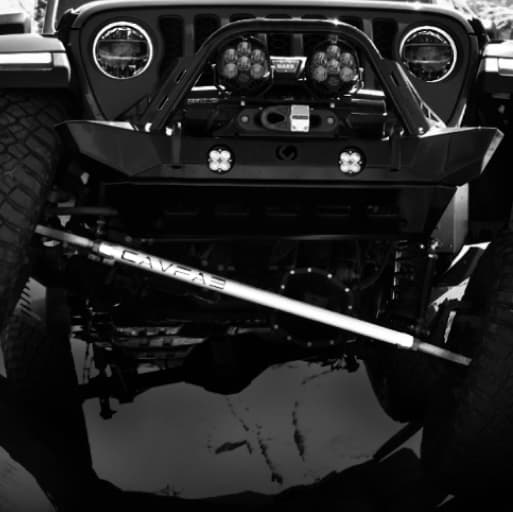
Its lower purchase price leaves additional room in the budget for upgrades that directly support the owner's goals. Instead of paying for factory lockers and advanced trail equipment, that money can go toward stronger steering systems and protection components.
Whether a driver starts with a Willys, Sahara, or Sport trim, the larger Jeep Wrangler vs Rubicon decision usually comes down to factory trail hardware versus a more flexible build budget. The Willys lands in the middle because it delivers meaningful off-road capability without forcing buyers into the Rubicon's higher upfront cost.
Many owners begin with Jeep suspension upgrades before moving into Jeep control arms, Jeep track bars, and reinforced steering systems. These upgrades become increasingly important as tire size grows.
Jeep Rubicon
The Rubicon starts with premium trail hardware already installed.
That foundation allows owners to focus on advanced modifications rather than foundational upgrades.
Common additions include:
- Larger tires.
- Reinforced steering systems.
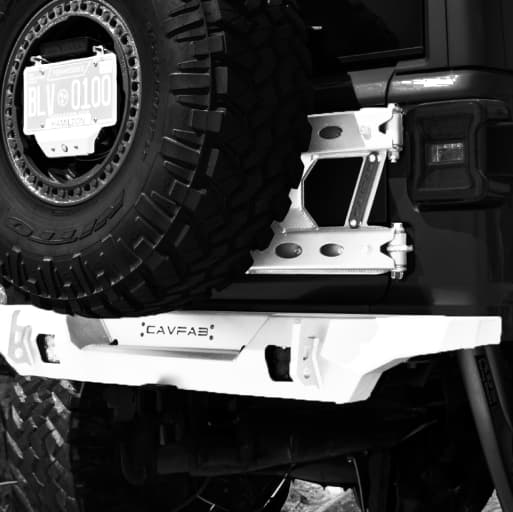
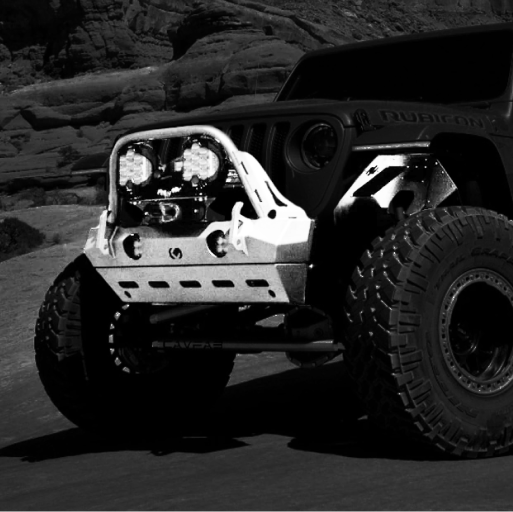
- Jeep armor.
- Jeep skid plates.
- Jeep bumpers.
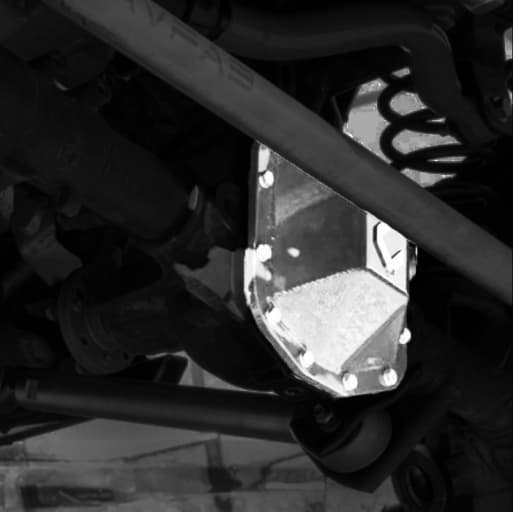
- Differential protection and recovery equipment.
The Rubicon remains one of the most modified Wrangler trims on the market because owners often push them into increasingly difficult terrain.
Verdict
Both are excellent platforms, but the Willys often provides better value for builders.
Many Jeep owners prefer investing the price difference into upgrades that directly match their goals. That can include heavy-duty steering systems, suspension upgrades, control arms, skid plates, armor, and bumpers, rather than paying for factory equipment they may not fully utilize.

Aftermarket Support And Ownership Experience
One advantage shared by both trims is access to Wrangler's unmatched aftermarket ecosystem.
Jeep Willys
The Willys benefits from decades of Wrangler aftermarket development.
Owners gain several advantages:
- Nearly unlimited upgrade paths.
- Easy access to replacement and performance parts.
- Strong enthusiast communities.
- Proven solutions for common modifications.
Whether you're upgrading protection, improving suspension performance, or adding drivetrain strength, the Wrangler platform offers no shortage of options.
Jeep Rubicon
The Rubicon enjoys the same aftermarket support while beginning with a more capable foundation.
Advantages include:
- Strong resale demand among off-road enthusiasts.
- Extensive compatibility with aftermarket systems.
- Easier entry into advanced trail driving.
- Excellent support for large-tire builds and technical trail setups.
- Broad availability of steering, suspension, and armor upgrades.
Verdict
It's a tie, with a slight edge to the Wrangler platform as a whole.
Whether you choose a Willys or Rubicon, you're buying into one of the strongest aftermarket ecosystems in off-roading. That makes future upgrades far easier than many competing platforms.
Conclusion
The Willys offers exceptional value for Jeep owners who want strong trail capability and a flexible platform. The Rubicon delivers maximum factory capability with lockers, advanced crawl control, and trail-focused hardware already installed.
Both trims benefit from Wrangler's unmatched aftermarket support and can be transformed into highly capable trail rigs.
At CavFab, we build American-made Jeep parts for Jeep owners who expect real performance on real trails.
From heavy-duty Jeep control arms and Jeep track bars to trail-proven Jeep armor, Jeep skid plates, Jeep front bumpers, and Jeep rear bumpers, we focus on strength, fitment, and durability that holds up when conditions get rough.
Build with confidence and spend more time driving your Jeep where it belongs.
Read more about Jeep builds: