


Jeep Sahara Vs Rubicon
When you compare the Sahara and Rubicon, you're really comparing two different philosophies. The Sahara leans toward comfort and everyday usability. The Rubicon focuses on factory-installed trail capability and the hardware needed to tackle tougher terrain.
The bigger question isn't which trim is better but rather whether you want to pay for advanced off-road equipment from the factory or start with a more affordable platform and build the Jeep around your own goals.
Choosing the right Wrangler starts with understanding how each trim performs in the real world, not just on a spec sheet.
What this article covers:
- Quick Comparison: Sahara Vs Rubicon Specs
- Off-Road Capability
- Daily Driving And Comfort
- Factory Equipment And Trail Features
- Modification Potential And Long-Term Buildability
- Aftermarket Support And Ownership Experience
Quick Comparison: Sahara Vs Rubicon Specs
Both trims share the Wrangler's core DNA, but the mechanical differences become obvious once you look underneath the hood.
|
Spec |
Jeep Sahara |
Jeep Rubicon |
|
Intended Use |
Daily driving, light trails, overlanding |
Technical off-road use, rock crawling |
|
Axles |
Standard Dana axles |
Heavy-duty Dana 44 axles |
|
Locking Differentials |
Typically open differentials |
Front and rear locking differentials |
|
Transfer Case |
Standard Command-Trac/Selec-Trac, depending on configuration |
Rock-Trac transfer case |
|
Tires |
All-terrain focused |
Larger, more aggressive off-road tires |
|
Suspension |
Comfort-oriented tuning |
Trail-focused tuning |
|
Ground Clearance |
Moderate |
Increased clearance and approach angles |
|
Starting Price |
Lower |
Higher |
Specifications vary by model year, drivetrain, body style, engine option, and package selection. Always compare the exact model you're considering before making a purchase decision.

Off-Road Capability
The differences between these trims become most obvious once the pavement ends.
Jeep Sahara
The Sahara remains a capable four-wheel-drive vehicle. Many owners underestimate what a stock Sahara can accomplish simply because it lacks the Rubicon badge.
A Sahara performs well in several environments:
- It handles forest service roads, gravel routes, and moderate trail systems with confidence.
- It works well for beach driving, camping trips, and weekend overlanding adventures.
- It provides enough capability for many owners who rarely encounter extreme obstacles.
The limitation comes from traction management. Most Sahara models use open differentials, which means power naturally follows the path of least resistance. When one tire loses grip, forward progress can stop surprisingly fast.
Jeep Rubicon
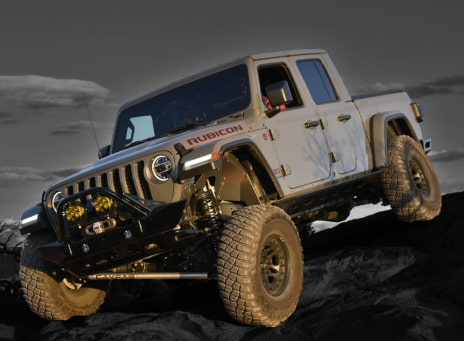
The Rubicon was designed around technical terrain from the start. Jeep engineers didn't simply add aggressive tires and decals. They added mechanical advantages that fundamentally change how the vehicle behaves off-road.
Key Rubicon advantages include:
- Front and rear locking differentials that force both wheels on an axle to rotate together.
- A Rock-Trac transfer case that delivers exceptional low-range crawl control.
- An electronic sway bar disconnect that allows greater suspension articulation.
- Heavy-duty axle assemblies designed for more demanding trail conditions.
- Improved traction management when navigating rocks, ledges, deep ruts, and uneven terrain.
The locking differentials alone can transform a trail obstacle from impossible to routine. When traction disappears on one side of the axle, the locker keeps power flowing to the tire that still has grip.
Verdict
Rubicon wins for off-road capability.
The Sahara handles moderate trail use exceptionally well, but the Rubicon arrives with equipment that many serious off-roaders eventually install through aftermarket upgrades.
If difficult terrain is already part of your plans, the Rubicon saves time, money, and garage labor.
Daily Driving And Comfort
Trail performance tells only part of the story. A lot of Wranglers spend more time on pavement than dirt.

Jeep Sahara
The Sahara was built with daily ownership in mind. Jeep aimed this trim at drivers who want Wrangler capability without sacrificing comfort during the workweek.
Several factors improve the driving experience:
- Less aggressive tires typically produce less road noise.
- Suspension tuning generally feels more composed during commuting and highway travel.
Body-color trim pieces also create a more refined appearance. It's a Wrangler, but it doesn't constantly remind everyone that it just returned from Moab.
Jeep Rubicon
The Rubicon's trail-focused equipment affects on-road behavior whether you're using that capability or not.
Larger tires often generate more road noise. Heavier-duty components can contribute to a firmer feel over broken pavement. None of this makes the Rubicon unpleasant to drive, but you notice the compromises.
Many owners happily accept those tradeoffs because they value trail performance. Others discover they paid for a capability they rarely use.
Verdict
Sahara wins for daily driving comfort.
Drivers who spend most of their time commuting, running errands, or taking highway trips generally find the Sahara easier to live with day after day.
Factory Equipment And Trail Features
Factory equipment influences both performance and future modification costs.
Jeep Sahara
The Sahara allocates more of its budget toward comfort and appearance features rather than hardcore off-road hardware.
Advantages include:
- A lower purchase price compared to the Rubicon.
- Street-friendly wheels and tire combinations.
- More flexibility for owners who prefer choosing their own upgrades later.
Many builders appreciate starting with a lower-cost platform and investing the savings where it matters most to their intended use.

Jeep Rubicon
The Rubicon includes factory equipment that serious trail drivers immediately recognize.
Its trail-focused package typically includes:
- Heavy-duty Dana 44 axles.
- Front and rear locking differentials.
- Electronic sway bar disconnect.
- Factory skid plate protection.
- Aggressive off-road tire packages.
- A Rock-Trac transfer case.
These aren't cosmetic upgrades. They're components that directly improve traction, articulation, durability, and obstacle clearance.
Verdict
Rubicon wins for factory equipment. When the trail turns steep or unpredictable, the Rubicon's hardware begins earning its keep.
Modification Potential And Long-Term Buildability
Builders often evaluate a Wrangler based on where it can go, not where it starts.
Jeep Sahara
The Sahara gives budget-conscious builders an attractive foundation. Money saved during purchase can fund upgrades that match specific goals rather than factory assumptions. A well-built Sahara can become remarkably capable because the owner controls every modification decision.
Jeep Rubicon
The Rubicon starts from a stronger baseline. Lockers, axle strength, and crawl control already exist. That allows builders to focus on additional performance improvements rather than filling capability gaps.
Popular upgrades often include:
- Larger tire packages.
- Reinforced steering systems.
- Jeep armor.
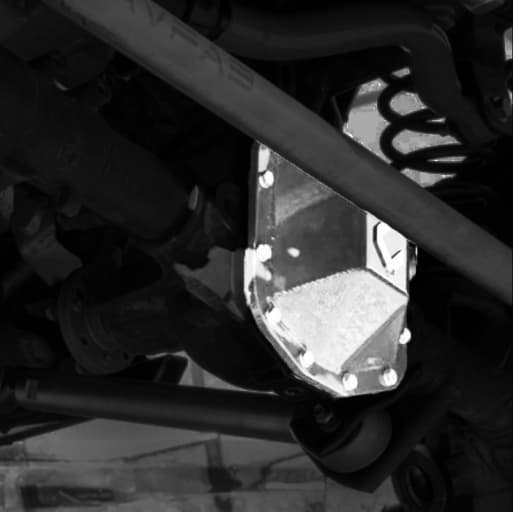
- Jeep skid plates.
- Advanced suspension systems.
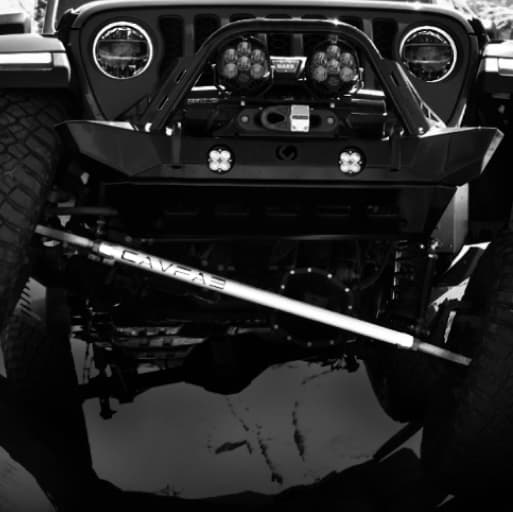
As tire size increases, steering geometry becomes increasingly important. Larger tires create additional leverage against steering components. Strong tie rods, track bars, and mounting systems help maintain control while reducing unwanted steering movement over rough terrain.
Verdict
In our experience, Sahara wins for budget-led builders, while Rubicon wins for serious trail builds.
A Sahara makes sense when you want maximum control over your upgrade path. A Rubicon makes sense when you want a stronger factory foundation before adding larger modifications.
Natural upgrade paths often involve Jeep Wrangler suspension, steering reinforcement, Jeep bumpers, and drivetrain protection, regardless of which trim you choose.

Aftermarket Support And Ownership Experience
One advantage shared by both trims is access to one of the strongest aftermarket communities in the automotive world.
Jeep Sahara
The Sahara benefits from the same aftermarket ecosystem that supports virtually every Wrangler platform. Owners commonly improve capability through:
- Suspension geometry upgrades.
- Steering reinforcement.
- Armor and underbody protection.
- Tire clearance improvements.
- Recovery equipment additions.
Whether you're comparing Jeep Willys vs Rubicon or evaluating a Sahara build, the Wrangler platform offers nearly endless customization opportunities.
Jeep Rubicon
Rubicon owners enjoy equally extensive aftermarket support, often with fewer required upgrades before tackling difficult terrain.
The platform remains popular because it combines factory capability with enormous growth potential. Even a well-equipped Rubicon benefits from stronger steering components, upgraded protection, and drivetrain reinforcement as tire size and trail difficulty increase.
Conversations around the Jeep Gladiator Mojave vs Rubicon frequently highlight this same principle. Factory capability creates a strong starting point, but dedicated off-roaders eventually tailor the vehicle to their own driving style.
Verdict
Tie, with the Rubicon ahead for trail-focused ownership. Both trims offer outstanding aftermarket potential. The Rubicon starts closer to extreme capability, while the Sahara gives builders more flexibility to create a custom solution from the ground up.
Conclusion
Neither trim is universally better because they serve different Jeep owners.
The Sahara works best for drivers who prioritize comfort, daily usability, and the freedom to build their Jeep over time. The Rubicon works best for owners who want serious off-road hardware from day one and plan to spend significant time on challenging trails.
Both platforms respond exceptionally well to thoughtful upgrades. Strong Jeep suspension, properly matched Jeep control arms, stronger Jeep track bars, durable Jeep armor, quality Jeep skid plates, and well-designed Jeep bumpers can dramatically improve capability regardless of which trim sits in your driveway.
At CavFab, we build American-made Jeep parts for owners who care about proven engineering, trail control, and long-term durability.
Whether you're refining a daily-driven Sahara or strengthening a hard-used Rubicon, the right components help keep your Jeep ready for the next trip into the backcountry.
Read more about Jeep builds: