


Jeep Gladiator Mojave Vs Rubicon
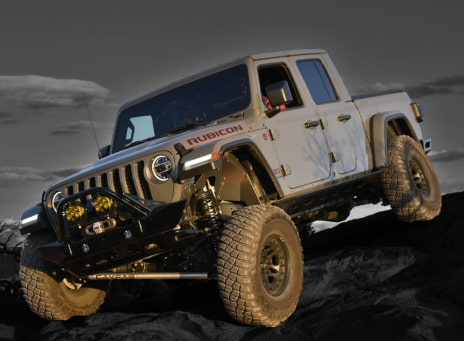
The Mojave and Rubicon represent two very different approaches to off-road performance. Both sit near the top of the Gladiator lineup, but they were engineered with different terrain in mind.
The Mojave was built for higher-speed desert travel, rough roads, and open terrain. The Rubicon was designed around low-speed control, technical obstacles, and rock crawling.
When comparing the Jeep Gladiator Mojave vs Rubicon, the most important factor isn't which trim is better. It's understanding where and how you'll use your Gladiator. For owners planning future upgrades, those differences help determine which platform provides the strongest foundation for their goals.
What this article covers:
- Quick Comparison: Mojave Vs Rubicon Specs
- Off-Road Capability
- Suspension And Ride Quality
- Factory Equipment And Trail Features
- Modification Potential And Long-Term Buildability
- Aftermarket Support And Ownership Experience
Quick Comparison: Mojave Vs Rubicon Specs
While both trims share the same Jeep Gladiator platform, their hardware packages reflect very different priorities.
|
Spec |
Jeep Gladiator Mojave |
Jeep Gladiator Rubicon |
|
Intended Use |
Desert running, overlanding, rough terrain |
Technical trails, rock crawling |
|
Suspension |
FOX internal bypass shocks |
Trail-focused articulation setup |
|
Differential Lockers |
Rear locker |
Front and rear lockers |
|
Transfer Case |
Command-Trac transfer case |
Rock-Trac transfer case |
|
Tires |
Aggressive all-terrain tires |
Larger off-road tire package |
|
Ground Clearance |
High clearance desert-focused setup |
Maximum trail-focused clearance |
|
Crawl Ratio |
Lower than the Rubicon |
Superior crawl ratio |
|
Starting Price |
Slightly lower in many configurations |
Higher |
Specifications may vary by model year, drivetrain configuration, and optional packages. Always verify the exact equipment on the Gladiator you're considering.

Off-Road Capability
The Mojave and Rubicon excel off-road, but they shine in completely different environments.
Jeep Gladiator Mojave
The Mojave was the first Jeep to earn the Desert Rated badge, and that designation wasn't marketing fluff. Jeep engineers reinforced the platform specifically for the rough terrain encountered at higher speeds.
Key advantages include:
- FOX internal bypass shocks designed to absorb repeated impacts.
- Reinforced frame and suspension components.
- Excellent stability on washboard roads.
- Strong performance in sand and open terrain.
- Better composure at speed over rough surfaces.
The Mojave thrives where momentum matters. Long stretches of desert terrain, fire roads, and remote overland routes play directly into its strengths.
Jeep Gladiator Rubicon
The Rubicon approaches off-road capability from the opposite direction.
Its trail package includes:
- Front and rear locking differentials.
- Rock-Trac transfer case.
- Electronic sway bar disconnect.
- Heavy-duty Dana 44 axles.
- Superior low-speed traction management.
- Better obstacle-climbing capability.
The locking differentials create one of the biggest advantages. When a tire loses contact with the ground, lockers ensure power continues reaching the wheels that still have traction.
Combined with the lower gearing of the Rock-Trac transfer case, the Rubicon provides exceptional control on steep climbs and technical obstacles.
Verdict
Rubicon wins for technical off-road capability. Drivers who regularly tackle rocks, ledges, deep ruts, and difficult trails will benefit from the Rubicon's specialized hardware.
Suspension And Ride Quality
The Mojave and Rubicon both ride on capable Gladiator foundations, but their suspension tuning solves different problems.

Jeep Gladiator Mojave
The Mojave's suspension system was designed around speed, stability, and impact absorption. It works best where the trail opens up, and the truck has to manage repeated hits and quick weight transfer without feeling nervous.
Several components contribute to its reputation:
- FOX internal bypass shocks provide outstanding damping control.
- Hydraulic jounce bumpers absorb hard impacts.
- Suspension tuning improves comfort on rough surfaces.
The result is a Gladiator that feels remarkably composed when the terrain becomes rough. Washboard roads that unsettle other trucks feel noticeably smoother in the Mojave because the shocks control compression and rebound more effectively through repeated impacts.
It's still a Gladiator, not a trophy truck with plates. The long wheelbase and pickup bed still affect the breakover angle and weight distribution. But within the factory JT lineup, the Mojave gives drivers the most composed ride over fast, rough terrain.
Jeep Gladiator Rubicon
The Rubicon suspension focuses on articulation rather than speed. Its setup supports slow, deliberate trail work where tire placement and traction matter more than absorbing repeated impacts at higher speeds.
Its design priorities include:
- Improved wheel placement on obstacles.
- Better articulation during rock crawling.
The setup performs exceptionally well on technical trails where precise tire placement matters more than high-speed comfort. When a driver eases the Rubicon over rocks, ledges, or uneven ruts, the suspension helps keep tires in contact with the ground. More tire contact gives the lockers and gearing more to work with.
The Rubicon doesn't feel as composed as the Mojave on fast washboards or broken desert roads. That's because the Rubicon was built to crawl with control, not hammer through rough terrain at speed.
For owners who spend weekends picking lines through rocks or easing through tight wooded trails, that slower-speed confidence matters more than desert-speed comfort.

Verdict
Mojave wins for ride quality and high-speed terrain. Few factory midsize trucks handle rough terrain at speed as confidently, and the Mojave's suspension gives Gladiator owners a real advantage on washboards, desert trails, sandy routes, and long mixed-surface trips.
The Rubicon still wins when the terrain slows down, and articulation matters more than impact control.
Factory Equipment And Trail Features
Factory equipment often determines how much modification a vehicle needs before it reaches its intended purpose. The Mojave and Rubicon both arrive with serious hardware, but Jeep aimed that hardware at different types of abuse.
Jeep Gladiator Mojave
The Mojave arrives with a unique collection of desert-focused hardware. Its equipment supports speed, stability, and durability over rough terrain rather than maximum crawling performance.
Notable features include:
- FOX internal bypass shocks.
- Desert-rated package.
- Reinforced frame components.
- Hydraulic jounce bumpers.
- Performance-focused suspension tuning.
The Mojave was built for sand, gravel, washboards, and hard impacts that happen when a driver carries speed across uneven ground. The reinforced frame areas and suspension tuning help the truck tolerate that punishment better than a standard Gladiator.
Much like the broader Jeep Wrangler vs Rubicon discussion, buyers often choose between factory-installed capability and building around their own priorities later. The Mojave simply prioritizes a different type of capability than the Rubicon.

Jeep Gladiator Rubicon
The Rubicon focuses heavily on technical trail equipment. Its factory hardware gives drivers more control when traction is limited, and slow-speed precision decides whether the truck clears the line or drags itself across the rocks.
Its package includes:
- Front and rear lockers.
- Electronic sway bar disconnect.
- Rock-Trac transfer case.
- Heavy-duty Dana 44 axles.
- Trail-focused gearing.
- Additional factory protection.
Front and rear lockers help the Rubicon keep moving when one tire lifts or loses grip. The Rock-Trac transfer case gives the driver a slower wheel speed and better torque multiplication, which makes steep climbs and controlled descents easier to manage.
The electronic sway bar disconnect also gives the Rubicon more front-end articulation. On technical trails, that extra movement helps keep tires on the ground instead of hanging uselessly in the air.
Verdict
Rubicon wins for factory trail equipment.
The Rubicon includes more of the hardware most Jeep owners associate with serious off-road use. Lockers, crawl-focused gearing, sway bar disconnect, trail protection, and heavy-duty axle components give it a stronger foundation for technical terrain.
If the trail is fast, rough, and open, the Mojave factory equipment makes more sense. If the trail is slow, steep, rocky, and awkward, the Rubicon's hardware gives drivers a better starting point.
Modification Potential And Long-Term Buildability
Both trims offer outstanding foundations for custom builds, but the ideal upgrade path depends on your goals.
Jeep Gladiator Mojave
The Mojave has become a favorite platform for overland and desert-focused builders.
Its factory suspension provides a strong starting point, especially for owners carrying camping gear, recovery equipment, and additional cargo. As builds become heavier, many owners strengthen their rigs with upgrades such as Jeep suspension, Jeep control arms, and Jeep track bars.
Steering geometry becomes increasingly important as tire size and vehicle weight increase. Properly engineered components help maintain control, reduce unwanted steering movement, and improve durability during long off-road trips.

Jeep Gladiator Rubicon
The Rubicon starts closer to a completed trail rig.
Because the lockers, gearing, and crawl-focused hardware already exist, many owners focus their budgets on larger tires and supporting upgrades.
Common additions include:
- Larger tire packages.
- Steering reinforcement.
- Jeep armor.
- Jeep skid plates.
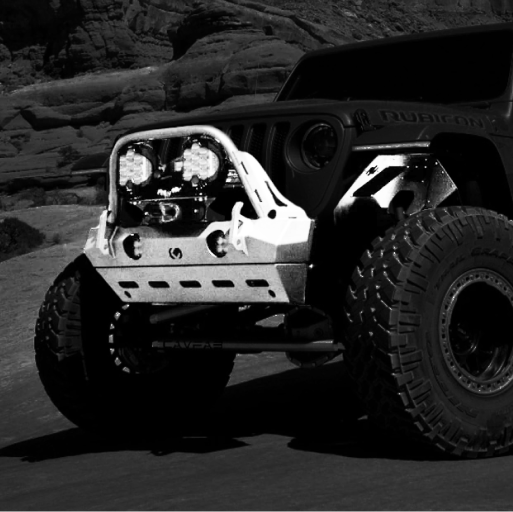
- Jeep front bumpers.
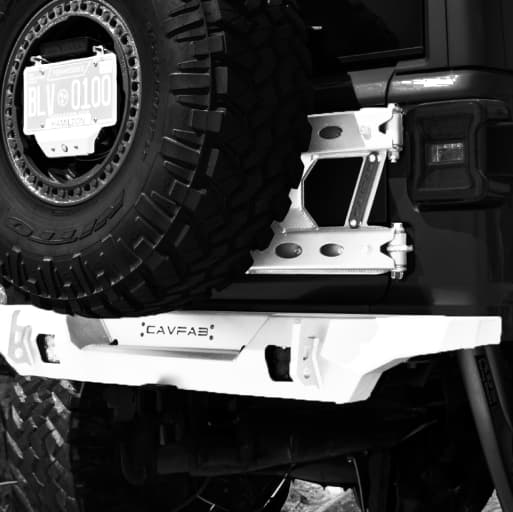
- Jeep rear bumpers.
Verdict
Both are excellent build platforms, but for different goals. The Mojave favors desert and overland-style builds. The Rubicon favors technical trail and rock-crawling builds.
Aftermarket Support And Ownership Experience
One of the Gladiator's biggest strengths is the rapidly growing aftermarket surrounding the JT platform.
Jeep Gladiator Mojave
The Mojave benefits from the same strong aftermarket support available to all Gladiators.
Advantages include:
- Extensive upgrade options.
- Strong support for overland builds.
- Easy access to replacement parts.
- Growing enthusiast community.
- Excellent compatibility with suspension and armor systems.
Jeep Gladiator Rubicon
The Rubicon enjoys equally strong aftermarket support.
Key benefits include:
- Strong popularity among serious off-road enthusiasts.
- Easy integration with advanced suspension systems.
- Broad compatibility with steering and armor upgrades.
Similar to the Jeep Sahara vs Rubicon debate, the aftermarket often matters more than the factory trim itself once owners begin customizing their vehicles.
Verdict.
Both trims benefit from the Gladiator's strong aftermarket support. The better choice depends on how and where you wheel.
Conclusion
The Mojave excels in desert environments, rough roads, higher-speed trails, and overland travel. The Rubicon dominates technical trails, rock crawling, and situations where traction and low-speed control matter most.
Both trims provide excellent foundations for future upgrades and benefit from the Gladiator's growing aftermarket ecosystem. The best choice comes down to whether your adventures involve covering ground quickly or carefully working through obstacles one tire at a time.
At CavFab, we build American-made Gladiator parts for owners who demand real-world durability.
From heavy-duty steering components and suspension systems to trail-proven Jeep armor, Jeep skid plates, Jeep Gladiator front bumpers, and Jeep Gladiator rear bumpers, we focus on reliability that holds up under real off-road abuse.
Read more about Jeep builds: