


Why Do Jeep Owners Have Ducks?
Pull into a parking lot with a Jeep, and there's a decent chance you'll spot a rubber duck riding on the dashboard or tucked near the windshield. For anyone new to the scene, it looks a little odd at first. Then you realize it's not a joke, and it's not some dealership handout either.
So, why do Jeep owners have ducks? The duck is part of a tradition Jeep owners created for each other. Someone sees another Jeep, leaves a duck as a friendly nod, and keeps the chain going.
That small gesture turned into one of the more recognizable parts of modern Jeep culture, which is why so many owners still carry a few ducks in the console.
What this article covers:
- What Is Jeep Ducking?
- Where Did Jeep Ducking Start?
- Why Jeep Owners Do It
- What Does Getting “Ducked” Mean?
- Jeep Ducking Etiquette (Yes, It's a Thing)
- Do All Jeep Owners Participate?
- Why Jeep Culture Is So Community-Driven
What Is Jeep Ducking?
Jeep ducking is exactly what it sounds like. One Jeep owner places a small rubber duck on another Jeep as a way to say, “Nice rig” or “You're part of the crew.”
Here's how it works in real life:
- Someone spots a Jeep they like, whether it's parked at a trailhead or outside a grocery store, and places a duck somewhere visible, like the door handle, hood, or cowl.
- Many people include a small note or tag, but it's not required. The act itself is the message.
- The owner comes back, finds the duck, and usually keeps it or passes the gesture forward by ducking another Jeep.

Where Did Jeep Ducking Start?
The tradition traces back to a Jeep owner named Allison Parliament in Canada. During the early days of COVID, when everything felt a bit off, she decided to leave a rubber duck on another Jeep as a simple way to lift someone's mood.
That one moment turned into a movement.
People shared the idea online, others started doing it in their own towns, and before long, it became part of everyday Jeep culture.
It worked because it was low effort and genuinely positive. No gatekeeping, no rules to memorize. Just a quick way to acknowledge someone else on the road.
Why Jeep Owners Do It
At its core, ducking is about connection. Jeep ownership has always been interactive, and this just added another layer to that.
People do it for a few straightforward reasons:
- It spreads a quick hit of positivity. You walk back to your Jeep and find something unexpected that makes you smile.
- It recognizes other Jeep owners without needing a conversation. Not everyone wants to stop and talk, but everyone understands the gesture.
- It creates small moments of interaction. Sometimes that turns into the Jeep wave, sometimes a quick chat, sometimes nothing at all.
- It reinforces the idea that Jeep ownership is shared, not isolated.
- It gives people a reason to look twice at other rigs, which keeps the culture active and engaged.
You'll see it happen anywhere. Parking lots, trailheads, fuel stops. It doesn't require an event or a meet-up.
What Does Getting “Ducked” Mean?
Getting ducked means another Jeep owner noticed your Jeep and decided to leave something behind as a friendly nod. That's it.
It's not a ranking system, and it's not about how much you've spent. It's just part of the broader Jeep culture that leans toward interaction instead of anonymity.

Jeep Ducking Etiquette (Yes, It's a Thing)
There aren't hard rules, but there are expectations. Most of them come down to respect.
- Only duck Jeeps. The tradition stays inside the community, and that's part of what keeps it meaningful.
- Place the duck somewhere safe. No wedging it into tight gaps or leaving it where it could scratch paint.
- Don't force interaction. Some owners will respond, some won't, and that's fine.
Optional details vary. Some people carry branded ducks or add tags. Others keep it simple with whatever they've got in the glove box.
Do All Jeep Owners Participate?
No, not everyone's into it, and that's normal. You'll see it more often in Wrangler and Gladiator crowds, especially among people who are already active in Jeep culture.
Some owners collect ducks and line them across the dashboard. Others remove them immediately or pass them along. It's a voluntary thing. No one expects participation, and no one's left out for skipping it.
Why Jeep Culture Is So Community-Driven
Jeep ownership has always been more interactive than most vehicles. You're not just driving from point A to point B. You're waving at other drivers, talking in parking lots, and helping people sort out trail problems when something goes sideways.
That's why ducking fits so naturally. It comes from the same mindset. Jeep owners tend to notice each other and trade experience without making it complicated.
For a lot of people, that's also how the build side starts.
A duck on the handle turns into a conversation. A conversation turns into questions about clearance, protection, steering feel, or what parts actually survive hard use.
Before long, you're not just part of the culture. You're figuring out what your Jeep needs and where better-fitting, USA-made Jeep parts make the ownership experience a whole lot better.
Conclusion
Ducking started as a small idea and stuck because it fits how Jeep owners already interact. It's simple and a good reminder that Jeep culture still runs on real-world connections.
If you're new to it, don't overthink it. Keep a few ducks handy, place them carefully, and pass one along when it feels right.
That same community spirit is a big part of what drives people deeper into Jeep ownership. One small interaction turns into a conversation, and before long, you're talking about trail use, protection, steering, clearance, or what you want the Jeep to do next.
At CavFab, we build USA-made Jeep parts for owners who are past the novelty stage and starting to make real decisions about durability and function.
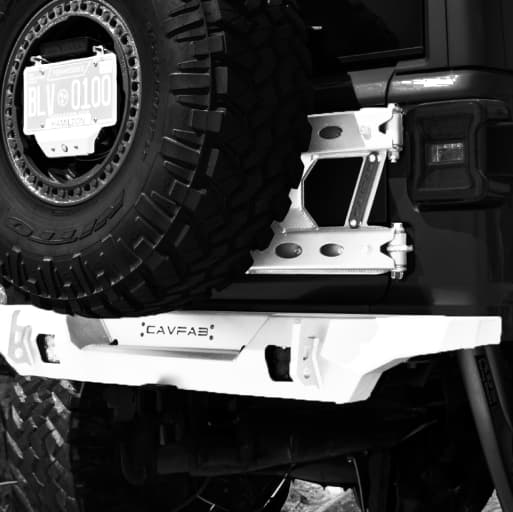
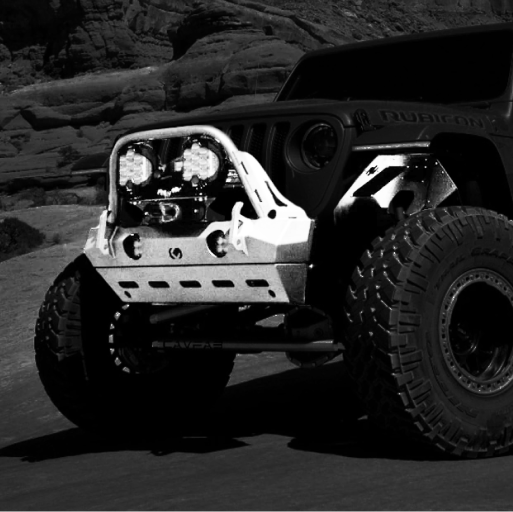
Whether that means stepping up to stronger Jeep bumpers, adding a better-fitting front bumper for Jeep Wrangler, improving protection with Jeep armor, or sorting out your Jeep suspension, the point is the same: Jeep culture gets you connected, and a well-built Jeep keeps you out using it.
Ready to learn more about Jeeps? Check out these articles: