



What Does Getting Ducked Mean for Jeep Owners?
If you've ever walked back to your Jeep and found a rubber duck on the handle, you've already been pulled into one of the more unique parts of Jeep culture.
But what does getting ducked mean for Jeep owners?
What started as a simple trend has become a sort of community signal. Ducking isn't random. It's intentional. Someone looked at your Jeep, noticed something about it, and decided it stood out enough to leave a mark. That's where it starts.
What this article covers:
What Getting Ducked Signals
Getting ducked is a quick, low-key way for Jeep owners to recognize each other without saying a word.
At its core, it signals three things:
- Recognition: Someone saw your Jeep and took the time to notice how it's built, how it sits, or how it's set up for real use.
- Appreciation: It's a nod that your choices make sense, whether that's your stance, your protection, or how the Jeep carries itself on and off the trail.
- Intentional action: No one accidentally ducks a Jeep. It's always a decision. That makes it more meaningful than a quick glance or a passing comment.
That's why ducking sticks around. It's simple, but it carries weight in a community where people care about how things are built.

What Makes a Jeep Duck-Worthy
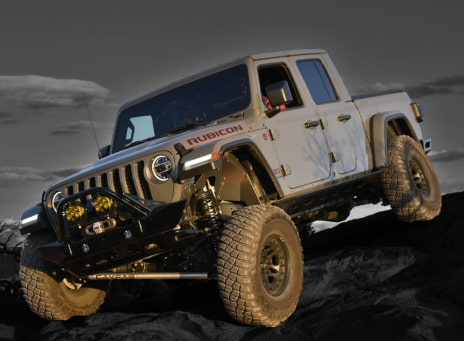
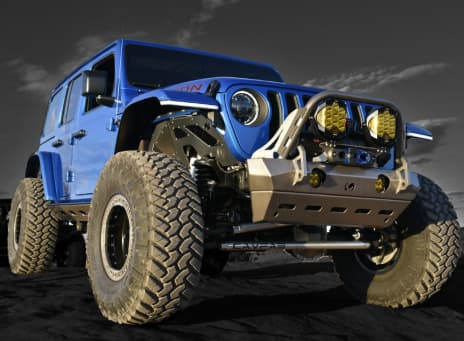
There is no official formula for getting ducked, and that is part of the fun. Some Jeep owners leave ducks because they like a color or overall look. Others notice the way a build sits, how the parts work together, or the signs that the Jeep is set up for real use.
What usually stands out is intention. A Jeep feels duck-worthy when it looks like the owner made deliberate choices instead of just bolting random parts on.
Capability Over Cosmetics
Capability gets noticed, but it is not the only thing that does. Plenty of Jeeps get ducked because they are clean, creative, or just plain fun. Still, other Jeep owners tend to pick up on builds that look ready to work, not just pose.
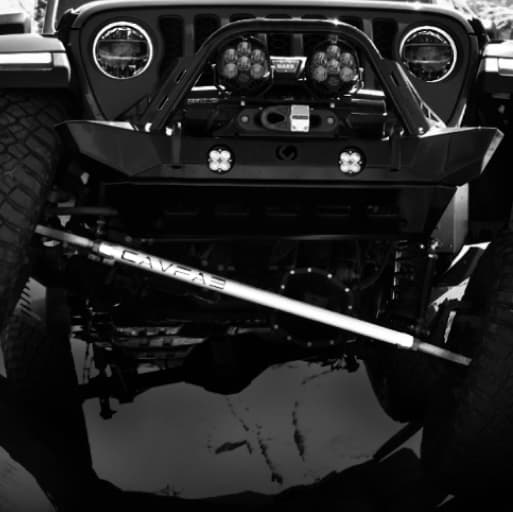
That can mean stronger steering or suspension that matches the rest of the setup. Functional upgrades like the Jeep suspension signal that the build was planned around how the Jeep drives and holds up, not just how it looks parked.
Balanced, Purposeful Builds
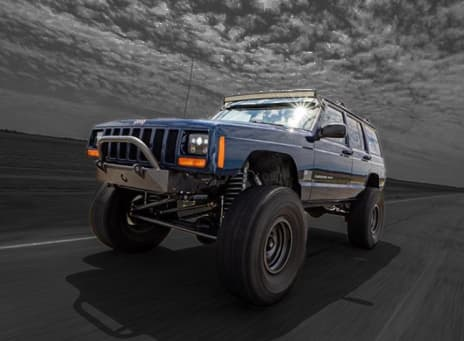
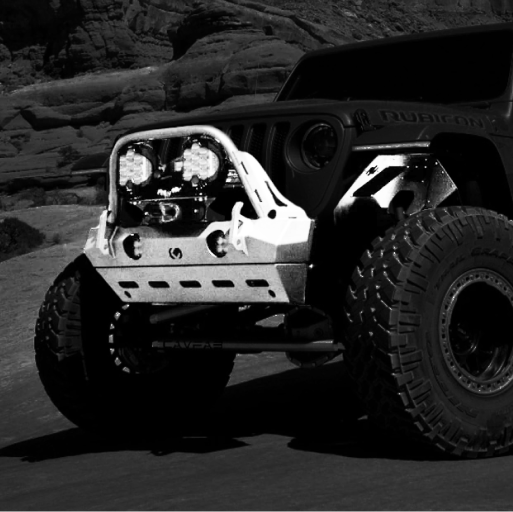
A lot of duck-worthy Jeeps have one thing in common: the build feels cohesive. The stance makes sense, the tire size fits the setup, and the protection or accessories don't feel out of place.
That doesn't mean every Jeep needs to be trail-built. But it does mean the parts have to work together. A street-focused Jeep can feel just as intentional as a hard-use rig when the owner has clearly thought through the setup.

Attention to Detail
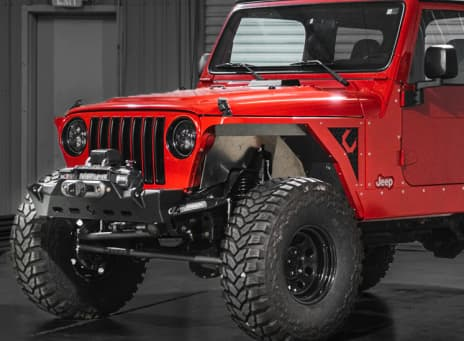
Details are what separate a memorable Jeep from one that just has random parts on it. Fitment, hardware choices, clean installation, and parts that suit the build all stand out fast to people who know what they are looking at.
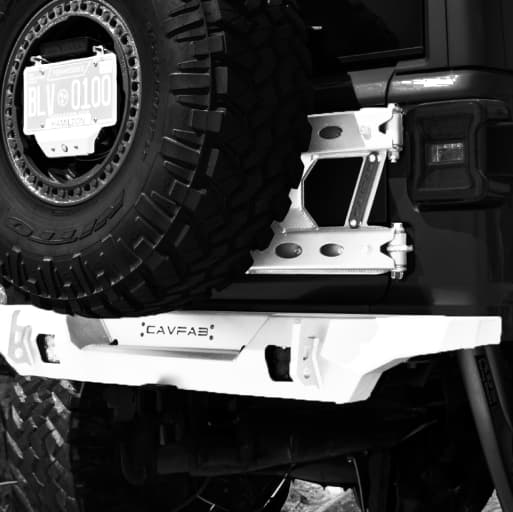
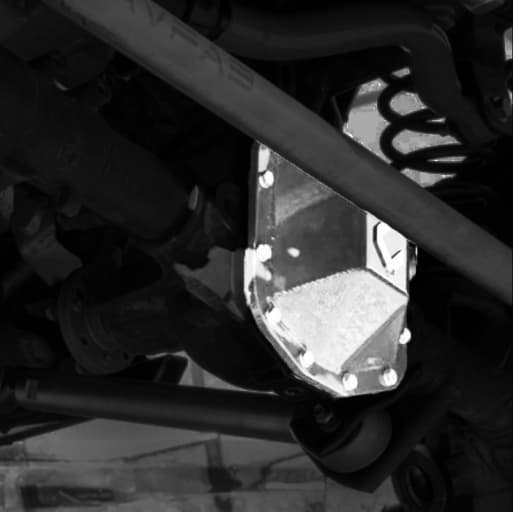
That is also where quality upgrades start to speak for themselves. Parts like Jeep control arms, Jeep track bars, and Jeep armor add real function, but they also show that the owner paid attention to how the Jeep is put together. That kind of care gets noticed.
Conclusion
Getting ducked usually means another Jeep owner noticed something about your rig and wanted to leave a quick sign of appreciation.
Sometimes that is the color, the theme, or the overall personality of the build. Sometimes it is the stance, the protection, or the way the parts work together. Either way, it is a small piece of Jeep culture that signals recognition.
It can also push the build in a better direction. Once you start thinking about what other Jeep owners notice, it makes sense to focus on upgrades that do more than fill space. Stronger steering and real protection all make a Jeep more capable and more intentional.
At CavFab, we build Jeep parts that are made in the USA and designed for Jeep owners who want function behind the look. Build it with purpose, wheel it the way it was meant to be used, and give people a reason to duck it the next time you're in town.
Ready to learn more about Jeeps? Check out these articles: