



Jeep Owners Manual
A Jeep owners manual is useful, but it only tells part of the story. It shows you how your Jeep was designed to work from the factory, not how a built rig behaves once you add tire, weight, articulation, and real trail abuse.
That distinction matters more than most people realize. The manual gives you the baseline for operation and safety. But real ownership starts when you understand which parts of that baseline still apply and which ones stop helping once your Jeep leaves stock form behind.
What this article covers:
- What Is a Jeep Owner's Manual?
- What's Included in a Jeep Owner's Manual
- Where to Find Your Jeep Owner's Manual
- Upgrading Beyond Factory Specs
What Is a Jeep Owner's Manual?
A Jeep owner's manual is the official manufacturer's guide that explains how to operate, maintain, and troubleshoot the vehicle in its factory configuration.
It covers the systems that keep the vehicle functional and safe, including steering, braking, drivetrain operation, controls, scheduled service, and warning indicators. It also tells you how the vehicle is intended to behave when everything is still within factory parameters.
What's Included in a Jeep Owner's Manual
A factory manual is broad by design. It needs to cover daily use, safety compliance, and standard service without turning into a full technician's handbook. For most Jeep owners, that means it answers the obvious questions and leaves the harder ones sitting in the garage with the toolbox.
Controls and Interior Features
This section explains the switches, buttons, displays, and settings you use every day. It covers climate control, infotainment, gauge cluster functions, drive modes, transfer case operation, traction settings, and other interior systems that matter both on the street and off it.

Maintenance Schedules
The maintenance section lays out what to inspect, replace, or service at specific mileage and time intervals. Oil, coolant, filters, brake fluid, gear oil, spark plugs, and other routine items live here for a reason.
Warning Lights and Diagnostics
The warning light section helps you translate dashboard symbols into something useful before panic sets in. It covers check engine lights, Anti-lock Braking System (ABS) warnings, traction control indicators, oil pressure alerts, battery faults, and the rest of the glowing alphabet soup.
It does a decent job of telling you what system is complaining. It does not do much to explain why that system started complaining.
4x4 and Off-Road Features
This is the section most Jeep owners flip to first. It explains transfer case modes, locker operation where applicable, traction control behavior, sway bar disconnect functions, and the intended use of the vehicle's four-wheel-drive systems.
It also includes the most Jeep-specific material in the manual, which makes it one of the most useful sections for trail prep.
Where to Find Your Jeep Owner's Manual
A lot of owners know they have a manual somewhere. Fewer know where to find it when they actually need it.
Printed Copy
The printed manual is the version that comes with the vehicle, usually in the glove box. It's accessible without cell service and works fine when you are parked at a trailhead trying to confirm a spec or a procedure.
Its downside is speed. Paper manuals are not exactly quick to search, especially when your hands are dirty, and you already know the answer is buried somewhere between safety warnings and fuse diagrams.

Digital PDF Versions
Digital PDF manuals solve that problem fast. You can search terms instantly, zoom in on diagrams, and keep the file on your phone, tablet, or shop computer without digging through a glove box.
Digital copies are more practical for troubleshooting and building planning. If you are comparing stock specs against upgraded components, a searchable manual is a lot more useful than flipping pages like it's 2007.
Official Jeep Resources
Jeep also provides official owner resources online for many model years. These are useful because they can include updated documents, supplemental materials, service references, and easier access than whatever paper copy came with the vehicle.
Upgrading Beyond Factory Specs
Upgrades solve real Jeep limitations. The best ones improve control, protection, durability, and recovery confidence once the Jeep starts seeing harder use.
If you upgrade in the right order, the Jeep feels more predictable, takes hits better, and holds up longer.
Suspension And Steering
Suspension and steering are usually the first places where factory limitations show up. Once you add tire size, change ride height, or spend more time off-road, the front end has to deal with more movement than stock parts were designed around.
That is where stronger steering and properly matched Jeep suspension components earn their keep.
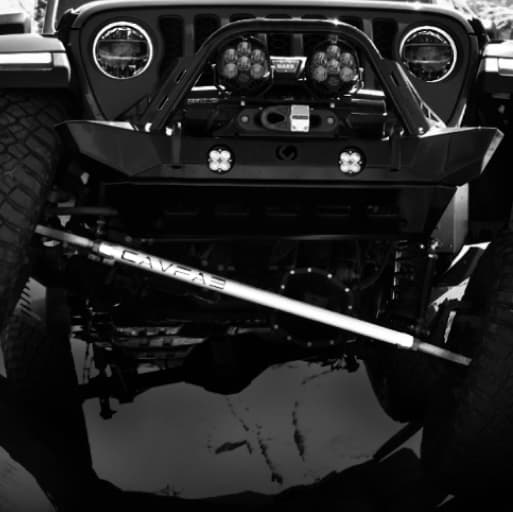
Better control arms, track bars, steering links, and related hardware help keep alignment more consistent, reduce unwanted movement, and give the Jeep a more controlled feel when the terrain gets rough. A Jeep that tracks cleanly and responds predictably is easier to drive and a lot easier to trust.

Bumpers And Recovery Protection
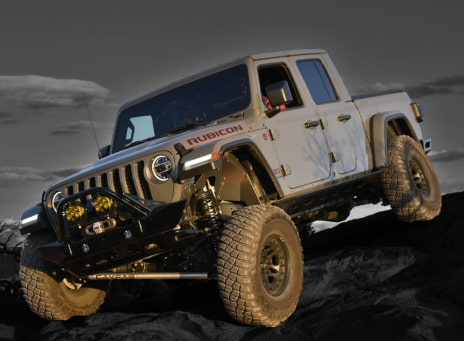
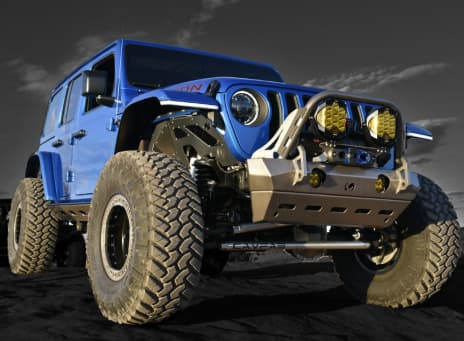
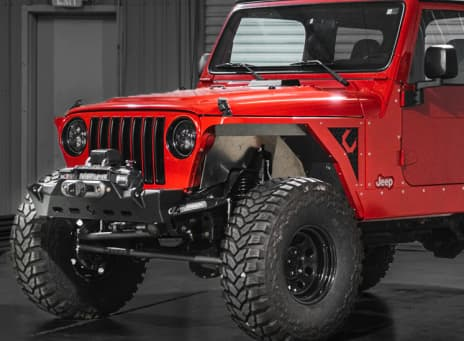
Factory bumpers are good for light use, but they have clear limits once the Jeep starts seeing trail contact, recovery loads, or approach and departure situations where clearance matters.
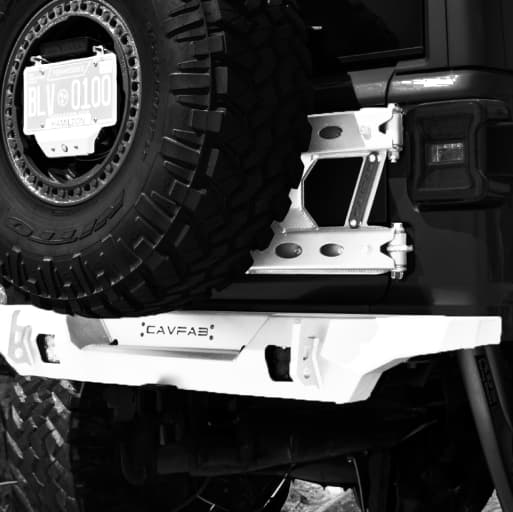
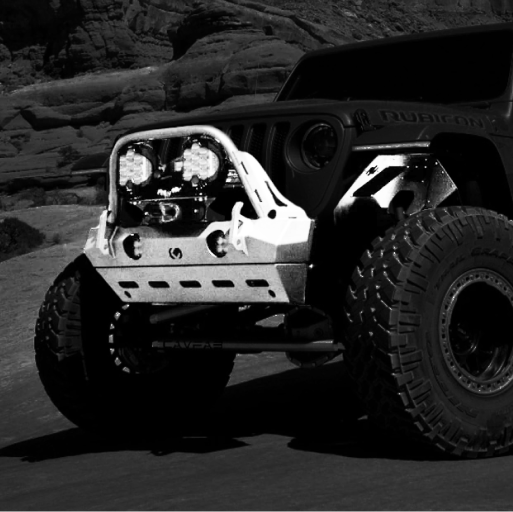
Well-built Jeep bumpers improve protection and usable clearance where it counts. Stronger Jeep front bumpers help with approach protection and recovery function, while properly built Jeep rear bumpers add protection where departure contact and trail damage tend to show up.
Armor For The Parts You Can't Afford To Smash
Once you start dragging the belly or dropping onto rough terrain, underbody protection stops being optional. The expensive parts underneath the Jeep do not care whether the contact was planned or not.
That is why Jeep armor and Jeep skid plates matter so much on a real trail build. They protect vulnerable components, reduce damage risk, and let the Jeep take contact without turning every obstacle into a repair bill.
Protection also gives you more confidence to drive the obstacle correctly instead of hesitating because you know something important is hanging low.
Chassis And Axle Support
As builds get heavier and traction increases, more force moves through the axle housings, brackets, joints, and mounting points. This is where a Jeep can still feel fine on the street while quietly wearing parts out faster than expected.
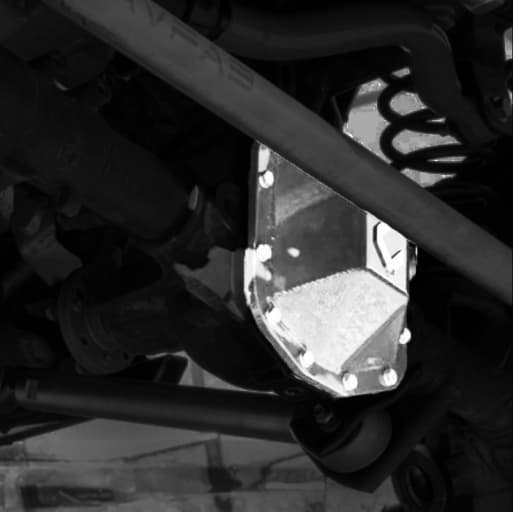
Supporting components like Jeep control arms, Jeep track bars, and protection around the Jeep differential help the Jeep handle load more consistently. Even something as simple as a stronger diff cover makes sense once you have seen how easily a stock cover can get punished off-road.
These parts do not always get the attention bumpers do, but they matter just as much for durability.
Conclusion
The owner's manual still matters. It gives you the factory baseline for operation, service, and safety, and every Jeep owner should know how to use it.
But once your build starts carrying more weight, running tougher trails, or moving beyond stock geometry, the manual stops answering the questions that actually affect control and confidence on the trail.
That is where better parts choices start to matter. Stronger steering, better suspension support, real protection, and well-built recovery-ready components all help close the gap between factory assumptions and real use.
At CavFab, we build Jeep parts for that gap. Our parts are made in the USA and designed for Jeep owners who need better fitment and durability when the trail stops being easy. Start with the manual, build for how you actually use your Jeep, and make upgrades that keep it ready for the next hit.
Ready to learn more about Jeeps? Check out these articles: