


Best Track Bar for Jeep JK
You can build a JK with great tires, good shocks, and solid axles, and still end up chasing a vague steering feel.
That usually happens when lateral axle control gets overlooked. A track bar does not get much attention until it starts affecting everything else.
Once you start comparing options and setups, the question becomes less about brands and more about geometry. That's where finding the best track bar for Jeep JK really starts to matter.
Below, we break down how track bars actually work on a JK, what separates a solid setup from a frustrating one, and where steering and supporting geometry make the biggest difference.
What this article covers:
- What Does a Track Bar Do for Your Jeep JK?
- How to Choose the Right Track Bar
- Do You Need a Front or Rear Track Bar Upgrade First?
- How Steering and Brackets Support Track Bar Performance
- Why Bracket Strength Matters More Than Most People Think
- How Build Weight and Armor Affect Track Bar Load
- When Should You Upgrade a Jeep JK Track Bar?
What Does a Track Bar Do for Your Jeep JK?
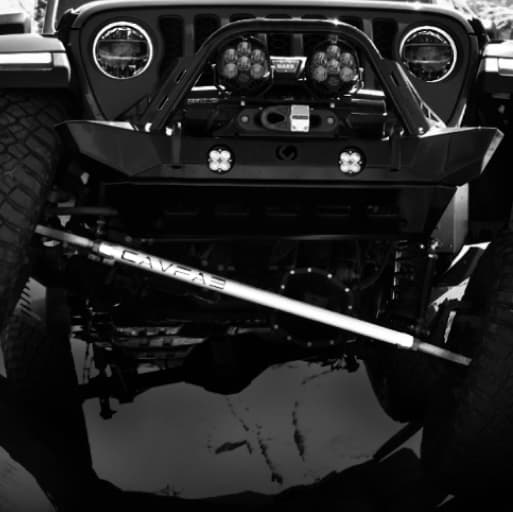
A track bar locates the axle side to side under the frame. As the suspension compresses and droops, the bar swings through an arc that controls where the axle sits relative to the chassis.
On a stock JK, factory geometry keeps this movement minimal. Once you add lift, that relationship changes. The axle shifts laterally, steering angles change, and the Jeep can feel vague or unsettled even on smooth pavement.
They directly affect axle centering, steering feel, and overall stability, especially after suspension modifications.

How Does Track Bar Geometry Affect Steering?
Track bar geometry is inseparable from steering geometry. Both the track bar and the drag link move through arcs as the suspension cycles.
When those arcs are not parallel, the axle shifts side to side as it moves up and down.
That movement shows up as bump steer, wandering, or inconsistent steering return. Many builders chasing alignment issues or asking why does my Jeep steering wheel shake eventually discover the problem is geometry, not loose hardware.
Correct geometry keeps the axle centered throughout suspension travel. Poor geometry forces the steering system to compensate, which accelerates wear and makes the Jeep unpredictable on and off road.
How to Choose the Right Track Bar
Choosing the right track bar comes down to matching the component to your suspension setup and how you actually use your JK.
Geometry, strength, and joint behavior all matter more than labels or price points.
Match the Track Bar to Your Lift Height
Lift height determines how far the axle shifts from the center. Adjustable track bars let you re-center the axle properly after lifting, rather than forcing alignment through steering correction.
Learning how to adjust track bar jeep jk setups correctly matters here. Adjustment should always be done at ride height with the Jeep settled on its own weight.
Adjusting at full droop introduces preload and leads to premature joint wear that shows up later as noise or wandering.

Choose Strength That Matches Real Use
Track bars live under constant side load. Thin tubing or weak housings fatigue quickly once larger tires and trail use enter the picture.
Thick-wall DOM tubing resists bending, but stiffness matters just as much as raw strength. A bar that flexes under load still allows axle movement even if it never visibly bends, which is why strength numbers alone never tell the whole story.
Pick a Joint Style You Can Maintain
Joint choice affects how the bar behaves over time. Rubber isolates vibration but allows deflection. Mechanical joints offer precision but require periodic service. Hybrid joints balance both characteristics.
The right choice depends on how often you wheel, how much road time the Jeep sees, and how comfortable you are staying ahead of maintenance.
Confirm Compatibility With Steering Geometry
A strong track bar cannot fix bad steering angles. The bar must work with the drag link, not against it. Parallel angles reduce bump steer and help the Jeep track straight under compression.
This system-level thinking is what separates stable builds from ones that constantly feel slightly off.
Do You Need a Front or Rear Track Bar Upgrade First?
Front track bars affect steering directly. Any deflection or movement here shows up immediately at the wheel.
Rear track bars still matter, but issues tend to present as rear-end steer or body shift during braking and throttle changes.
Many builders address the front first, then upgrade the rear as lift height or trail use increases.
Both bars should be evaluated together on heavily modified JKs, especially when axle width or suspension travel changes significantly.

How Steering and Brackets Support Track Bar Performance
Track bars do not operate in isolation. Steering systems, brackets, and axle mounts all influence how well the bar can do its job.
Upgrading the steering reduces the lateral load transferred to the track bar.
Systems like the 1 Ton Bolt-On Steering System for JK/JKU are built from SOLID 1045 steel with CNC-machined ends and precision MIG-welded construction to minimize flex under load.
You can see how steering and geometry components work together in the Jeep suspension, where parts are designed to support suspension behavior rather than mask geometry problems.
Why Bracket Strength Matters More Than Most People Think
Many track bar issues start at the mounts. Factory brackets flex under load, especially with larger tires and heavier builds. Once brackets flex, alignment changes even if the bar itself is strong.
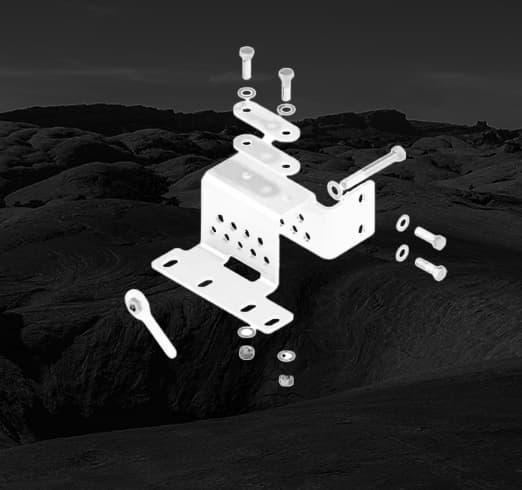
CNC laser-cut steel bracket kits hold geometry far better under repeated side loads. Reinforcing mounting points prevents axle walk and keeps steering angles consistent through suspension travel.
This is why experienced builders treat track bars, brackets, and steering as a system instead of chasing individual components.
How Build Weight and Armor Affect Track Bar Load
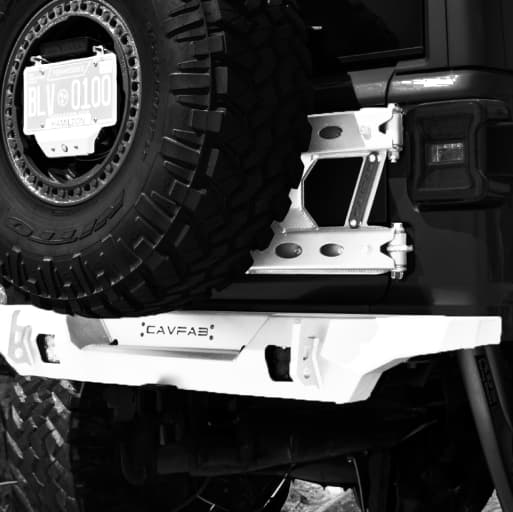
Every added pound increases lateral load. Steel bumpers, tire carriers, recovery gear, and armor all change how the suspension reacts under braking and articulation.
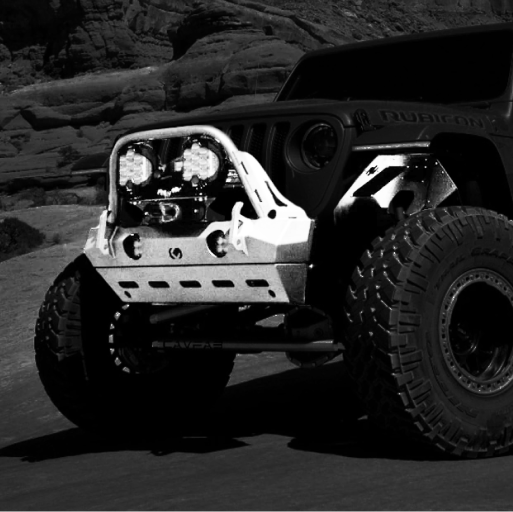
Our jeep bumpers addresses steering and geometry at the same time. Added mass amplifies deflection and exposes weak points that were not noticeable on lighter builds.
This approach reflects how seasoned builders think about the best Jeep JK upgrades. Function comes first, and geometry must keep up as the build evolves.

When Should You Upgrade a Jeep JK Track Bar?
Not every JK needs an immediate track bar upgrade. Common signs that it is time include visible axle offset, clunking at the mounts, wandering steering, and alignment that never quite feels right.
Lift height over 2 inches accelerates wear. Larger tires magnify it. Hard trail use finishes the job. Addressing these issues early prevents secondary wear in steering and suspension components.
Support Long-Term Stability With Builder-Grade Components
Here at CavFab, we focus on components that support suspension behavior through geometry, load control, and stiffness. Our DIY / builder parts collection exists for shops and home builders who want control over bracket placement and reinforcement without guesswork.
All components are machined and fabricated in-house using American-sourced steel and aluminum. Precision fitment matters when geometry is on the line.
You can also explore additional Jeep Wrangler parts that support JK builds across steering, armor, and fabrication without compromising function.
Conclusion
Finding the best track bar starts with understanding geometry, not chasing marketing claims.
The right bar centers the axle correctly, matches lift height, and works with steering geometry instead of against it. Strength matters, but stiffness, joint control, and mounting integrity matter just as much.
We build CavFab components for JK owners who actually use their rigs.
Founded in mid-2016 in Wildwood, Georgia, and operating out of a 12,000-square-foot facility since 2018, we focus on CNC-machined steering systems, CNC laser-cut brackets, and precision MIG-welded fabrication that supports real-world performance.
If you are refining your setup, explore CavFab for Jeep parts that keep your Jeep geometry honest and steering predictable – on-road and on-trail.
Ready to learn more about Jeep JK upgrades? Check out these articles: