


Best Jeep JK Upgrades
If you're chasing the best Jeep JK upgrades, chances are your Jeep has already told you where it's weak. Maybe it wanders on the highway, feels vague on descents, or needs constant attention after every hard weekend.
As tire size and vehicle weight increase, the JK's factory steering, suspension geometry, and driveline components begin to reach their limits.
The difference between a JK that stays tight for years and one that becomes a constant project isn't how much you modify it; it's what you upgrade first. Understanding where load and stress actually live is what separates dependable builds from expensive learning curves.
What this article covers:
- Heavy-Duty Steering Upgrades
- Suspension Upgrades
- Axle and Drivetrain Upgrades
- Armor and Protection Upgrades
- Wheels and Tires
- Brake Upgrades
- How to Prioritize Jeep JK Upgrades
Heavy-Duty Steering Upgrades
Steering is the top Jeep JK upgrade because every other modification feeds load into it. Larger tires increase leverage, added traction increases shock load, and lift height alters angles that magnify flex.
When steering components deflect, alignment no longer holds, and control degrades precisely when precision matters most.
What Changes When You Modify This System
Larger tires increase leverage at the knuckle, added traction increases shock load through the linkage, and lift height alters steering angles in ways that magnify flex.
These changes compound quickly, especially when tire weight and offset move the load farther from the steering axis.
Where Factory Components Fall Short
Factory JK steering weaknesses typically appear in tie-rod stiffness, joint wear, and cumulative flex across multiple components.
Each point may move only slightly, but together they create noticeable steering vagueness, kickback, and toe change under load. Impacts that should feel dampened instead transmit sharply through the wheel.

What Upgrading This System Actually Improves
A heavy-duty steering system addresses these issues by increasing stiffness where load concentrates and reducing deflection under compression and impact.
Solid bar construction, correctly sized joints, and geometry that accounts for real tire leverage all contribute to predictable handling and alignment stability over time.
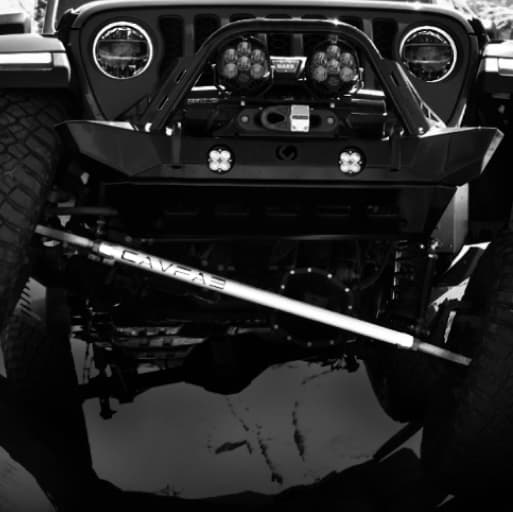
One example of a bolt-on solution designed for these conditions is the 1 Ton Bolt-On Steering System for JK/JKU, which replaces factory linkage with a higher-capacity assembly while maintaining straightforward installation.
Similar design principles apply across platforms, as seen in systems like the 2.5 Ton Bolt-On Steering System for JL/JT and the CROSS-OVER STEERING XJ/TJ/ZJ/MJ/LJ Kit.
Steering and suspension are often evaluated together because both directly influence control and alignment, which is why many builders review options within broader categories like Jeep suspension.
Common Problems and How They Show Up
Steering instability often shows up as vibration or shimmy. If you are asking why does my jeep steering wheel shake, the cause is usually cumulative rather than singular.
Tire balance, toe settings, worn joints, loose track bar hardware, and bracket wear all stack together. Addressing stiffness and geometry as a system typically resolves symptoms more effectively than replacing one isolated component.
Suspension Upgrades
Suspension upgrades improve ride quality and traction only when geometry remains correct.
Lift height alone does not guarantee better performance and can introduce poor control arm angles, altered roll center behavior, and mismatched track bar and drag link geometry.

What Changes When You Modify This System
Raising ride height alters control arm angles, changes roll center location, and affects how the axle moves through its travel. These changes influence steering feel, tire wear, and how the Jeep reacts under braking, acceleration, and uneven terrain.
Where Factory Components Fall Short
Factory suspension geometry is tuned for stock ride height and tire size. Once the lift is added, control arms may no longer maintain proper caster or pinion angle, and the lateral axle position can shift if track bars are not corrected. These issues compound as suspension travel increases.
What Upgrading This System Actually Improves
Proper suspension upgrades restore geometry, manage axle movement, and allow shocks to do their job effectively rather than compensating for poor angles.
Control arms influence caster, pinion angle, and fore-aft axle movement. Track bars control lateral axle position and strongly affect steering feel.
Shocks manage energy and determine whether impacts feel sharp or controlled. These elements must work together; improving one while ignoring the others often makes the Jeep feel worse, not better.
Common Problems and How They Show Up
Track bar issues rarely announce themselves clearly. Instead, the Jeep may feel unsettled on the highway, pull slightly to one side after a lift, or require constant steering correction even on smooth pavement.
On the trail, the front axle can feel like it shifts side to side when one tire loads up, especially during off-camber climbs or sharp transitions.
These symptoms usually trace back to axle position and geometry rather than a single loose component.
Builders often search for the best track bar for Jeep JK after experiencing this behavior, but suitability depends on joint design, bracket strength, and how the bar moves through the suspension cycle.
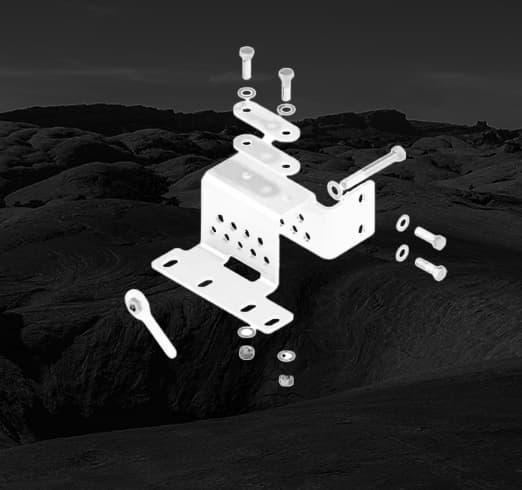
Supporting brackets and structure play a major role in long-term suspension accuracy. Reinforcing attachment points and maintaining proper geometry over time is why many builders incorporate solutions from DIY / builder parts collections designed to reinforce mounting points over time.

Axle and Drivetrain Upgrades
Axles and drivetrain components are where traction finally turns into stress. As tire size and grip increase, torque loads rise dramatically, especially during low-speed crawling, where driveline shock is highest.
What Changes When You Modify This System
Larger tires increase effective torque demand throughout the drivetrain. Lockers, lower gearing, and increased traction further concentrate load at axle shafts, joints, and gears, especially during slow, high-resistance maneuvers.
Where Factory Components Fall Short
Factory axle shafts, universal joints, and gearing can tolerate moderate increases in load, but sustained stress exposes weak links. Incorrect gearing forces the drivetrain to work harder, increasing heat and reducing control. Poor pinion angles introduce vibration that accelerates wear.
What Upgrading This System Actually Improves
Upgraded drivetrain components restore strength margins and improve torque management. Proper gearing improves crawl control and reduces heat buildup, while reinforced axles and joints better tolerate shock loads during hard use.
Common Problems and How They Show Up
Axle housings themselves also take abuse. Repeated impacts can bend tubes or damage flanges, affecting bearing life and gear alignment.
Builders planning reinforcement or protection often start with drivetrain-focused categories like a Jeep differential to match gearing, protection, and service parts to their terrain.
Armor and Protection Upgrades
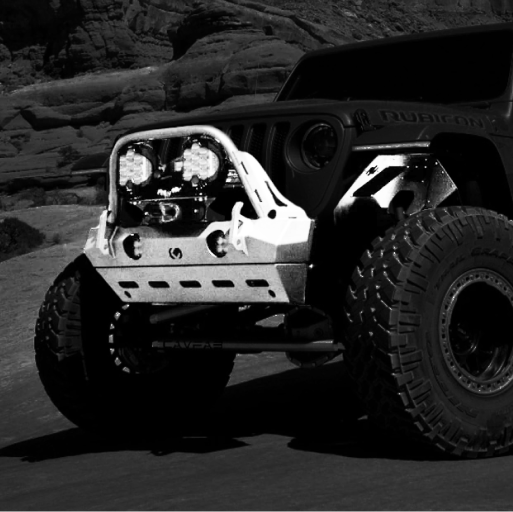
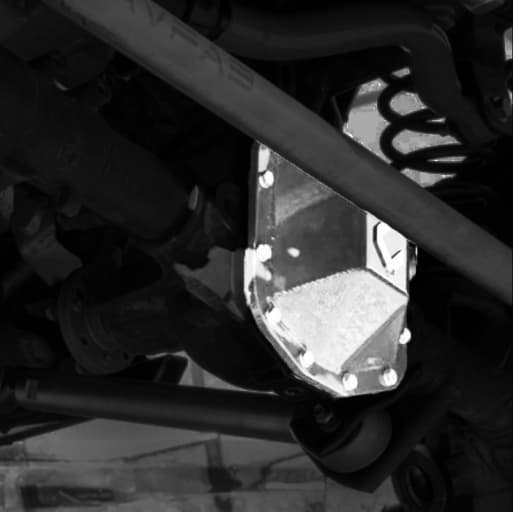
Armor exists to prevent trip-ending damage, not to look aggressive. Skid plates, differential protection, and steering guards reduce the likelihood that a single impact will disable the vehicle.
What Changes When You Modify This System
As clearance increases and trails become more technical, the Jeep encounters harder contact points during breakover, ledge climbs, and off-camber situations. Vehicle weight and momentum increase impact severity.
Where Factory Components Fall Short
Factory underbody protection is minimal and not designed for repeated hard contact. Oil pans, steering components, and brackets are vulnerable once the Jeep is used aggressively off-road.
What Upgrading This System Actually Improves
Good armor spreads load across mounting points and protects critical systems without introducing new stress risers. Recovery points also belong in this category, allowing controlled extraction without damaging the frame.
Common Problems and How They Show Up
Trail damage often occurs at predictable contact points. Without protection, impacts can crush oil pans, damage steering components, or bend brackets. JK owners evaluating protection that supports recovery often reference categories like Jeep bumpers JK, with broader options available through Jeep armor.
Wheels and Tires
Tires influence nearly every aspect of JK performance. They affect traction, effective gearing, steering effort, braking distance, and suspension response.
What Changes When You Modify This System
Larger tires increase rotating mass and leverage, altering braking demand, steering load, and suspension behavior. Wheel offset further affects scrub radius and bearing load.
Where Factory Components Fall Short
Factory steering, brakes, and suspension are tuned for lighter tires. As size increases, those systems are pushed beyond their original assumptions.
What Upgrading This System Actually Improves
Proper tire selection improves traction and clearance, while appropriate wheel fitment helps manage steering effort and component wear.
Common Problems and How They Show Up
Clearance solutions such as Jeep Wrangler JK fenders allow proper suspension cycling without body interference. Clearance without geometry correction, however, simply relocates problems rather than solving them.

Brake Upgrades
Brake upgrades become necessary when added mass and tire size push the JK beyond what the factory braking system was designed to manage consistently.
Larger tires, heavier wheels, armor, and gear all increase the amount of energy the brakes must control, especially when speed and elevation changes are involved.
What Changes When You Modify This System
As tire size increases, rotational inertia rises significantly. Heavier tires take more force to slow down, and that force has to be converted into heat by the braking system.
Added armor, bumpers, and recovery gear increase overall vehicle weight, which further raises braking demand during both highway stops and long downhill descents.
These changes are subtle at first. Around town, the Jeep may still stop fine. The difference shows up when braking repeatedly, braking downhill, or braking at speed, situations where heat buildup becomes the limiting factor.
Where Factory Components Fall Short
Factory JK brakes are designed around stock tire size and vehicle weight. Once those assumptions change, the system can struggle to shed heat fast enough during sustained use.
Heat saturation reduces friction efficiency, which means the pedal may feel firm, but stopping power drops off.
This is most noticeable on long mountain descents, towing, or back-to-back downhill trail sections. In those conditions, factory brakes may reach their thermal limit before the driver expects them to.
What Upgrading This System Actually Improves
Upgraded brakes increase thermal capacity and heat dissipation, allowing the system to maintain consistent friction over repeated stops.
Larger rotors, improved pad compounds, and better cooling all contribute to more predictable braking behavior.
The benefit is not just shorter stopping distance in a single panic stop, but repeatability. Brakes that behave the same at the bottom of a descent as they did at the top inspire confidence and reduce driver fatigue.

Common Problems and How They Show Up
When braking becomes a limiting factor, the symptoms are usually progressive. The pedal may feel the same, but stopping distances increase.
The Jeep may require earlier braking than expected, or feel less stable when slowing on steep grades. In more severe cases, fade becomes noticeable, especially in mountainous terrain or when towing.
These signs typically appear after other upgrades are already in place, which is why brakes are often addressed later in the build. When they do show up, however, they signal a real safety and control issue, not just a performance preference.
How to Prioritize Jeep JK Upgrades
Most successful JK builds follow a clear order, strengthening the systems that affect control and reliability first before adding weight, traction, or complexity. Here's what that looks like:
- Start with steering and suspension geometry, because these systems control how the Jeep tracks at speed, responds to obstacles, and absorbs impacts both on the road and on the trail.
- Address alignment, axle centering, and steering stiffness before increasing tire size, since added leverage and traction magnify any existing flex or geometry issues.
- Add protection next, focusing on skid plates, steering protection, and recovery points that prevent trip-ending damage once the Jeep is used harder off-road.
- Increase tire size and clearance only after steering and suspension are capable of handling the added load without deflection or instability.
- Reinforce axles and drivetrain components as traction, tire size, and vehicle weight increase, especially if the Jeep sees frequent low-speed crawling or sustained load.
- Evaluate braking capacity once tires, armor, and gear add significant mass, particularly if the Jeep is driven in mountainous terrain or used for towing.
Build in stages and re-evaluate after each change, since upgrades that work well together reduce wear and prevent paying twice to fix the same problem.
Conclusion
The best jeep jk upgrades aren't about doing everything at once. They're about doing the right things first.
Steering that stays tight, suspension geometry that holds alignment, protection that prevents trail damage, and drivetrain strength that keeps traction from turning into breakage.
When those systems are solid, the rest of the build works the way it should.
That function-first mindset is what separates JKs that are fun to drive from JKs that are always being fixed.
If you're ready to stop guessing and start building, we make CavFab Jeep parts for JK owners who actually use their rigs. Build it right the first time, and your Jeep spends more time on the trail and less time on the jack stands.
Ready to learn more? Check out these articles: