


Jeep vs Toyota Reliability
If you spend any time in off-road forums or standing around a trailhead parking lot, you've probably heard this debate before. Jeep or Toyota. It's one of the oldest rivalries in the off-road world, and everyone seems to have a strong opinion about it.
We build performance parts for Jeep off-road builds, so we're not exactly neutral. But we also believe in giving you the real picture, not just the version that sells more bumpers.
Jeep vs Toyota reliability comes down to more than brand loyalty, and the data tells a more nuanced story than either side usually admits. So let's dig into what that data actually says, and what it means for you if you're trying to pick your next rig.
What this article covers:
- Which Is More Reliable: Jeep or Toyota?
- Benefits of Choosing a Jeep
- Benefits of Choosing a Toyota
- Jeep vs Toyota Common Problems
- Jeep vs Toyota: Which Should You Choose?
Which Is More Reliable: Jeep or Toyota?
Toyota edges out Jeep on paper. Independent reliability data puts Toyota's average score a good bit higher than Jeep's, largely thanks to fewer recalls, lower annual repair costs, and a wider range of models that score "good" or "excellent" across the board. Toyota also holds its value better and tends to need fewer trips to the shop over a typical ownership period.
That said, the gap isn't as wide as the headline numbers might suggest, especially once you get down to the specific models people actually cross-shop. The Jeep Wrangler and Toyota Tacoma, for example, land within a couple of points of each other, and the newest Wrangler model years have scored higher than the newest Tacoma years in independent testing.
So while Toyota wins the reliability race on average, Jeep isn't far behind, and the "best" choice really depends on which specific model, model year, and use case you're comparing.

Benefits of Choosing a Jeep
Jeep didn't earn its off-road reputation by accident. Here's what makes it a strong contender if you're serious about the trail:
Unmatched Off-Road Architecture
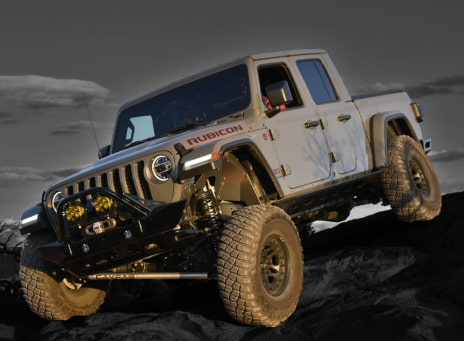
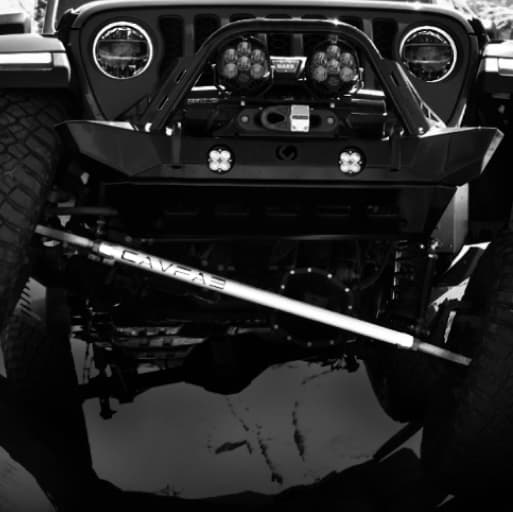
Jeep sticks with solid front and rear axles on the Wrangler and Gladiator, and that's a big deal once you leave the pavement.
Solid axles keep more of the tire in contact with uneven terrain than an independent suspension setup, which translates to better articulation, more traction, and fewer moments where you're spinning a wheel in the air over a rock ledge. That axle setup is a huge part of why Jeeps punch above their weight on technical trails.
A Deep Aftermarket Ecosystem
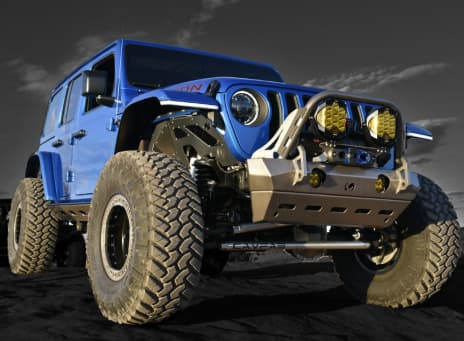
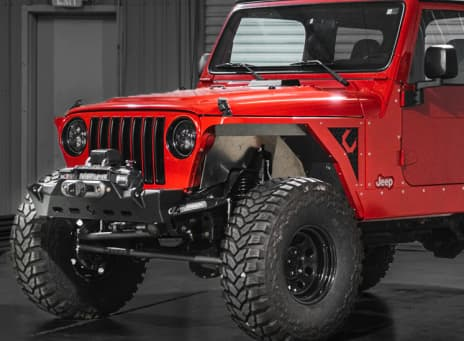
No other off-road brand comes close to the sheer volume of aftermarket support available for a Jeep. Whether you're running a Wrangler JL, a Gladiator, or a classic YJ, there's a bumper, skid plate, or suspension component built specifically for it.
After years in the industry creating Jeep armor and other kits, we've seen firsthand how this customization culture turns a stock Jeep into a genuinely capable trail rig, and how it lets owners fix or upgrade the exact weak points that show up in reliability data, like steering and suspension wear.
Built to Take a Hit and Keep Going
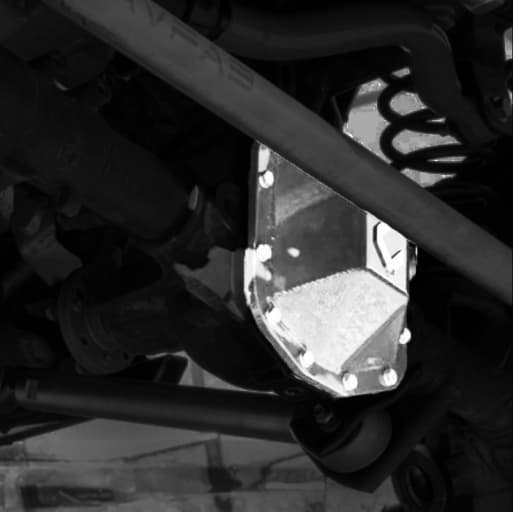
A Jeep's short wheelbase and tight approach and departure angles mean it can squeeze through gaps and climb obstacles that stop longer vehicles cold. After extensively testing this product line on our own rigs out on real trails, we've found that a well-armored Wrangler shrugs off rock strikes and stream crossings that would leave a stock underbody in rough shape.
Pair a Jeep's natural agility with the right skid plates and rock sliders, and you get a vehicle that's genuinely hard to stop.

Benefits of Choosing a Toyota
Toyota's reputation comes from a different place, but it's just as well-earned. Here's where it really shines:
Lower Cost of Ownership
Toyota's biggest advantage shows up in your wallet. Annual repair costs for Toyota models run noticeably lower than Jeep's average, and Toyota also carries far fewer recalls per model. If your priority is minimizing surprise repair bills over the life of the vehicle, Toyota has a clear edge here.
A Smoother Daily Driver
Toyota's independent front suspension setup, found on models like the 4Runner and Tacoma, gives up a bit of articulation compared to a solid axle, but it pays that back with a noticeably smoother ride on the highway and around town. For anyone who's using their rig as a daily driver and only heading off-road on weekends, that comfort difference matters.
Strong Resale Value
Toyota vehicles consistently hold their value better than Jeep models over a five-year period, sometimes by a wide margin. If you like to trade up every few years or you're thinking about the total cost of ownership rather than just the sticker price, that retained value adds up in your favor.
Want to learn more about specific models? Read our guide on Jeep Gladiator vs Toyota Tacoma.

Jeep vs Toyota Common Problems
Every vehicle has its quirks, and Jeep and Toyota are no exception. Jeep's most common owner complaints center on the electrical system and steering, with the Wrangler in particular racking up a high number of steering-related reports tied to its solid front axle setup.
Jeep also tends to see more recalls overall, though many of those are minor rather than "stop driving" issues.
Toyota's complaint pattern looks different. Its most frequent issues involve the power train and service brakes, and while Toyota's overall recall count is lower, some of its safety-related complaints, including airbags, carry a higher rate of crash involvement in the data.
Neither brand is problem-free, but the nature of the problems differs. Jeep's issues tend to concentrate in the systems you'd expect from a rugged, solid-axle 4x4 that gets driven hard off-road, while Toyota's issues show up more in everyday mechanical wear.
Jeep vs Toyota: Which Should You Choose?
For off-road capability paired with the freedom to build exactly the rig you want, we'd point you toward a Jeep. Yes, Toyota holds a reliability edge in the raw numbers, but a lot of that gap comes down to repair costs and recall counts rather than the vehicle failing you on the trail.
And here's the part the spreadsheets don't capture: a Jeep's reliability on the trail improves dramatically once you address its known weak points with the right armor and Jeep suspension upgrades, something you can't really do to close Toyota's comfort or refinement gap in reverse.
If your top priority is the lowest possible cost of ownership and you rarely leave pavement, Toyota is a perfectly reasonable pick. But if you want a vehicle built around going anywhere, one that rewards you for building it up rather than just driving it stock, the Jeep platform is hard to beat.
Between the Wrangler's short wheelbase, its solid axles, and the depth of parts support behind it, a well-built Jeep can match or exceed a Toyota's trail dependability while giving you a far more personal, capable rig.

Conclusion
Jeep vs Toyota reliability isn't a simple win or loss. Toyota takes the edge in raw cost and recall data, while Jeep answers back with trail-proven architecture and an aftermarket ecosystem that lets you fix its weak spots and build a rig that's truly yours. Whichever way you lean, the real story of Jeep reliability gets written after you drive it off the lot, not before.
At CavFab, we create the bumpers, armor, and chassis parts that help Jeep owners close that gap and get the most dependable, capable rig possible out on the trail. Check out our lineup of Jeep parts, and let's build your next adventure together.