


Jeep Sahara vs Wrangler
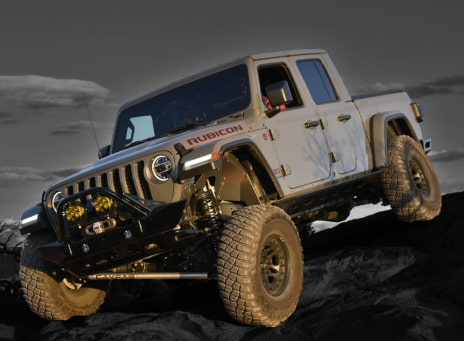
Here's the quick need-to-know on the Jeep Sahara vs Wrangler question: the Sahara isn't a separate Jeep model. It's a trim level of the Wrangler, sitting between the budget-friendly Sport trim and the trail-focused Rubicon trim.
So when people search Jeep Wrangler vs Sahara, what they're really asking is how the Wrangler Sahara compares with the other Wrangler trims, mainly Sport and Rubicon, since those two sit at opposite ends of the lineup and make the comparison clearest.
We build steering and suspension parts, plus armor, for Wranglers across every generation, so we watch this trim question come up constantly, especially from folks shopping the used market who want to know which Wrangler trim holds up and which one is worth the extra money.
The short version: Sahara leans toward daily comfort and styling. Sport leans toward price and a clean build slate, while Rubicon leans toward factory off-road hardware. Which one wins depends entirely on what you plan to do with the Jeep.

What this article covers:
- Jeep Sahara vs Wrangler Specs
- Features and Everyday Driving
- Off-Road Capability
- Build and Modification Potential
- Price and Value
- Jeep Sahara vs Wrangler vs Rubicon: Which Should You Choose?
Jeep Sahara vs Wrangler Specs
Before we get into the details, here's a side-by-side look at how the Sahara stacks up against the Sport and Rubicon trims. Keep in mind that exact features shift by model year, so always confirm specs for the specific Jeep you're considering, new or used.
|
Feature |
Wrangler Sahara |
Wrangler Sport |
Wrangler Rubicon |
|
Position in lineup |
Mid-tier, comfort-focused |
Entry-level, budget-focused |
Top-tier, off-road focused |
|
2-door/4-door availability |
4-door only |
2-door and 4-door |
2-door and 4-door |
|
4WD system |
Command-Trac part-time 4x4 |
Command-Trac part-time 4x4 |
Rock-Trac part-time 4x4 |
|
Wheels/tires |
18-inch wheels, all-season tires |
Smaller wheels, all-season tires |
33-inch off-road tires |
|
Off-road hardware |
Dana 30 front, Dana 44 rear, open differentials |
Dana 30 front, Dana 44 rear, open differentials |
Dana 44 front and rear, locking differentials |
|
Comfort/features |
Leather-trimmed seats and a 12.3-inch touchscreen |
Simpler cloth interior, smaller touchscreen |
Trail-focused tech like an off-road camera |
|
Best suited for |
Daily driving with weekend trail use |
Budget buyers and ground-up builds |
Regular technical trail use |
|
Starting price |
Mid-range of the lineup |
Lowest in the lineup |
Close to Sahara pricing |
The biggest practical difference comes down to what's underneath the sheet metal. Sahara buys you a nicer cabin and a smoother ride, but it shares its axles with the Sport trim. Rubicon is the trim that actually changes what's underneath, since it's the only one built around heavy-duty axles and locking differentials.
Features and Everyday Driving
Daily usability is where the Wrangler lineup splits the most, and it's usually the deciding factor for buyers cross-shopping a used Jeep for commuting or family duty.
Jeep Wrangler Sahara
The Sahara sits in the middle of the Wrangler range, and it's built for people who want Jeep character without a stripped-down interior.
Standard equipment typically includes 18-inch wheels, a body-color three-piece hardtop, LED lighting, and a 12.3-inch touchscreen with Apple CarPlay and Android Auto.
Available upgrades add leather-trimmed seats, a heated steering wheel, adaptive cruise control, and a premium Alpine sound system. The ride is noticeably calmer on the highway than a stiffer, trail-tuned trim.
Jeep Wrangler Sport
The Sport trim strips things back to a simpler cabin and a smaller touchscreen, which keeps the price down and gives builders a clean slate to work from.
It still comes standard with 4x4 capability and a full-size spare, but you won't find the Sahara's leather options or premium audio without adding a package.
For buyers who plan to replace the interior or add their own tech anyway, that simplicity isn't really a downside.
Jeep Wrangler Rubicon
The Rubicon sits closer to the Sahara in comfort than the Sport does, but it adds trail-oriented tech like an off-road camera and auxiliary switches instead of luxury touches.
It isn't marketed as the comfort trim, so buyers who want the plushest ride on pavement usually still lean toward the Sahara.
Verdict
For everyday driving and commuting, the Wrangler Sahara makes the most sense of these three trims. It gives you a quieter, more refined ride without sacrificing the removable doors and roof that make a Wrangler a Wrangler.
The Sport, on the other hand, asks you to give up comfort features, and the Rubicon spends its budget on trail hardware instead of cabin polish.

Off-Road Capability
Once you get off pavement, the story changes, and this is where trim choice actually affects what the Jeep can do, not just how it feels.
Jeep Wrangler Sahara
In stock form, the Sahara runs a Command-Trac part-time 4x4 system with a 2.72:1 low-range ratio. It pairs a Dana 30 front axle with an open Dana 44 rear axle, plus Hill Start Assist and enough ground clearance for dirt roads and light-to-moderate trails.
That's plenty of capability for weekend camping and mild off-roading, but the open differentials and standard tires mean traction runs out sooner than it does on the Rubicon.
Jeep Wrangler Sport
Mechanically, the Sport trim runs the same Command-Trac system and the same Dana 30 front and Dana 44 rear axle combination as the Sahara.
In other words, the Sport isn't a lesser off-roader than the Sahara; it just skips the comfort features while keeping the same underlying 4x4 hardware.
Jeep Wrangler Rubicon
This is where the Jeep Wrangler vs Rubicon difference actually shows up.
The Rubicon runs heavy-duty Dana 44 axles front and rear with Tru-Lok locking differentials, paired with a Rock-Trac transfer case that drops to a 4:1 low-range ratio and a front sway bar that disconnects for extra articulation.
After testing suspension and axle setups on Sahara and Rubicon builds for our own customers, we've seen firsthand how much difference locking differentials make once the terrain turns technical.
Verdict
For serious off-road use, the Wrangler Rubicon wins outright among these three trims.
The Sahara and Sport share the same open-differential setup and handle light-to-moderate trails just fine, but neither is built to compete with the Rubicon's factory locking differentials and disconnecting sway bar.
Build and Modification Potential
For a lot of shoppers, especially used buyers, the real question isn't which trim works best from the factory. It's which trim makes the best starting point for a build.
Jeep Wrangler Sahara
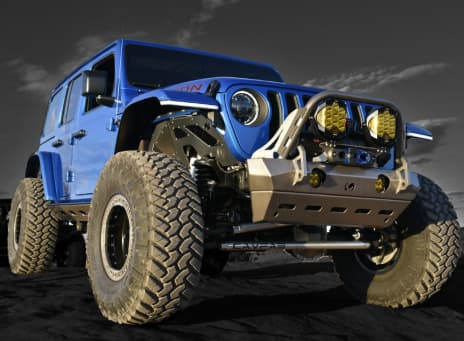
Starting a build with a Sahara means paying for comfort features you'll keep, plus a chassis you'll likely upgrade anyway. Once owners start chasing bigger tire sizes, they typically start with a Jeep Wrangler suspension kit for lift and articulation, then move on to steering.
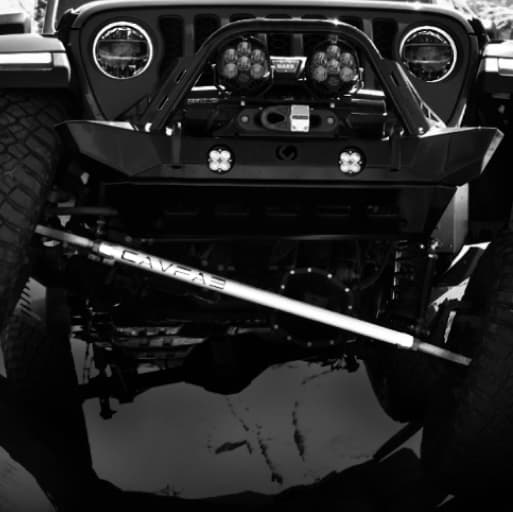
Factory steering components aren't designed around 35-inch-plus tires, which is why our 2.5 Ton Bolt-On Steering System for JL and JT platforms exists in the first place: it's built to reduce wear and improve handling once a Sahara has moved past stock tire sizes.
From helping builders plan these upgrades, we see most Sahara owners chase looks and comfort first, then add capability afterward.
Jeep Wrangler Sport
A Sport-trim Wrangler gives builders a lower purchase price and less factory equipment to remove before customizing.
Since it shares the Sahara's axles, the upgrade path looks similar once you get past interior comfort.
The main advantage is starting cost: less money tied up in features you may not keep once the build takes shape.
Jeep Wrangler Rubicon
The Rubicon gives you locking differentials and Dana 44 axles already installed, which can save real money if you were planning to add them anyway.
The tradeoff is straightforward: buy a simpler platform in the Sport or Sahara and build it yourself, or buy factory capability in the Rubicon and skip a few upgrade steps.
Verdict
Builders on a budget or those planning a full teardown often do better starting with a Sport.
Builders who want factory-installed axle strength as a foundation usually lean Rubicon.
The Sahara works best for builders who want comfort retained through the process and plan a lighter, more street-friendly build.

Price and Value
Price is where the "which Wrangler is worth it" question gets real, especially for anyone shopping used.
Jeep Wrangler Sahara
New Sahara pricing typically lands in the mid-range of the Wrangler lineup, and the extra cost mostly buys comfort and technology rather than off-road hardware.
For used buyers, a well-kept Sahara tends to hold its value and delivers a more comfortable ownership experience than a stripped Sport, which matters if the Jeep is doing daily-driver duty.
Wrangler reliability varies by model year and maintenance history. RepairPal rates the Wrangler at 3.5 out of 5.0 for reliability, a figure worth weighing against any trim-level price difference before you commit to a specific year.
Jeep Wrangler Sport
Sport pricing sits meaningfully lower than both the Sahara and the Rubicon, which makes it the better buy for anyone planning to add their own suspension and steering upgrades rather than pay for factory comfort features they'll replace.
Since the Sport shares its off-road hardware with the Sahara, you aren't giving up capability to save money here, only comfort.
Jeep Wrangler Rubicon
Rubicon pricing usually sits close to the Sahara, which makes it a strong value if you want factory off-road hardware instead of paying for it as an aftermarket upgrade later.
For used shoppers specifically, it's worth running the VIN through NHTSA's recall database before buying any trim, since outstanding recalls and steering-related fixes are common enough on Wranglers to be worth double-checking.
Verdict
Sahara offers the best value for daily-driver comfort. Rubicon offers the best value for factory trail capability. Sport offers the best value for anyone building a Jeep from the ground up.

Jeep Sahara vs Wrangler vs Rubicon: Which Should You Choose?
The right answer depends less on the spec sheet and more on how you plan to actually use the Jeep day-to-day. Here's how we'd break it down for each type of buyer.
Choose a Wrangler Sahara if you want a comfortable daily driver with light-to-moderate trail ability and don't want to hunt down comfort features later.
Choose a Wrangler Sport if you want the lowest entry price and plan to build the Jeep your way from the start, since it shares its axles with the Sahara anyway.
Choose a Wrangler Rubicon if you regularly hit technical trails and want locking differentials and heavy-duty axles already installed.
Choose based on build potential if you're buying used and planning upgrades. A cheaper Sport or Sahara paired with a healthy budget for Jeep control arms and steering work often ends up cheaper overall than paying extra for a Rubicon's factory features.
Conclusion
Jeep Sahara vs Wrangler was never really a fair fight, because the Sahara, Sport, and Rubicon are all configurations of the same Wrangler, not competing vehicles.
The better choice comes down to whether you value everyday comfort, entry price, or factory trail hardware.
After years in the industry building steering and suspension components for Wrangler platforms, we've found that the right trim is the one that matches how you actually plan to drive it, not the one with the longest feature list.
Whichever trim you land on, once you start pushing past stock capability, check out our Jeep suspension parts for fitments specific to your axle and tire setup.