


Best Jeep Wrangler Accessories: Top Off-Road Upgrades
A Wrangler can look ready for the trail long before it’s actually set up for serious off-road use. Once you start adding larger tires or increasing suspension travel, other parts of the Jeep have to keep up. Clearance becomes more important, exposed components need better protection, and the factory setup can start showing its limits.
That’s where choosing the best Jeep Wrangler accessories gets interesting. A bumper isn't just about appearance, just as a tire carrier isn't simply a place to hang the spare. Suspension, steering, axle protection, and armor each have a role to play, and the right combination can turn individual upgrades into a cohesive off-road build.
The key is choosing accessories that match the way you plan to use your Wrangler. Whether you're building for rocky trails or simply want a more capable setup for getting beyond the pavement, these are the upgrades worth considering.
Best Jeep Wrangler Mods & Accessories
The right accessories can do more than change the look of your Wrangler. They can address specific demands of off-road driving and help each part of your build work better with the next:
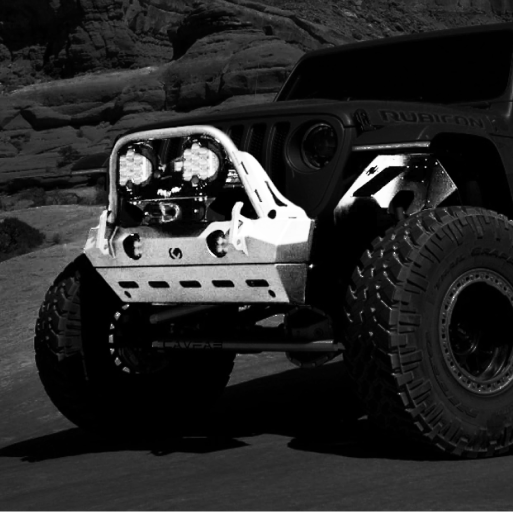
1. Bumpers
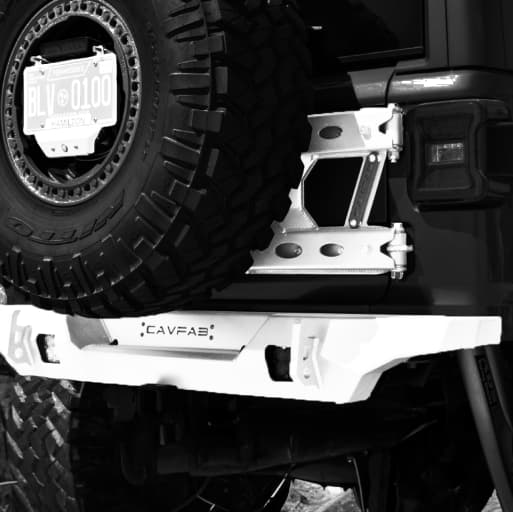
The Ultra Clearance Rear Bumper JL/JLU is built around one of the biggest considerations for an off-road bumper: keeping the rear of the Jeep out of the way when the trail gets tight. A well-designed bumper can provide additional protection while also helping preserve useful clearance around the ends of the vehicle.
We pay close attention to Jeep bumper construction because clearance and mounting design both matter once you leave the pavement. A bumper that works well for an off-road build should complement the rest of the Jeep rather than becoming unnecessary bulk.
For a Wrangler that regularly encounters rocks and steep approaches, bumper design can have a noticeable effect on how confidently you approach obstacles. Keeping unnecessary material out of the way can be particularly useful when you're trying to preserve your departure angle.

2. Fender Flares
Once you start changing your Wrangler's suspension or running larger tires, factory fenders can become a limiting factor. Fender flares give you another way to manage tire clearance while changing the overall stance of the Jeep.
For off-road builds, clearance is especially important when the suspension is articulating. You don't want your tire contacting the body every time the trail gets uneven. The Rear Fender Flare 2-Bolt-On TJ/LJ gives TJ and LJ owners a straightforward bolt-on option for updating the rear fender area as part of a modified build.
Jeep fender design should be part of the complete suspension and tire setup rather than treating it as a purely cosmetic modification. The right flare can help create the room your build needs while giving the Wrangler a more purposeful appearance.
3. Suspension and Steering
Jeep Wrangler suspension and steering deserve plenty of attention once you're serious about improving how your Wrangler performs off-road. Changes to ride height, tire size, or suspension travel can affect how the Jeep handles the terrain, making it important to consider these systems together rather than treating every component as an isolated upgrade.
The important part is choosing components based on the rest of your build. A Wrangler with larger tires and additional equipment has different requirements from a mostly stock Jeep that occasionally visits a dirt trail.
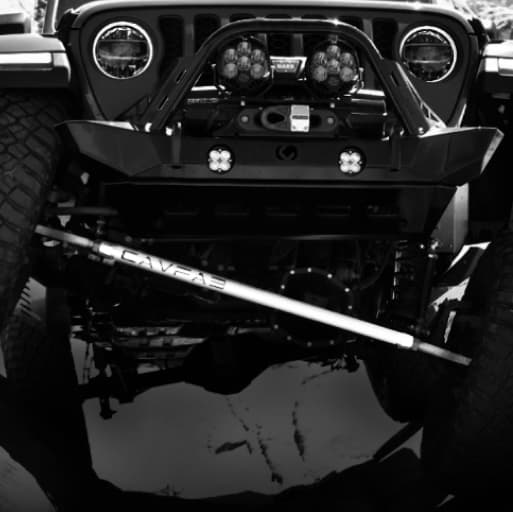
For TJ and LJ owners, the Over-the-Axle (OTA) Track Bar System TJ/LJ addresses a specific part of that equation by moving the track bar over the axle for additional clearance. From our experience, this kind of targeted upgrade makes the most sense when it's selected as part of a larger suspension plan.

4. Axle and Differential Upgrades
Your axles spend their time taking the abuse that comes with putting power to the ground, especially when you're crawling over rocks or running larger tires. That makes axle and differential components an important part of a serious off-road build.
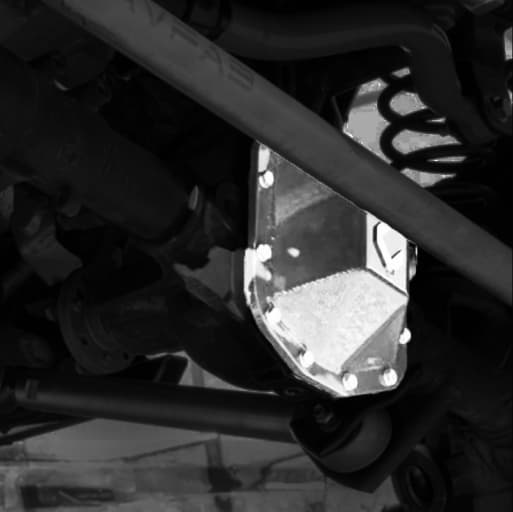
Jeep differential covers are a particularly practical upgrade. They're exposed to rocks and other obstacles underneath the Jeep, so additional protection can help safeguard an area you really don't want to damage on the trail. For JL and JT owners running a Dana 30 front axle, the Dana 30 Front M186 Diff Cover JL/JT adds protection directly where it's needed.
The right upgrade here depends heavily on your build and tire size, so it's worth factoring in the terrain you drive before choosing a component. A Jeep that spends its weekends crawling over rocks has different demands from one that sticks to maintained dirt trails.
5. Inner Fenders
Jeep inner fenders can be an overlooked part of a Wrangler build, but they become more relevant when you're increasing tire clearance or changing the suspension. They can also help tidy up the area around the wheel wells for a more finished setup.
On a trail Jeep, the area inside the fender can see plenty of mud and debris. A well-designed inner fender can help protect components in this area while giving your build a cleaner appearance.
For JL, JLU, and JT owners, the Front Inner Fenders JL/JLU/JT fit naturally into a build where wheel-well space is already part of it. They're particularly useful when larger tires or increased suspension travel have made clearance a bigger priority.

6. Armor
Off-road driving puts parts of your Wrangler in places they don't normally see on the street. Rocks and uneven terrain can turn exposed components into potential impact points, which is where additional armor can earn its place.
The best approach is to protect the areas that correspond with the trails you actually drive. A rock crawler has different priorities from a Jeep that spends most of its time on dirt roads or mild trails. At CavFab, we approach Jeep armor with the same principle we use across our product range: build for function first.
On TJ and LJ builds, that can mean focusing protection on vulnerable body areas rather than adding armor everywhere. The Tailgate Armor TJ/LJ reinforces the tailgate area, giving owners a targeted way to add protection where trail obstacles can cause damage.
How to Choose the Best Accessories for Your Jeep
The right Wrangler accessories depend on more than what looks good on the Jeep. Before buying an upgrade, think about how you drive and what you've already changed. It's also worth considering what you want the finished build to accomplish.
1. Your Driving Style
Start with where your Wrangler actually spends its time. A Jeep that tackles rocky trails and steep obstacles has different needs from one that's mostly driven on pavement with occasional trips onto dirt roads.
Your driving style should influence how much emphasis you place on off-road capability and component durability. If you're regularly dealing with technical terrain, an accessory that addresses a specific off-road demand can be much more valuable than a purely cosmetic upgrade.

2. Your Existing Build
Every modification affects the parts around it, so it's important to look at the Wrangler as a complete system. Larger tires can change your clearance requirements, while suspension modifications can affect geometry and create new demands elsewhere on the Jeep.
Before choosing an accessory, factor in what you've already installed and whether the new component is designed to work with those changes. This can help you avoid buying a part that doesn't suit your current setup or creates another problem further down the road.
3. Your Jeep's Generation
Not every Wrangler accessory fits every Jeep. TJ, LJ, JK, JL, and JLU models have different designs, dimensions, and mounting points, so compatibility should always be checked before purchasing a part.
This is particularly important with components such as bumpers, fender products, and suspension parts. Knowing your Jeep's exact model and configuration can narrow down your options and make it easier to find an accessory that fits the build properly.
4. Clearance and Ground Contact
Clearance becomes increasingly important as you make your Wrangler more capable off-road. A component that sits too low or takes up unnecessary space underneath the Jeep can become a liability when you're navigating rocks or uneven terrain.
Think about where the accessory sits on the vehicle and how it could interact with the terrain. For some builds, preserving departure clearance is the priority. For others, wheel-well space or clearance around the axle matters more.

5. Strength and Construction
Off-road driving can put considerably more stress on components than normal street driving. That's why construction matters when you're choosing accessories for a trail-focused Wrangler.
Look at how the component is designed and what demands it's expected to handle. A part intended for serious trail use should be selected with the rest of the vehicle in mind, particularly when you're running larger tires or making other performance modifications.
6. How the Accessory Fits the Build
Finally, think beyond the individual part. The most useful accessories are the ones that support the direction of the entire build rather than working against it.
A suspension upgrade should make sense alongside your tire setup. A bumper should complement your clearance goals. Armor should protect areas that actually face exposure on your usual trails. When each modification has a clear purpose, it's easier to build a Wrangler that feels cohesive rather than simply modified.
7. Tire Size
Your tire choice has a major effect on which accessories make sense for your Wrangler. Larger tires can improve off-road capability, but they can also create additional demands for clearance and supporting components.
Before choosing an accessory, consider your current tire size and whether you plan to go larger later. An upgrade that works with your current setup might not leave enough room for future changes, so thinking ahead can save you from replacing parts as your build evolves.
8. Suspension Lift
A lift can create more room underneath your Jeep, but it also changes how the vehicle's components relate to each other. The amount of lift you're running should therefore factor into accessory selection, particularly when you're looking at suspension-related components.
Think about whether an accessory is designed around the geometry of your Wrangler's current setup. This becomes even more important as you increase lift height or combine several suspension modifications.

9. Installation Requirements
It's easy to focus on what an accessory does and overlook how it actually gets installed. Before buying a part, decide whether it fits your current configuration and what the installation involves.
Some upgrades can be incorporated into an existing build relatively easily, while others might require additional modifications or supporting components. Understanding those requirements beforehand can help you plan the project properly and avoid surprises once the Jeep is in the garage.
10. Future Modifications
Your Wrangler probably won't stay exactly the way it is today. Off-road builds tend to evolve as owners spend more time on the trail and figure out what their Jeep needs next.
If you already know that larger tires or additional suspension work are in your plans, make allowances for those changes before choosing accessories. Planning around your future build can help you select components that continue to make sense as the Jeep develops.
Conclusion
The best Jeep Wrangler accessories aren't necessarily the parts that make the biggest visual statement. They're the upgrades that make sense for how you use your Jeep and where you take it.
Start with the areas that will have the biggest effect on your build, then make sure each new component works with what you've already installed. That approach can help you create a Wrangler that's ready for tougher trails and more demanding off-road use.
When you're ready to take your build further, shop CavFab for Jeep parts engineered with off-road performance in mind.