


Jeep Grand Cherokee vs. Jeep Wrangler: Which Fits You?
The Grand Cherokee and Wrangler might share the Jeep badge, but they take very different approaches to life behind the wheel. One leans toward refined everyday driving, while the other is built around open-air adventures, trail capability and the freedom to modify it to your liking. That difference becomes especially important once you start looking beyond the showroom and thinking about how you’ll actually use your Jeep.
The Jeep Grand Cherokee vs. Jeep Wrangler comparison gets even more interesting when you factor in off-road hardware, customization potential and long-term build plans. We work with Jeep owners who take their vehicles well beyond stock, so we know what makes a strong foundation for an off-road build.
Jeep Wrangler vs. Jeep Grand Cherokee: What Are the Differences?
The Jeep Wrangler and Grand Cherokee can both handle life beyond the pavement, but they’re designed with different priorities in mind. Let’s look at the key differences that could shape which Jeep makes more sense for you:
1. Off-Road Capability
The Wrangler has off-road capability baked into its basic design rather than treating it as an occasional feature. Depending on the configuration, you can get solid axles, low-range gearing, locking differentials and a disconnecting front sway bar.
The Grand Cherokee can be seriously capable, particularly in Trailhawk form, but its overall design has a broader focus. The Wrangler is much more at home when the route involves rocks, steep obstacles or deep ruts.
We’ve spent plenty of time around modified Jeeps, and the difference is easy to appreciate once the terrain gets challenging. For a buyer who expects off-road driving to be a regular part of ownership, the Wrangler is built around exactly that purpose.

2. Ride and Everyday Comfort
Here’s where the Grand Cherokee makes its strongest case. Its suspension and cabin are tuned for a quieter, smoother experience, which can be especially appealing during long commutes or highway trips. The available Grand Cherokee L also adds three-row seating for buyers who need additional passenger space.
The Wrangler asks you to accept some compromises in exchange for its rugged character. Road noise is more noticeable, and aggressive tires can make the ride feel even more truck-like.
The same tradeoff between comfort and function comes up when you’re comparing the Jeep Wrangler and G-Wagon, so settle it before you buy.
If most of your miles happen on pavement, the Grand Cherokee's refinement will stand out. If you're comfortable with a more rugged daily driver because you want greater freedom off-road, the Wrangler makes more sense.
3. Customization and Build Potential
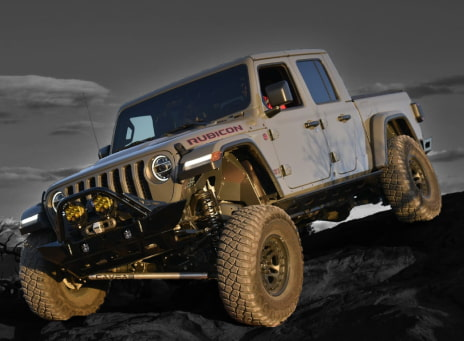
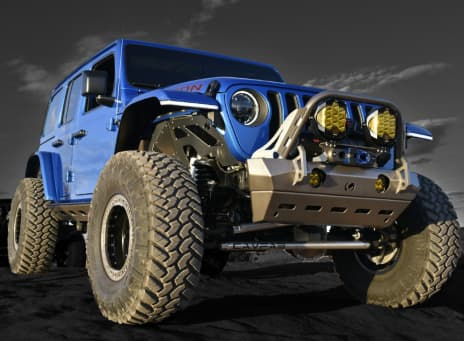
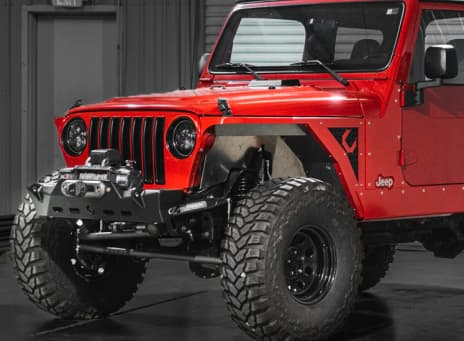
This is another area where the Wrangler stands apart. Its enormous aftermarket gives owners plenty of ways to build the vehicle around their driving style and preferred terrain.
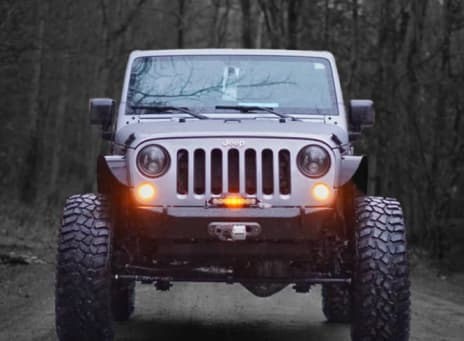
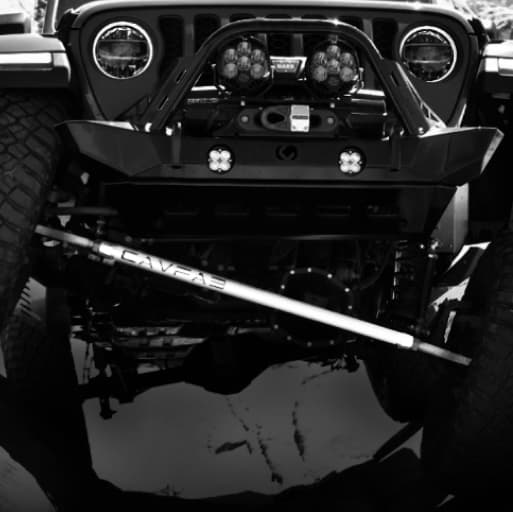
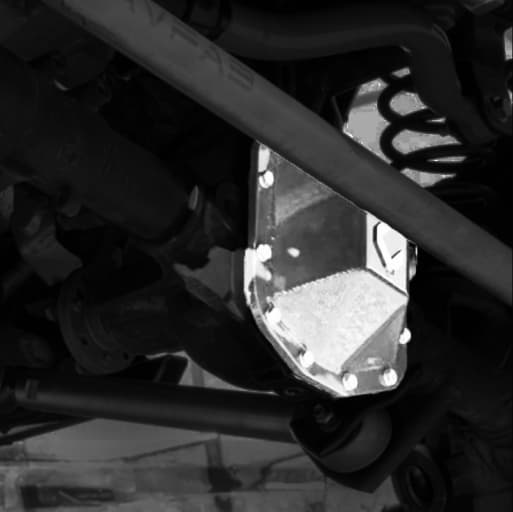
You might start with a stock Wrangler and eventually add Jeep armor, upgrade the suspension, or fit larger tires. The platform makes that progression relatively straightforward, which is one reason Wranglers are so popular among enthusiasts.
The Grand Cherokee has aftermarket options, too, but its design isn't aimed at the same level of traditional off-road modification. Its unibody construction also gives it a different foundation for serious builds.
If you already have plans for a custom trail build, the Wrangler gives you more freedom to turn those plans into reality.

4. Body Style and Open-Air Driving
The Wrangler gives you options that fundamentally change how you experience the vehicle. Depending on the model, you can remove the roof and doors and turn an ordinary drive into an open-air outing.
There are also two-door and four-door configurations to consider. The two-door Wrangler keeps things compact, while the four-door model provides more room for passengers and gear.
The Grand Cherokee follows a more conventional SUV formula, with a fully enclosed cabin and a focus on comfort. That makes sense for buyers who want a straightforward family vehicle, but it doesn't offer the same sense of freedom.
If the idea of pulling the doors off your Jeep sounds like part of the fun, there really isn't a substitute for the Wrangler.
5. Towing and Utility
Towing is one category where the Grand Cherokee deserves credit. Properly equipped models can tow up to 6,200 pounds, compared with up to 5,000 pounds for certain four-door Wrangler configurations.
The extra capacity can be necessary if you're regularly hauling a heavier trailer. The Wrangler approaches utility differently, with its four-door configuration offering useful cargo space while retaining the dimensions and hardware that make it practical on trails.
Think about what you're actually going to put behind your Jeep. Someone towing a substantial trailer every weekend has different requirements from an owner carrying camping equipment to a trailhead.
For recreational use where off-road access is just as important as hauling capacity, the Wrangler's overall versatility makes it a compelling choice.

6. Ground Clearance and Trail Maneuverability
A Jeep's dimensions can make a surprising difference once you're away from paved roads. The Wrangler's compact proportions and generous ground clearance help it negotiate obstacles while reducing the chances of catching the underbody on uneven terrain.
The Grand Cherokee can certainly venture onto rough trails, but its larger, more road-oriented design gives it a different character. The Wrangler feels more natural when the route narrows, or the terrain becomes increasingly irregular.
This is particularly relevant if you're planning to explore technical trails rather than simply drive across a gravel road. The Wrangler gives you a platform that's easier to work with when your definition of "off-road" keeps getting more ambitious.
7. Engine and Performance Options
Both Jeeps offer multiple powertrain choices, so this comparison isn't simply about which one makes more horsepower. The Wrangler lineup includes turbocharged four-cylinder and V6 options, along with higher-performance configurations that take output considerably further.
The Grand Cherokee also offers capable engines, with electrified power available in select configurations.
For an off-road build, we look further than the engine's output. The way power reaches the ground, how the suspension handles uneven surfaces, and how the vehicle responds to low-speed obstacles all influence real-world performance.
That's another reason the Wrangler appeals to enthusiasts. Its overall mechanical package is designed to support the kind of driving where raw horsepower isn't the only thing that matters.

8. Durability
The Wrangler has a reputation for being ready to take some abuse, and its construction reflects that role. Its rugged architecture and straightforward mechanical components suit owners who aren't planning to keep their Jeep exclusively on smooth pavement.
The Grand Cherokee is built for durability as well, but its priorities include a more refined driving experience. The Wrangler is better suited to an owner who expects the vehicle to encounter rougher conditions throughout its life.
That becomes particularly relevant when you're planning a long-term build. We often see Jeep owners start with relatively simple modifications before gradually adding more substantial upgrades. The Wrangler's rugged foundation makes it a natural platform for that progression.
Jeep Grand Cherokee or Jeep Wrangler: Which Should You Choose?
The right choice depends on what you expect from your Jeep now and what you might want to do with it later:
| Feature | Jeep Wrangler | Jeep Grand Cherokee |
|---|---|---|
| Off-road capability | Excellent | Very capable |
| Modification potential | Excellent | Moderate |
| Open-air driving | Available | Not available |
| Everyday comfort | Rugged and functional | More refined |
| Maximum towing | Up to 5,000 lbs. on certain models | Up to 6,200 lbs. |
| Passenger capacity | Up to 5 in four-door models | Up to 7 in Grand Cherokee L |
| Trail-focused hardware | Extensive availability | Available on select configurations |
| Best suited to | Off-road builds and adventure | Family use and daily driving |
The Grand Cherokee makes a lot of sense for buyers who want a comfortable SUV that can still handle rough terrain when needed. Its road manners, interior options, and towing capability make it a practical everyday choice.
For buyers who want a Jeep built around off-road performance, though, we'd choose the Wrangler without hesitation. Its factory hardware gives you a capable starting point, while the removable body panels and enormous aftermarket open up far more possibilities for customization.
Whether you're planning a few targeted upgrades or a full trail build, the Wrangler gives you the platform to keep pushing your Jeep further. As Jeep performance parts manufacturers, that's exactly the kind of vehicle we want to help you build.

Jeep Wrangler vs. Jeep Grand Cherokee FAQs
Is the Jeep Wrangler available as a hybrid?
Yes and no. The Wrangler 4xe was available as a plug-in hybrid through the 2025 model year, but it’s no longer sold new. You can still find used Wrangler 4xe models on the pre-owned market.
Does the Jeep Wrangler have removable doors?
Yes. Removable doors are one of the Wrangler’s signature features. The doors can be taken off for off-road adventures or open-air driving, depending on the model and configuration.
Which Jeep holds its value better?
Both models can retain value well, but depreciation varies based on factors such as model year, trim, mileage, condition, and demand. A well-maintained vehicle with desirable equipment generally has a stronger position in the used market.
Conclusion
The Grand Cherokee is a capable, comfortable SUV with plenty to offer, but the Wrangler is where things get exciting for off-road enthusiasts. It gives you the hardware to tackle challenging terrain from the start, then leaves plenty of room to make the Jeep your own.
Whether you're picturing weekend trail runs, a serious rock-crawling build, or simply a Jeep that stands out from the crowd, the Wrangler gives you something to build on.
That’s exactly what we love about it at CavFab. Your Wrangler doesn’t have to stay stock, and your build doesn’t have to stop at one upgrade. Shop our Jeep Wrangler Parts to start turning your ideas into a Jeep built for the way you drive.