


Where Do Jeep Parts Come From?
Pop the hood, crawl under the frame, or start comparing boxes on a workbench, and the same question shows up fast: where do Jeep parts come from? The answer usually isn't one factory or one brand-owned production line.
Most Jeep parts move through a layered supply chain with different companies handling design, raw materials, machining, assembly, finishing, packaging, and distribution.
Once you get into the aftermarket, that spread gets even wider, which is why two parts that look similar on a screen can behave very differently once they're bolted onto the vehicle.
What this article covers:
- The Short Answer: Where Do Jeep Parts Come From?
- How OEM Jeep Parts Are Manufactured And Sourced
- Where Aftermarket Jeep Parts Come From
The Short Answer: Where Do Jeep Parts Come From?
Jeep parts come from a global supply chain, not a single factory or country. Original equipment manufacturer (OEM) and aftermarket upgrades are manufactured and assembled across multiple regions depending on the part and production model.
For OEM parts, Jeep vehicles are engineered by Stellantis, while Mopar handles service parts distribution through a network of suppliers. Those parts are often produced in different countries before reaching dealerships.
Aftermarket parts vary even more. Some are mass-produced overseas, some are designed in one country and assembled in another, and others are fully built in-house by specialized manufacturers.
That's why understanding who makes Jeep parts and where they come from matters when you're comparing Jeep parts for fitment, material quality, and long-term durability.

How OEM Jeep Parts Are Manufactured And Sourced
OEM Jeep parts come from a structured supplier network, not a single all-in-one factory. Stellantis, Jeep's parent company, handles vehicle design and engineering, then relies on specialized suppliers to build the actual components.
That's how modern vehicle manufacturing works. A Jeep rolls off the line as a complete unit, but the parts inside it were produced by multiple companies, each focused on a specific process.
The Role Of Tier 1 And Tier 2 Suppliers
Tier 1 suppliers build complete components that go straight into the vehicle, including axles, steering systems, electronics, and suspension assemblies.
Tier 2 suppliers sit one step back, producing the raw materials and subcomponents like cast housings, bushings, hardware, and stamped parts that Tier 1 companies rely on.
By the time you're holding an OEM part, it usually reflects work from more than one manufacturer.
How Mopar Fits Into The Supply Chain
Mopar is Jeep's official OEM parts and service brand. It handles packaging, distribution, and dealership fulfillment for replacement parts after those parts are produced by Jeep's supplier network.
The name on the box reflects the official parts channel, not necessarily one company that manufactured the entire component from start to finish. In most cases, multiple suppliers were involved before the part ever reached final packaging.
What Countries' Jeep Parts Are Made In
Jeep parts are built across the USA, Mexico, Canada, Europe, and parts of Asia, depending on the component and supplier. A single part might be cast in one country, machined in another, and assembled somewhere else. In most cases, the final vehicle assembly doesn't reflect the full origin of the parts inside it.
Parts are spread across regions for a few practical reasons.
- Different regions specialize in different types of manufacturing, from electronics to heavy fabrication.
- Large-scale production is placed where it can run efficiently without driving costs too high.
- Suppliers are positioned near assembly plants or logistics hubs to keep production moving.

Where Aftermarket Jeep Parts Come From
Aftermarket Jeep parts come from a few different manufacturing models. Some are built in large overseas production runs, and some are designed and finished by smaller specialist manufacturers.
Those models can all produce usable parts, but they don't offer the same level of control.
Mass-Produced Aftermarket Parts
Mass-produced aftermarket parts are usually built for volume and price. They're often manufactured overseas in high-output facilities with standardized designs meant to move a lot of units quickly.
That approach can work for basic accessories, but it also tends to widen the spread in weld consistency, material thickness, hardware quality, and finish durability.
Hybrid Manufacturing Models
Hybrid manufacturing splits the process across countries or facilities. A company may design the part domestically, source materials internationally, and then assemble or package it in the USA.
That model can be a reasonable middle ground, especially when the company stays involved in inspection and final quality control. It still means the actual production story is mixed, even if the labeling sounds cleaner than the process really is.
In-House Manufactured Parts
In-house manufacturing keeps design, fabrication, and finishing with the same company. That usually means smaller production, tighter quality control, and fewer blind spots between the drawing and the finished part.
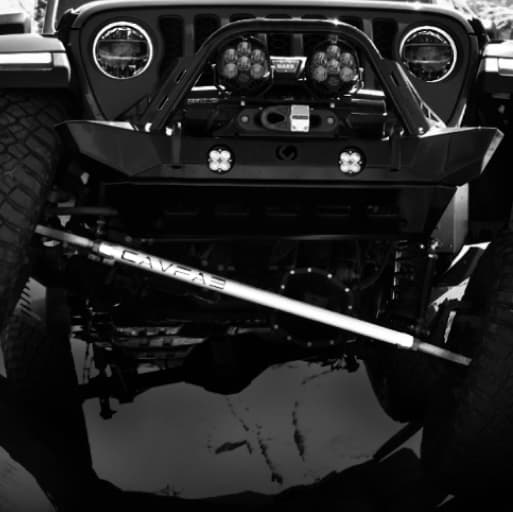
We here at CavFab are a good example of that model.
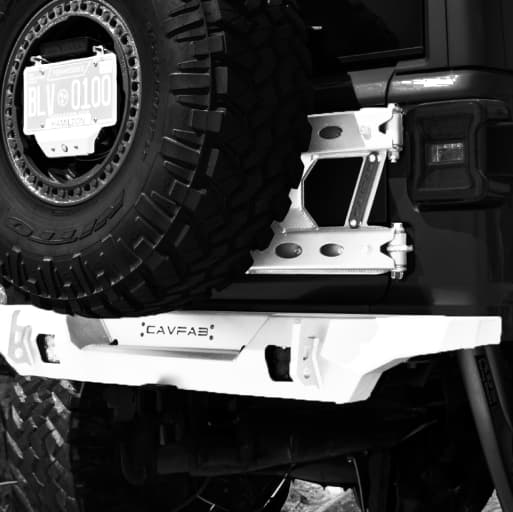
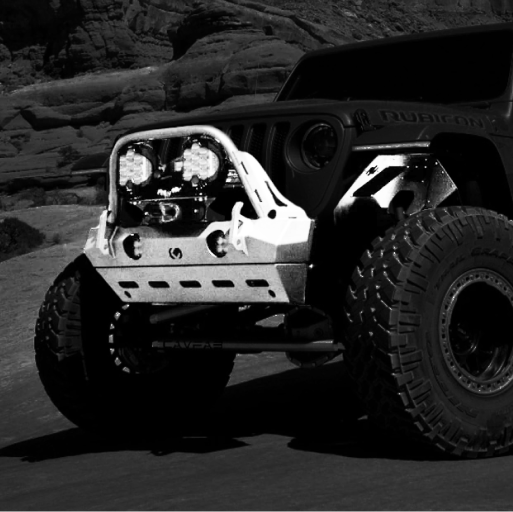
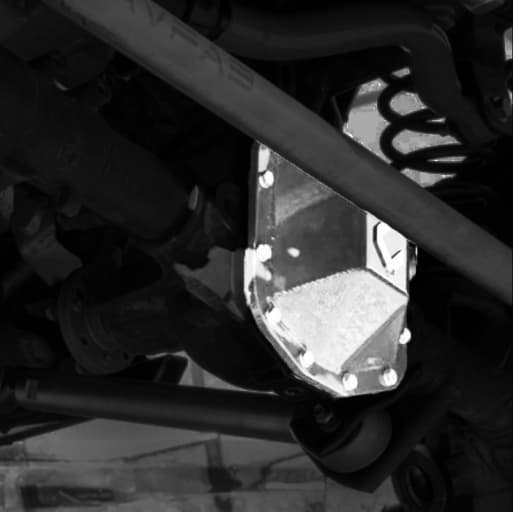
Our Jeep parts are made in the USA and built in-house, which gives us more control over material selection, weld quality, fixture accuracy, and final fitment. That extra control translates into cleaner installs and fewer surprises once the Jeep is actually used the way it was built to be used.
Conclusion
Jeep parts come from a mix of OEM supplier networks, global manufacturing regions, and aftermarket production models that vary a lot more than most boxes admit.
Final assembly location only tells part of the story. The real difference comes from who built the part, how closely they controlled the process, and whether the design was backed by real fabrication experience.
If you want parts from a team that stays close to the work, our CavFab Jeep parts lineup covers the categories that matter on real builds, from Jeep suspension and Jeep control arms to Jeep bumpers.
We build with trial load and long-term reliability in mind, so you can make decisions with more control and head into the next install with fewer surprises.
Ready to learn more about Jeeps? Check out these articles: