

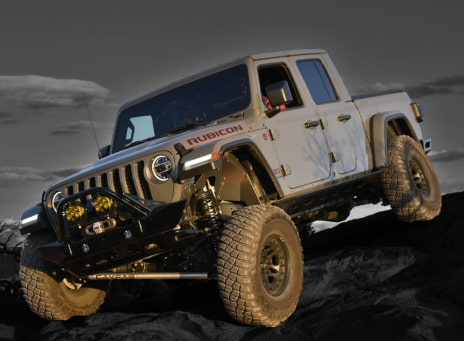
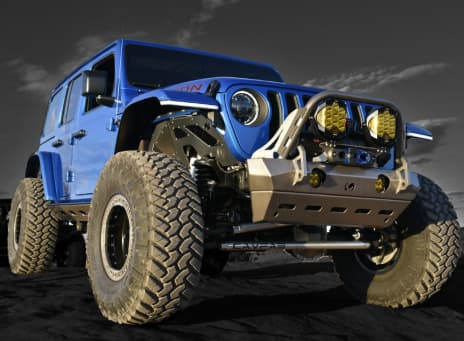
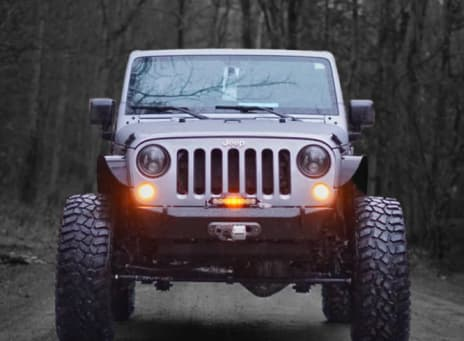
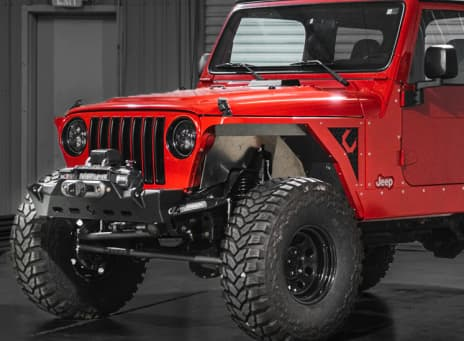

JK vs JL Jeep
Shopping for a Wrangler and keep hearing JK and JL tossed around? You're not imagining the resemblance. These two generations share a boxy silhouette that can fool a casual glance. Underneath, though, they're different rigs built for different eras of Jeep ownership.
We work with Jeeps all day, and the JK vs JL Jeep question comes up constantly. Here's a quick, no-fluff breakdown of what actually separates the two, so you can decide which one belongs in your driveway.
JK vs JL Jeep: What's the Difference?
The JK ran from 2007 to 2018 and turned the Wrangler into a mainstream hit. The JL took over in 2018 and looks like a close cousin on the surface. Spend real time with both, though, and the gaps show up fast.
1. Exterior and Body Construction
The JK uses steel sheet metal throughout. The JL kept the same tough body-on-frame layout but switched to aluminum doors and panels to cut weight. Small details shifted too. Turn signals moved to the fender flares, door handles switched to a pull design, and the license plate moved to the bumper.
Four-door JLs also grew about four inches longer than JKs, while two-door models added roughly two inches. Width stayed the same, so that extra length goes straight into cabin space.
2. Fenders and Tire Clearance
This is where the JL pulls ahead for anyone eyeing bigger tires. From our experience fitting oversized tires and armor on both generations, the JL's fender flares and wheel wells simply offer more room. Rubicon JLs get taller flares with about two extra inches of clearance over the JK. If bigger tires are in your future, this gap matters.

3. Interior and Technology
Step inside a JL and the upgrade is obvious. The gauge cluster is far more digital, and most trims get a real infotainment screen with features the JK never had. The JL also added an optional Trail Rail Cargo Management system for easier gear hauling.
Both generations still let you pull the doors and top, a Wrangler tradition that isn't going anywhere. The JL added a Sky One-Touch top with removable rear windows and a push-button fabric center panel.
4. Engine and Powertrain Options
Both generations share more than people expect here. The JK moved to the 3.6L Pentastar V6 in 2012 and stuck with it for the rest of its run. The JL carried that same V6 forward, adding Stop and Start for better fuel economy. Midway through its first year, the JL also added a 2.0L turbocharged four-cylinder, giving buyers a real engine choice for the first time.
5. Transmission and Drivetrain
The JL's 8-speed automatic is a genuine step up. Early JKs ran a 4-speed, later replaced by a 5-speed starting in 2012. More gears mean less hunting between ratios, whether you're crawling rocks or cruising the highway.
Dana axles anchor both generations, but the JL's units run slightly wider and stronger. Wheelbase grew too, about 1.5 inches on two-door models and 2.5 inches on four-door models, adding stability without hurting the tight turning radius.
6. Suspension
Both generations use solid axles with a 4-link and track bar setup front and rear, so the core architecture didn't change much. Control arms stretched a little, and some mounting points were refined, but Jeep had already nailed the formula with the JK.
After years in the industry building suspension and armor for both platforms, we can say that proven layout is exactly why Wrangler suspensions stay so aftermarket-friendly across generations.

7. Aftermarket Support and Upgradability
Both platforms have earned serious aftermarket loyalty, though for different reasons. The JK has over a decade of parts development behind it, so lift kits and Jeep armor are refined and easy to source. The JL is catching up fast, and coverage now rivals the JK for most popular builds.
We build kits for both generations, so whichever Wrangler you're working with, there's a proven setup ready to go.
Curious about different models? Take a look at our guides on Jeep YJ vs TJ and Jeep CJ5 vs CJ7.
JK or JL Jeep: Which Should You Choose?
|
Feature |
JK (2007-2018) |
JL (2018-present) |
|
Body panels |
Steel throughout |
Aluminum doors and panels |
|
Tire clearance (Rubicon) |
Standard flares |
Up to 2 inches more |
|
Engine options |
3.6L V6 only |
3.6L V6 or 2.0L turbo four |
|
Transmission |
4-speed, later 5-speed automatic |
8-speed automatic |
|
Interior tech |
Analog gauges, basic stereo |
Digital gauge cluster, full infotainment |
|
Wheelbase |
Shorter |
Up to 2.5 inches longer (4-door) |
|
Starting price (used market) |
Lower |
Higher |
Want the newest, most capable Wrangler on the used market? Go JL. It wins on tire clearance, transmission smoothness, interior tech, and engine choice. Want serious off-road capability for a lot less money? A JK still delivers.
A JK is not an outdated Jeep. It's a mature platform backed by over a decade of factory refinement and aftermarket support. After extensively testing this product category across customer builds, we've found JKs remain some of the easiest platforms to lift and armor, since most of the bugs got worked out long ago.
The JL makes sense for buyers who want the latest tech, better fuel efficiency, and room for bigger tires without extra fender work. It costs more, but it's the newer platform with a longer road ahead.
Bottom line: value and proven simplicity point to a JK. Modern comfort and out-of-box tire clearance point to a JL. Either way, you're driving a Wrangler.

Jeep JL vs JK FAQs
Do JK and JL parts interchange?
Not usually. The two platforms share a similar look, but different mounting points, wiring, and dimensions, so most Jeep bumpers, armor, and suspension parts are built specifically for one generation or the other.
Is the JL more fuel efficient than the JK?
Generally, yes. The Stop and Start system and the extra gears in the 8-speed automatic help the JL squeeze more miles out of a tank than most JK configurations, especially with the turbo four-cylinder engine.
How do resale values compare between the two?
JLs generally hold value a bit better since they're newer and still in production, while JKs have already taken most of their depreciation hit, which is part of why they're a popular budget entry point today.
Conclusion
There's no single right answer in the JK versus JL debate, and that's a good thing. Both are capable, well-supported Wranglers ready for daily driving and serious trails alike. The JK brings a lower price and a proven track record. The JL brings a longer wheelbase, better tire clearance, and real interior tech.
Whichever Wrangler you choose, the build is just getting started. CavFab is here to help you outfit it with Jeep parts made for real trail use, not just a tough look in the driveway.