


Jeep YJ vs TJ
Shopping for an older Wrangler usually means running into this exact fork in the road. Do you go with the YJ, the Wrangler that started it all in 1987, or the TJ, the generation that showed up a decade later and refined nearly everything?
The Jeep YJ vs TJ debate comes up constantly, and for good reason: both make a great base for an off-road build, but they're different trucks under the skin.
From our experience helping customers plan builds around both generations, this isn't really about which Jeep is objectively better. It's about matching the Jeep to your goals and your budget. Here's what actually separates them.
Jeep YJ vs TJ: What Are the Differences?
These two Wranglers share a name, but they part ways in almost every area that matters for an off-road build. Here's a closer look at where they diverge:
1. Production Years
The YJ ran from 1987 to 1995. Jeep built it to fix a real problem with the old CJ series, which had a reputation for rolling over in tight turns due to its narrow frame. The YJ got a wider stance and a lower center of gravity, trading some CJ nostalgia for real stability.
The TJ followed in 1997 and ran through 2007. It kept the Wrangler's core character but modernized the platform in ways that mattered once you left the pavement.
2. Headlights and Styling
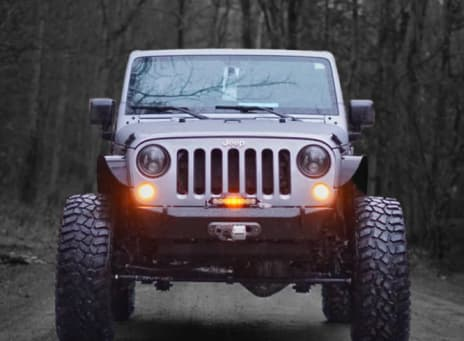
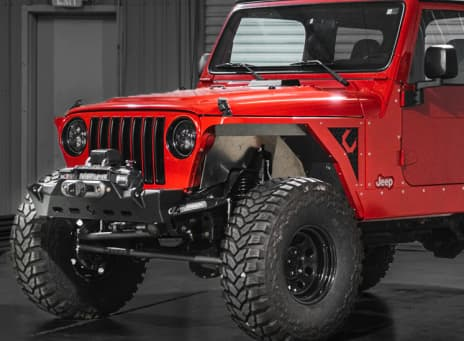
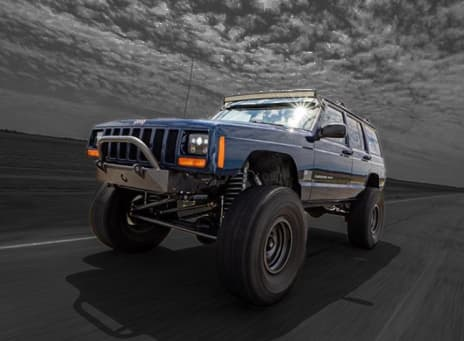
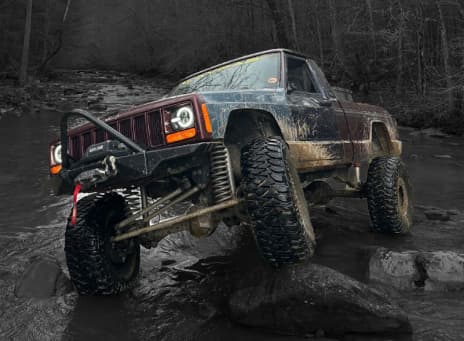
The YJ's square headlights are its calling card, a departure from Jeep tradition that plenty of longtime enthusiasts never fully accepted. The TJ brought back the round headlights and seven-slot grille look most people picture when they think "Jeep."
If you want that classic silhouette, the TJ has it. If 90s flair is your thing, the YJ still turns heads.

3. Suspension
This is where the two generations really part ways. The YJ uses leaf springs at all four corners, simple and durable but stiffer, with less articulation off-road. The TJ switched to coil springs front and rear, letting the axles move more independently so the tires stay planted longer over rough terrain.
After extensively testing suspension across both platforms, we can say the coil-sprung TJ has noticeably more give built in, and it shows on the trail. Coils also make the TJ a friendlier canvas for aftermarket lift kits and long-arm suspension setups.
4. Safety and Comfort
The TJ meets more modern safety standards, including airbags, and its cabin feels noticeably more current than the YJ's. That gap matters if daily comfort is as important to you as weekend trail time.
5. The Rubicon Trim
Starting in 2003, the Rubicon trim brought locking front and rear differentials, stronger Dana 44 axles, disc brakes, and a 4:1 gear ratio to the TJ, making it the most trail-ready Wrangler Jeep had built yet.
A year later came the Unlimited, or LJ, stretching the wheelbase by 10 inches and offering a Rubicon version of that longer body. The YJ never got a factory trim that came close.
6. Engines and Axles
Both generations offer the AMC 4.0L inline-six, an engine builders trust for its torque and durability. Early YJs also came with a 2.5L four-cylinder that's fine for light use but underpowered for serious builds.
The YJ typically ran a Dana 30 front axle and a Dana 35 rear. The TJ kept the Dana 30 up front but often paired it with a Dana 35c rear, while Rubicon trims got the tougher Dana 44 at both ends. Upgrading to Dana 44s or 60s is common on either platform once bigger tires enter the picture.

7. Price and Value
The YJ generally costs less to buy and less to modify. From our experience, that makes it an appealing entry point for a tighter budget. The TJ costs more upfront, but you're paying for a more refined chassis and a deeper aftermarket ecosystem built around its coil-sprung platform.
8. Aftermarket Support and Upgradability
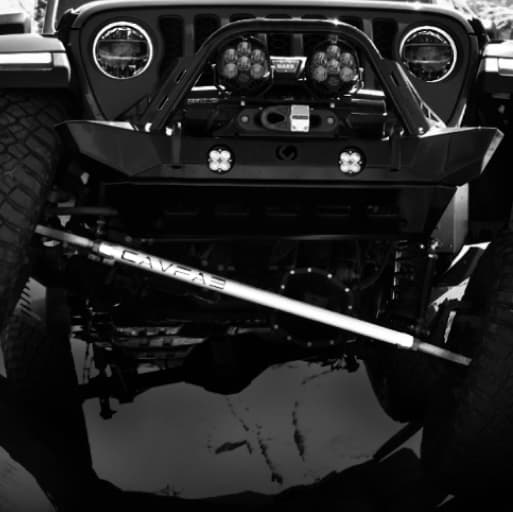
This matters if you're planning to build rather than just drive. We carry a couple of solid Jeep bumper options for the YJ, but its aftermarket footprint is smaller since the platform has been out of production since 1995.
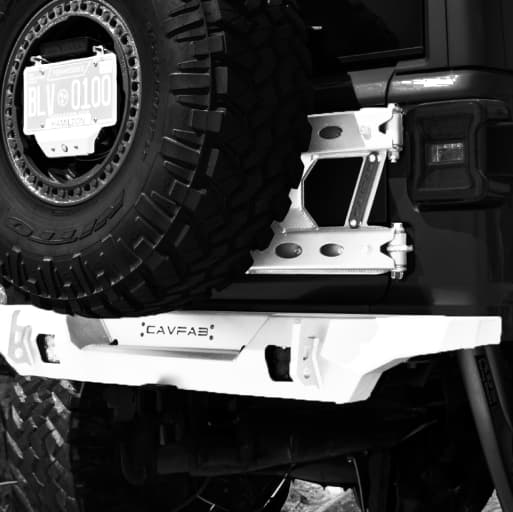
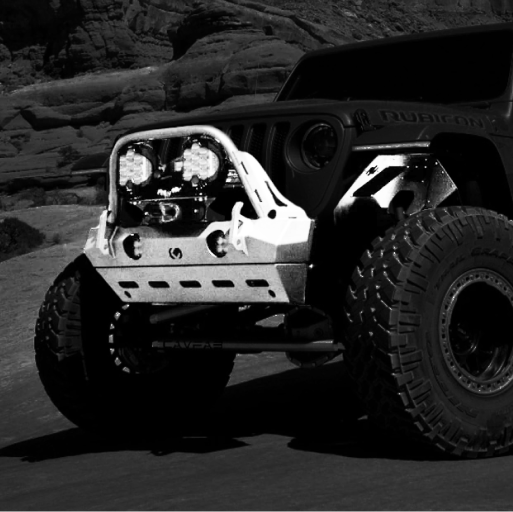
The TJ's longer run and coil-sprung chassis made it one of the most supported Jeep platforms out there, and from our experience, our own catalog reflects that with a much wider range of bumpers, Jeep armor, and Jeep skid plates for the TJ.
Jeep YJ or TJ: Which Should You Choose?
If serious off-roading is the priority, choose the TJ. Its coil spring suspension delivers better articulation and a smoother ride right out of the box, and it accepts modern lift kits and armor more readily than the YJ. After years in the industry building for both generations, we consistently see TJ owners reach a capable trail rig faster and with fewer workarounds.
The YJ still earns its keep. It's simpler to wrench on, cheaper to buy, and has that boxy, retro look that harkens back to the CJ days. It's a solid platform for a gradual, budget-friendly build if you're comfortable handling some of your own suspension work.
Think about how you'll actually use the Jeep. A dedicated rock crawler points toward the TJ. A weekend cruiser built up over time points toward the YJ. Either way, you're starting with a genuinely capable Wrangler.
Neither of these models speaking to you? Read our guides on JK vs JL Jeep and Jeep CJ7 vs CJ5.

Conclusion
The YJ and TJ each represent a different chapter in the Wrangler story, and neither is the wrong answer. The YJ brought stability to a lineup that needed it, while the TJ built on that foundation with coil springs and the Rubicon trim. From our experience working with owners across both platforms, the right choice comes down to budget, mechanical comfort, and how hard you plan to push it off-road.
Whichever generation you land on, CavFab is here to help you build it right. Our team knows these platforms inside and out, and we can help you find the Jeep parts that turn a stock YJ or TJ into a rig built for real trail work. Reach out to us and let's talk about your build.