


Hummer vs Jeep
Shopping for your first off-road vehicle can feel like standing at a fork in the trail. Two names keep coming up: Hummer and Jeep. Both trace back to military roots, and both promise to handle mud, rock, and sand without much fuss. Beyond that, the similarities start to fade fast.
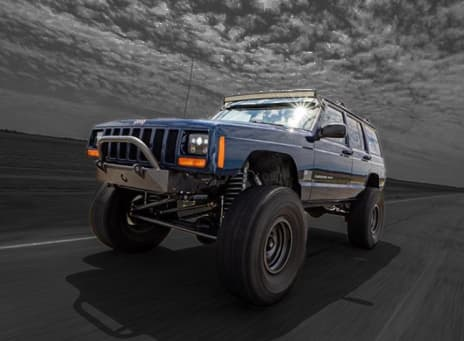
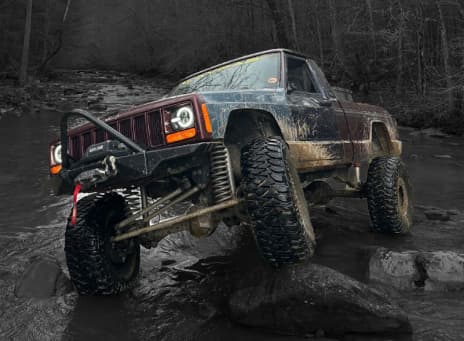
The Hummer vs Jeep debate has been going on for decades, and for good reason. One is built around size and brute strength. The other is built around agility and versatility. From our experience building Jeep off-road parts, the choice usually comes down to one question: do you want a vehicle built to overpower the trail, or one built to move through it? Here's how the two stack up.
Jeep vs Hummer: Main Features
Not all off-road capability looks the same. Here's how Jeep and Hummer compare on the features that actually matter on the trail:
1. Size and Maneuverability
Here's where the numbers surprise most first-time buyers. A 2-door Wrangler measures about 166.8 inches, or just under 14 feet, while a 4-door Wrangler Unlimited stretches to 188.4 inches, close to 15.7 feet. That's nearly identical to a Hummer H3's 186.7-inch length.
So overall length isn't really what separates the two. The real edge comes from wheelbase. The 2-door Wrangler's shorter wheelbase gives it a tighter turning radius and better breakover angle than either the H3 or its own 4-door sibling, which is what makes it the easiest of the bunch to thread through narrow trails and tight switchbacks.
2. Suspension and Drivetrain
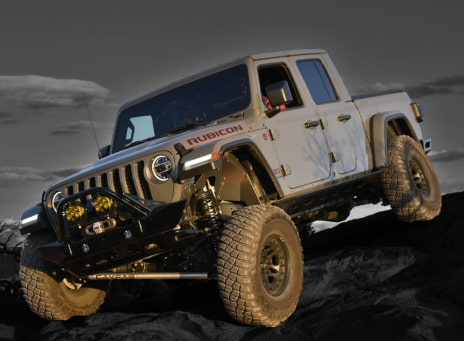
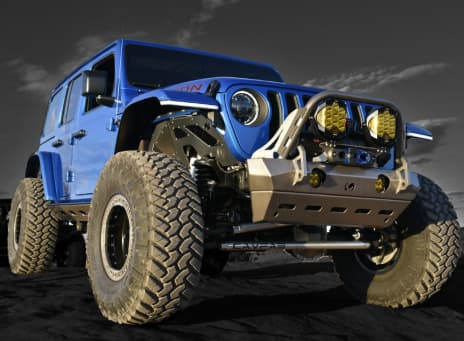
Wranglers run solid axles, especially on the Rubicon. That setup keeps both wheels on an axle planted and moving together, which is why Jeeps dominate rock crawling.
Hummers use independent suspension. It rides smoother on pavement, but it doesn't flex the same way over uneven rock. After extensively testing this product category ourselves, from axle assemblies to lift kits, we've found articulation is what separates a real trail rig from a good-looking one.

3. Engine and Power
The Hummer H3's five-cylinder engine makes around 242 horsepower, ahead of an older Wrangler V6's 200. But horsepower alone doesn't win a trail.
What matters more is how that power reaches the ground. Jeep's gearing and low-range transfer cases are built for technical terrain, not straight-line speed, and newer Wrangler trims have closed the power gap anyway while staying lighter.
4. Ground Clearance and Off-Road Geometry
Military Humvees post impressive ground clearance, and that height helps them ford water and clear large obstacles. But clearance isn't the full picture.
Approach angle, departure angle, and breakover angle matter just as much, and Jeep engineers the Wrangler's flares and bumpers around them. After years in the industry building underbody protection, we've seen a well-armored Wrangler match or beat taller vehicles on technical terrain simply because of its geometry.
5. Aftermarket Support and Customization
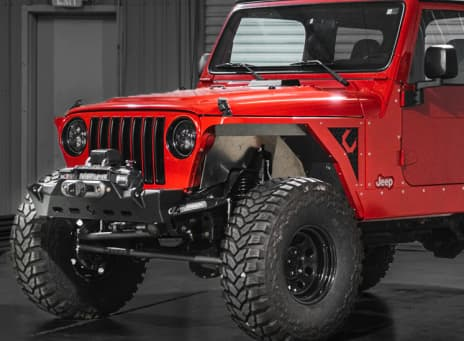
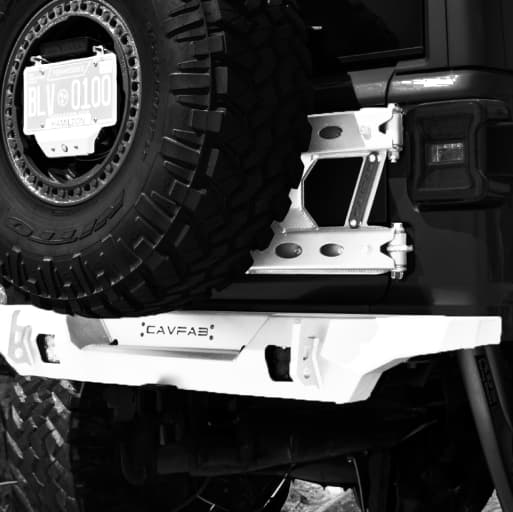
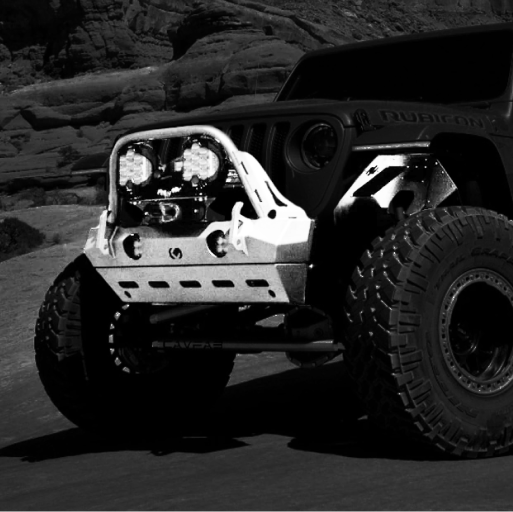
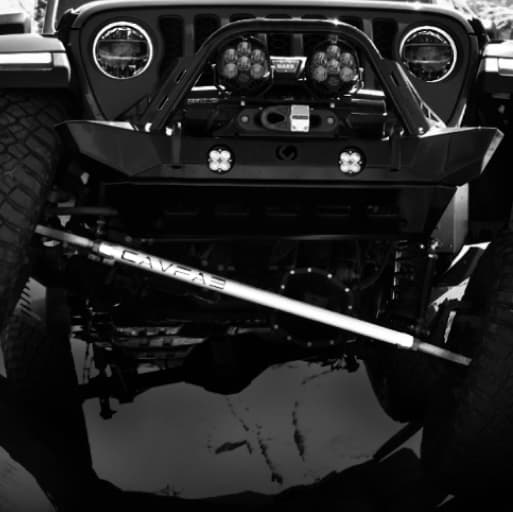
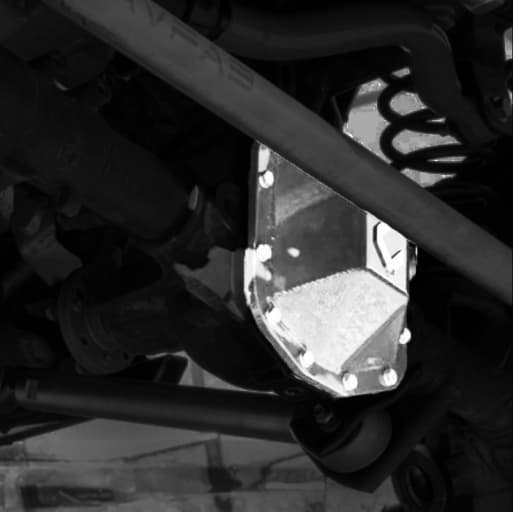
This is where the gap widens. Jeep has one of the largest aftermarket ecosystems in the industry, with lift kits, armor, winches, and axle upgrades for nearly every Wrangler generation. At CavFab, we build a lot of that gear ourselves, from Jeep skid plates to Jeep armor designed for real off-road use.
Hummer's aftermarket exists, but it's smaller, and parts for older models get harder to find every year now that the brand is discontinued. That depth lets a Wrangler become almost anything, from a rock crawler to a daily driver.
6. Cost of Ownership
Jeep wins on the wallet too. Wranglers cost less upfront, cost less to maintain, and hold their value thanks to steady demand.
Hummers tend to carry higher maintenance costs and steeper depreciation, especially since the brand stopped production years ago.

7. Payload and Towing
Hummers were built to haul, and it shows. Some models carry a payload of up to 5,100 pounds and tow more than most Jeeps can manage.
Wranglers max out closer to 3,500 pounds of towing capacity. That's plenty for a small trailer or a set of ATVs, but if you need to move heavy equipment regularly, the Hummer has the edge here.
8. Water Fording
Military Humvees can wade through deep water thanks to their height and sealed components. That capability carried over into the civilian H1, which handles flooded trails better than most vehicles on the road.
Wranglers can ford water too, just not as deep. For most trail conditions in the United States, a Jeep's fording depth is more than enough.
8. Technology and Infotainment
Modern Wranglers come with Jeep's Uconnect system and a Selec-Terrain traction system that adjusts automatically to the ground beneath you. It's built for drivers who want tech that actually helps off-road, not just on-road convenience.
Newer Hummer EV models lean into flashy features like hands-free driving assistance and underbody cameras. Impressive on paper, but that kind of tech adds cost and complexity that most off-road drivers don't need.
10. Fuel Efficiency
This one isn't close. A Wrangler typically returns better miles per gallon than a Hummer, especially against older H3 and H1 models built before fuel economy was much of a priority.
Lighter weight and smaller engines help the Jeep go further on a tank. Over years of ownership, that adds up to real savings at the pump.

11. Resale Value
Wranglers hold their value very well. Strong demand and a massive used inventory keep prices steady year after year.
Hummer's discontinued status works against it here. Parts scarcity and an aging model lineup mean depreciation tends to hit harder, even with the appeal of owning something rare.
Jeep or Hummer: Which Should You Choose?
|
Feature |
Jeep Wrangler |
Hummer |
|
Length |
About 11 feet |
About 15 feet |
|
Maneuverability |
Excellent on tight trails |
Limited by size |
|
Suspension |
Solid axles, high articulation |
Independent, smoother ride |
|
Ground clearance |
Lower, but better approach angles |
Higher, but bulkier |
|
Aftermarket support |
Extensive |
Limited |
|
Payload and towing |
Up to about 3,500 lbs |
Up to 5,100 lbs |
|
Fuel efficiency |
Better mileage |
Lower mileage |
|
Water fording |
Good |
Deeper capability |
|
Technology |
Trail-focused traction systems |
Advanced EV driver assistance |
|
Resale value |
Strong |
Weaker due to discontinued status |
|
Maintenance cost |
Lower |
Higher |
|
Best suited for |
Technical trails and daily driving |
Open terrain and deep water crossings |
A Hummer has real strengths. It's stable, imposing, and capable of wading through deep water that would stall most other vehicles. If your off-roading means open desert runs or hauling serious payload, that's worth factoring in.
But for most first-time buyers, the Jeep Wrangler is the smarter pick. It's more maneuverable on the trails drivers actually encounter, cheaper to buy and maintain, and backed by decades of aftermarket support.
Its solid axle setup and trail-tuned geometry give it the edge on technical terrain, and unlike Hummer, Jeep is still in full production, so parts and resale value aren't going anywhere.
Want to weigh up different vehicles? Read our guide on Jeep vs Bronco.

Jeep vs Hummer FAQs
Which is easier for a beginner to learn off-road?
The Wrangler tends to be more forgiving for new off-roaders. Its smaller size and tighter turning radius make it easier to judge distances and recover from mistakes on tricky terrain.
How do Jeep and Hummer handle in snow?
Both do well thanks to their 4x4 systems, but the Wrangler's lighter weight and more common all-terrain tire options often give it better traction in snow and ice compared to a heavier Hummer.
Is a Hummer or Jeep better for daily driving?
The Wrangler is the more practical daily driver. It's easier to park, gets better fuel economy, and doesn't carry the bulk that makes a Hummer feel cumbersome on regular roads.
Conclusion
Hummer and Jeep both earned their reputations honestly, born from military vehicles built to survive rough conditions. Hummer leans into size and brute strength. Jeep leans into agility and affordability, plus a level of trail capability that's hard to match once you start building it out.
From our experience helping drivers plan their builds, the Wrangler wins out for anyone who wants a rig that's fun on tight trails, easy to live with daily, and simple to upgrade over time.
Ready to build yours out? CavFab makes the Jeep parts that turn a stock Wrangler into a serious off-road machine.