


Best Tires for Jeep Wrangler
Factory tires get your Wrangler off the lot. They rarely match what you actually plan to do with it.
Maybe you're crawling rocks on the weekend. Maybe you're just doing the school run all week. Either way, the tire underneath your Jeep affects almost everything: ride comfort, fuel economy, and how confidently you climb that next ledge.
We build off-road parts for Jeep Wranglers and Gladiators for a living, so tires come up constantly. Here's how we walk customers through finding the best tires for Jeep Wrangler builds, whether they're headed to the trail or the daily commute.
How to Choose the Best Tires for Your Jeep Wrangler
Don't just grab the most aggressive-looking tire on the shelf. A handful of factors decide whether a tire actually works for your Jeep, and skipping any of them tends to cost you money or comfort down the road.
1. Tire Size and Fitment
Those sidewall numbers matter. A tire marked 245/75R17 breaks down like this: 245 is the tread width in millimeters, 75 is the aspect ratio (sidewall height as a percentage of width), R means radial, and 17 is the wheel diameter it mounts to.
Jeep owners usually skip the math and just talk in inches instead: a 33, a 35, a 40. That's the tire's overall height, and it's the easiest way to compare sizes across brands.
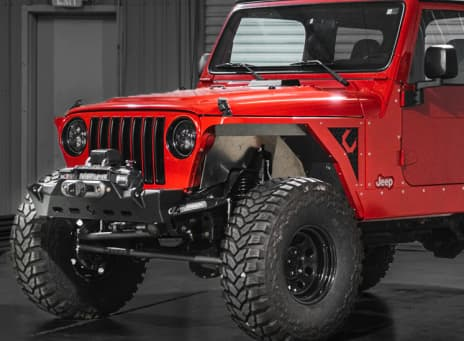
Sizing up isn't as simple as ordering bigger rubber, though. Larger tires can rub your fenders or frame, especially once your suspension flexes on the trail. You may need a lift or different wheel backspacing to make it work, and a bigger tire also changes your gearing and speedometer accuracy.
From our experience, most fitment headaches come from skipping this step entirely and assuming a 35 will just bolt on with no consequences.

2. Tire Type
This is the biggest decision you'll make, and it comes down to how you actually drive.
All-season tires suit Jeeps that mostly live on pavement. They're quiet, they last, and they handle wet roads and light winter weather well. If your idea of off-roading is a gravel driveway, this category covers you just fine.
All-terrain tires split the difference. Quiet enough for highway miles, aggressive enough to handle dirt, sand, and moderate rock. For a Wrangler that commutes all week and hits a trail on the weekend, this is usually the sweet spot, and it's the category we point most daily drivers toward.
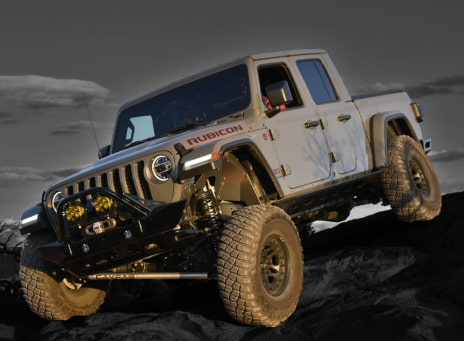
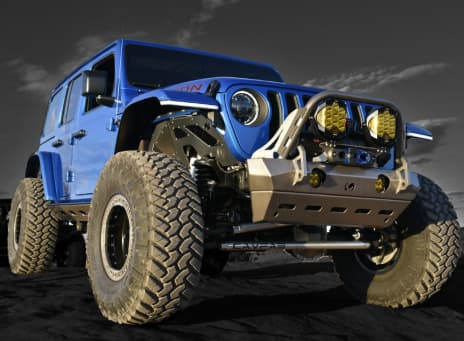
Mud terrain tires bring the deepest, chunkiest tread for clawing through soft ground and loose rock. They're louder on the highway, but after extensively testing this product category across several builds, we've found the newer mud tires are far quieter than their reputation suggests, especially once you stay on top of rotations.
3. Tread Pattern and Off-Road Traction
Beyond the broad category, look at the tread pattern itself. Wide voids between the lugs help a tire clear mud and dirt instead of packing it in solid, which keeps traction consistent as you climb. Reinforced shoulder blocks protect the sidewall from sharp rocks, and siping (those small slits cut into the tread) adds extra grip on wet rock or light snow.
Stone ejectors are another small detail worth checking. They're the little rubber bumps in the tread grooves designed to knock out embedded rocks before they can drill into the tire and cause a slow leak.

4. Load Range and Construction
Load range tells you how much weight and pressure a tire can safely handle. It matters more than most people think once you add Jeep armor, a winch, and recovery gear to your build, since all that extra weight puts more stress on the tire with every mile.
We see this firsthand with our own Jeep skid plates and Jeep bumper kits, which add real protection but also add pounds your tires need to carry day after day.
Look for reinforced or three-ply sidewalls if you're running rocky trails often. They resist punctures and tears far better than a standard sidewall, and they hold up better when you air down for extra traction.
5. Tread Life, Noise and Ride Comfort
Nobody wants to replace tires every year. Compound quality and tread design both affect how many miles you get, and so does keeping up with rotations on a regular schedule.
Noise matters too, especially if your Wrangler pulls daily driver duty. A tire that howls on the highway gets old fast, no matter how capable it is off-road. If comfort is a priority, check tread depth and treadwear ratings before you buy, since both give you a rough idea of how long a tire will last and how firm the ride will feel.

6. Weather and Climate
Where you live should shape this decision as much as where you wheel. If you deal with real winters, look for the three-peak mountain snowflake symbol. It signals a tire is certified for severe snow, not just labeled "all season" for marketing.
After years in the industry outfitting Jeeps across very different climates, we've learned the best tire on paper can be the wrong tire entirely if it doesn't match your weather. A tire that's perfect for a dry desert trail can feel unsafe on a wet mountain commute.
7. Budget and Value
Price matters, but the cheapest tire isn't always the best value. A budget mud terrain tire might save you money upfront and cost you more later in tread life or ride comfort. Weigh the price against tread warranty, load rating, and how many miles you expect to put on the tire before deciding.
8. Warranty and Brand Reputation
A manufacturer's warranty tells you a lot about how confident they are in their own product. Look for a treadwear warranty and check how the brand handles claims, since that policy can save you real money if a tire wears unevenly or fails early.
Established brands with a long track record in the Jeep community are usually a safer bet than an unfamiliar name with a rock-bottom price tag.

Jeep Wrangler Tire FAQs
What size tires can I fit on a stock Jeep Wrangler?
Most stock Wranglers handle up to a 33-inch tire without major modifications. Anything larger usually needs a lift and possibly a re-gear.
Are all-terrain or mud terrain tires better for a daily driver?
All-terrain tires are the better fit for daily driving. They're quieter, ride smoother, and still handle occasional trail use well.
Do I need a different tire for winter?
If you see real snow and ice, look for a tire carrying the three-peak mountain snowflake symbol. It's rated for severe snow, unlike a standard all-season tire.
How often should I rotate my Jeep's tires?
Every 5,000 to 7,500 miles is a good rule of thumb. Regular rotation helps aggressive tread patterns wear evenly and last longer.
Does tire size affect my Jeep's gas mileage?
Yes. Larger, heavier tires typically lower fuel economy since they add rolling resistance and rotating mass.
Conclusion
There's no single best tire for every Wrangler, and that's part of what makes building one fun. Your ideal setup comes down to size and fitment, tread type, load range, climate, and how much you're willing to spend.
Get those right, and every drive gets better, whether that's a rocky trail or a rainy commute.
Not sure where to start? At CavFab, we’ve spent years helping Jeep owners build rigs that perform the way they want. Picking the right Jeep parts starts with getting your tires and fitment right, so reach out to our team and let's build a Wrangler that's ready for whatever comes next.