


Best Jeep to Buy
Shopping for a used Jeep is exciting and a little overwhelming at the same time. The badge carries decades of off-road credibility, but not every model wearing it deserves a spot in your driveway. Some Jeeps shrug off 250,000 miles without blinking. Others rack up trips to the shop before they hit six figures.
From our experience building performance parts for off-road builds, we've taken apart, upgraded, and stress-tested nearly every Jeep platform on the market, and that hands-on time has taught us a lot about which used Jeeps are worth your money.
This guide walks through the best Jeep to buy, the ones we'd steer you away from, and the factors that matter most when you're trying to land on the right rig for your budget and your trails.
Top 5 Best Jeeps to Buy Used
We've narrowed it down to the five models that consistently earn their keep on the used market, whether you're after a hardcore trail rig or a comfortable daily driver. Here's why each one deserves a spot on your shopping list:
1. Jeep Wrangler
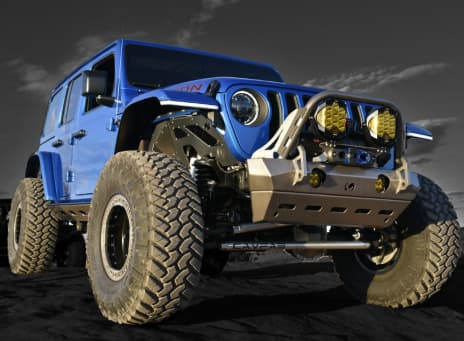
The Wrangler is the Jeep that started it all, and it remains the gold standard for the best Jeep for off roading. Its body-on-frame construction, solid axles, and available manual transmission make it a favorite among enthusiasts who want a vehicle they can wrench on and modify for years to come.
After years in the industry, we've seen Wranglers roll into our shop with 200,000 miles on the odometer and still perform like they just left the factory floor, provided the previous owner kept up with fluids and suspension components.
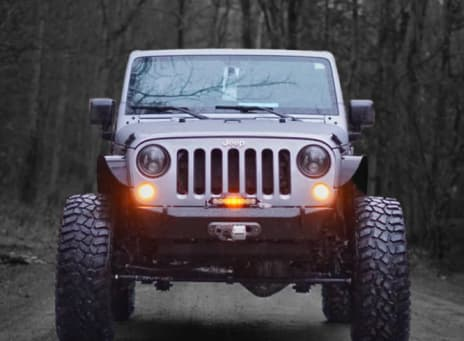
If you want a Wrangler with everyday livability, look for a 2018 or newer JL model, which improved ride quality, technology, and cabin comfort over the older JK generation. If you're chasing value, though, a JK from 2007 to 2017 still holds its price remarkably well on the used market and offers nearly the same trail capability for less money.
Either way, the Wrangler's massive aftermarket support means you'll never struggle to find upgrades, whether you're after bigger tires, a lift kit, or armor for the rocks.

2. Jeep Grand Cherokee
If you want Jeep capability without giving up daily comfort, the Grand Cherokee might be the best Jeep model for you. This is a unibody SUV that trades some of the Wrangler's raw trail toughness for a smoother ride, a nicer cabin, and real towing muscle.
Models from the WK2 platform, built between 2011 and 2019, tend to be the sweet spot. They pair a sturdy unibody with proven four-wheel-drive systems like Quadra-Trac II and a dependable ZF-sourced eight-speed automatic in the newer years.
After extensively testing this product line for off-road builds, we've found the Grand Cherokee handles moderate trails with ease while still being comfortable enough for a long highway commute.
Engine options range from the workhorse 3.6-liter V6 to the throaty 5.7-liter HEMI V8, so there's a configuration for buyers who prioritize efficiency and for those who want power in reserve for towing a trailer or a boat.
3. Jeep Cherokee
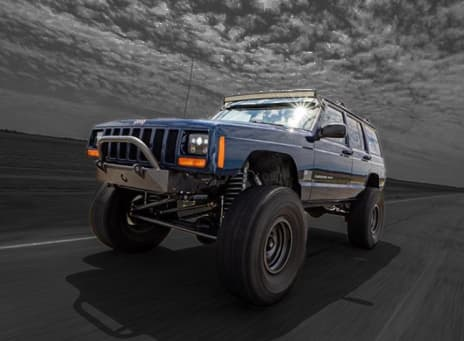
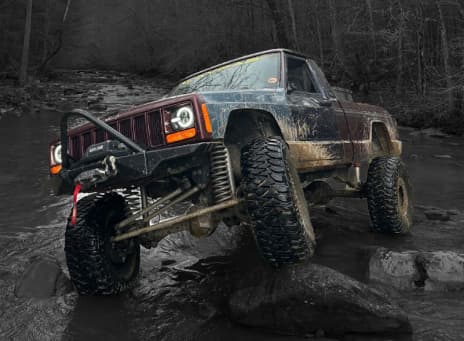
The Cherokee nameplate covers two very different eras, and both have their fans. The classic XJ, built from 1984 to 2001, is a favorite among off-road purists thanks to its simple mechanical layout and the legendary 4.0-liter inline-six engine, which is about as close to bulletproof as an engine gets. Fewer electronics mean fewer things to fail, and that simplicity is a big reason why so many XJs are still running strong past 250,000 miles.
The newer KL generation, produced from 2014 onward, swaps that old-school toughness for modern comfort and tech, and the 2016 to 2020 model years in particular represent a nice balance of reliability and features.
If you want an affordable entry point into Jeep ownership that won't eat your wallet with fuel costs, the Cherokee deserves a spot on your test-drive list.

4. Jeep Compass
The Compass isn't the vehicle you buy for hardcore rock crawling, but it earns its spot on this list as a budget-friendly, city-friendly option with genuine all-wheel-drive capability. Reliability took a noticeable step forward starting with the second-generation redesign in 2017, and models from that point through 2022 tend to be far more dependable than the earlier versions.
The Trailhawk trim adds useful off-road hardware like Selec-Terrain traction management, so even the smallest Jeep in the lineup can handle a moderately rough trail. If your priority is an affordable, efficient daily driver that can still take you camping on the weekend, a later-model used Compass is worth cross-shopping.
Want to learn more? Check out our guide on what is the best Jeep of all time.
5. Jeep Gladiator
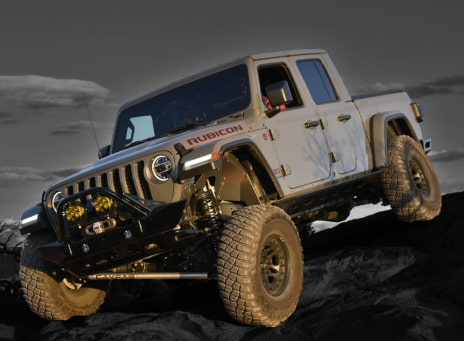
For buyers who need a truck bed alongside their off-road capability, the Gladiator is the only Jeep that fits the bill. It shares its front end and much of its chassis with the Wrangler, which means it inherits the same rugged 4x4 hardware, solid axles, and available manual transmission.
What sets it apart is that five-foot bed and a rear suspension borrowed from the Ram 1500, which gives it a noticeably smoother ride than a standard Wrangler. Towing capacity is a genuine strength here, with the base 3.6-liter V6 rated to pull up to 7,650 pounds, more than any other Jeep in the lineup.
If your off-road adventures involve hauling gear, dirt bikes, or camping equipment, the Gladiator gives you cargo flexibility that the rest of the Jeep family simply can't match.

Are There Any Jeep Models to Avoid Buying Used?
A few Jeep models are worth avoiding on the used market. The Jeep Liberty from 2002 to 2007 has a well-documented history of window regulator failures and suspension trouble. The Jeep Commander from 2006 to 2008 combines poor fuel economy with electrical gremlins and engine issues that tend to compound as mileage climbs.
The Renegade from 2015 to 2016 also earns a spot on the list, with early transmission failures and electrical quirks that later model years largely resolved.
Beyond specific models, Jeep as a brand has struggled with reliability scores overall, ranking near the bottom among mainstream automakers in independent testing.
That doesn't mean every Jeep is a bad buy. It means you need to be selective about which model and which model year you choose, and you should lean toward the vehicles we outlined above rather than assuming any Jeep with the right badge will hold up.
How to Choose the Best Jeep for You
Once you've narrowed down which model interests you, a handful of practical factors will help you separate a good used Jeep from a great one. Here's what we'd tell a friend to check before signing anything:
1. Intended Use
Think honestly about how you'll actually use the vehicle before you fall in love with a listing photo. A Wrangler or Gladiator makes sense if weekend trail runs and serious off-roading are the priority. A Grand Cherokee or Cherokee makes more sense if you need a comfortable daily driver that can still handle moderate trails and rougher weather.
Buying more off-road capability than you'll ever use just means dealing with a stiffer ride and worse fuel economy for no real benefit.

2. Upgradability
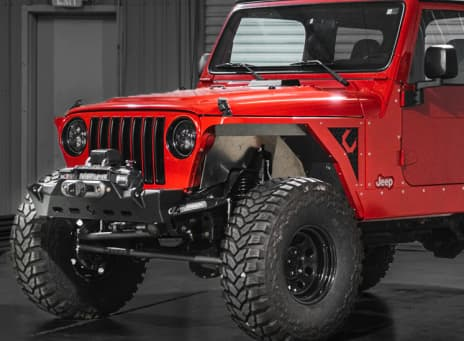
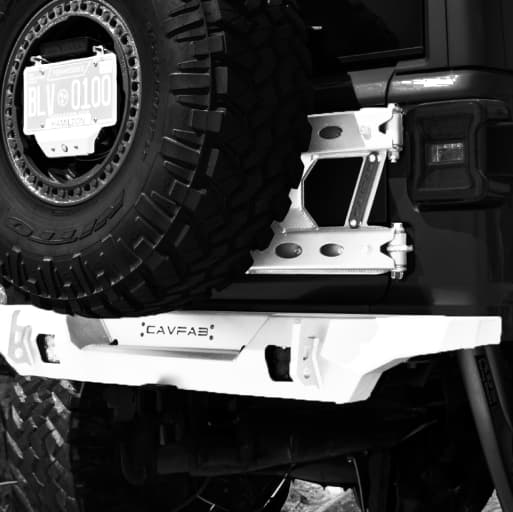
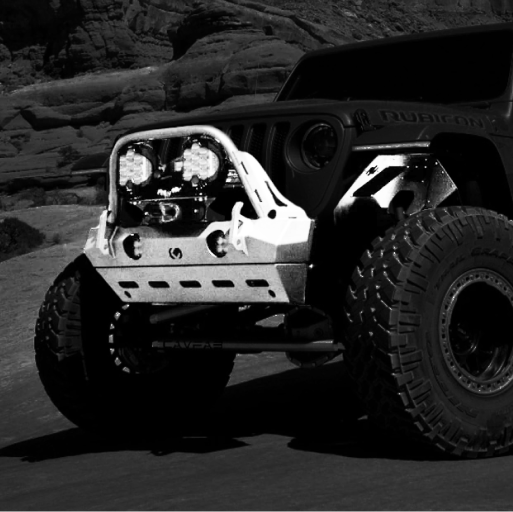
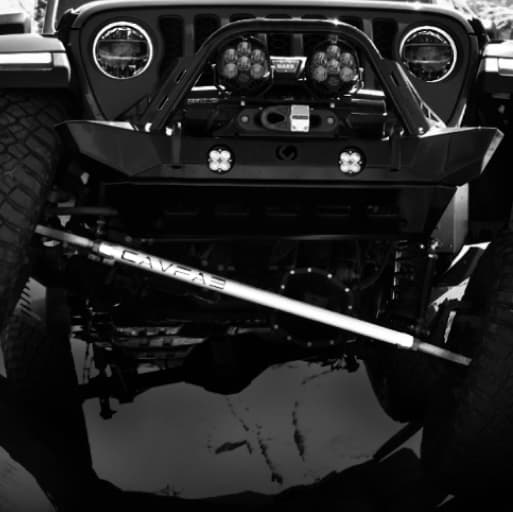
If you're planning to build on your Jeep down the road, upgradability matters. Solid-axle platforms like the Wrangler and Gladiator are far easier to modify than a unibody Grand Cherokee, which is why we build our CavFab kits, including Jeep bumpers and Jeep armor, specifically for those platforms. A used Jeep with strong aftermarket support will keep pace with your build for years to come.
3. Model Year and Generation
Not all model years within a nameplate are created equal. Jeep made real improvements to technology, transmission reliability, and build quality at specific points in each model's life cycle, so it pays to research the generation before you fall for a specific listing.
A 2018-or-newer Wrangler JL rides and drives differently than an older JK, and a second-generation Compass built after 2017 is a different animal from the rocky first few years of that model.
4. Maintenance History and Mileage
A used Jeep with complete service records and 150,000 miles is almost always a better bet than one with a mystery history and half the mileage. Ask for documentation on oil changes, transmission service, and any 4WD system maintenance.
In our experience working on off-road builds, the Jeeps that go the distance are the ones whose owners stayed on top of fluid changes and suspension checks, not necessarily the ones that spent the least time on the trail.
5. Rust and Undercarriage Condition
If you're shopping in a region that salts the roads in winter, get underneath the vehicle before you buy. Rust on the frame, suspension mounts, or brake lines can turn a good deal into an expensive project fast, and it's one of the more common reasons an otherwise solid used Jeep gets passed over.

Conclusion
There's no single "best" Jeep for every buyer, but there are clear standouts once you know what to look for. The Wrangler remains the benchmark for durability and trail capability, but the rest of the lineup proves there's a solid used Jeep out there, no matter what you need it for.
Whatever you choose, the used Jeep market rewards buyers who do their homework on model years, service history, and rust. Get that part right, and you'll end up with a Jeep that's ready for years of adventure, not years of repair bills.
Once you've found your Jeep, we're here to help you build it into what you actually want. Check out CavFab's lineup of Jeep parts, including bumpers and armor designed for real trail use, and let's get your rig ready for the next adventure.