


Best Jeep
Ask ten Jeep owners to name the best Jeep, and you'll probably get ten different answers. That's because the right Jeep depends entirely on how it's used.
Some buyers spend weekends crawling over rocks. Others prioritize overlanding, towing, daily driving comfort, or long-term modification potential.
What remains consistent is that Wrangler and Gladiator models dominate among off-road enthusiasts. Their combination of factory capability, aftermarket support, and nearly unlimited upgrade potential makes them the foundation for many of the most capable builds on the trail today.
Quick Comparison: The Best Jeep Models
|
Model |
Best For |
Starting Point for Modifications |
Off-Road Rating |
|
Wrangler Rubicon |
Maximum trail capability |
Excellent |
Excellent |
|
Wrangler Willys |
Budget-friendly off-road builds |
Excellent |
Very Good |
|
Gladiator Rubicon |
Trail capability plus truck utility |
Excellent |
Excellent |
|
Gladiator Mojave |
Desert driving and overlanding |
Excellent |
Very Good |
|
Grand Cherokee Trailhawk |
Comfort and versatility |
Moderate |
Good |
|
Wrangler Sport |
Fully custom builds |
Excellent |
Good |
These rankings focus primarily on off-road enthusiasts and owners interested in long-term platform potential rather than luxury features or on-road performance alone.
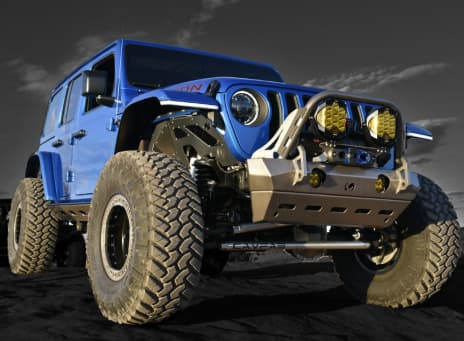
Best Overall Jeep: Jeep Wrangler Rubicon
The Jeep Wrangler Rubicon remains the benchmark against which many off-road vehicles are measured.

Why It Stands Out
The Rubicon comes from the factory with hardware that many enthusiasts spend years adding to lesser-equipped vehicles.
Its strengths include:
-
Locking differentials.
-
Rock-Trac transfer case.
-
Electronic sway bar disconnect.
-
Proven trail capability.
-
Strong resale value.
Potential Drawbacks
The Rubicon's biggest downside is cost. Many owners never fully use the lockers, gearing, and trail-focused hardware they pay for. For some drivers, a lower trim with carefully selected upgrades delivers better value.
Why Builders Love It
The Rubicon provides one of the strongest factory foundations available in the off-road market.
Larger tires, advanced suspension systems, axle upgrades, and armor packages all integrate naturally into the platform. Because the Rubicon already includes premium drivetrain components, owners can focus their modification budget elsewhere.
It's also supported by one of the largest aftermarket ecosystems in the automotive industry.
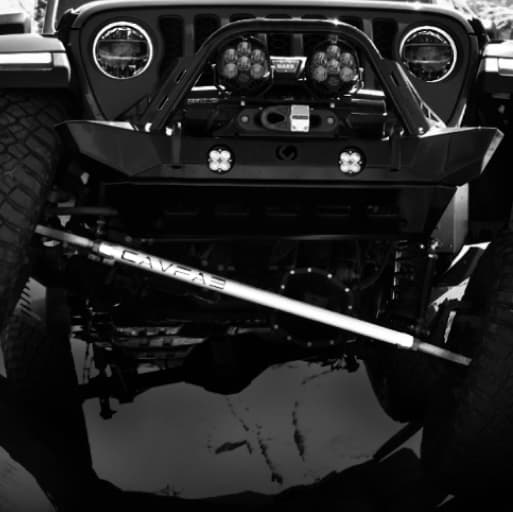
Many owners eventually strengthen their rigs with upgraded Jeep suspension, Jeep control arms, Jeep track bars, Jeep armor, and Jeep skid plates as trail difficulty increases.
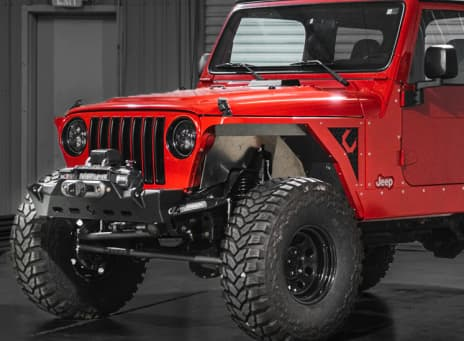
Best Jeep for Custom Builds: Jeep Wrangler Sport or Willys
For many experienced builders, the best Jeep isn't the one with the most factory equipment. It's the one that leaves room in the budget for better upgrades.
Why It Stands Out
The Wrangler Sport and Willys offer exactly that opportunity.
Key advantages include:
-
Lower purchase prices.
-
Huge aftermarket support.
-
Freedom to choose upgrades individually.
-
Excellent long-term build potential.
Potential Drawbacks
The tradeoff is obvious. Sport and Willys trims lack some of the trail hardware found on the Rubicon. That means owners planning immediate technical trail use may need to invest in modifications sooner.

Why It Makes Sense for DIY Builders
A lower initial purchase price allows builders to focus on high-quality upgrades rather than factory compromises. Some prioritize suspension travel. Others focus on steering strength, armor, recovery equipment, or tire clearance.
Many successful builds start with:
-
Heavy-duty steering upgrades.
-
Long-arm or advanced suspension systems.
-
Full armor packages.
-
Skid plate systems.
-
Stronger bumpers and recovery points.
As tire sizes increase, steering geometry becomes increasingly important. Poorly designed lift systems often create vague steering, accelerated component wear, and unpredictable handling.
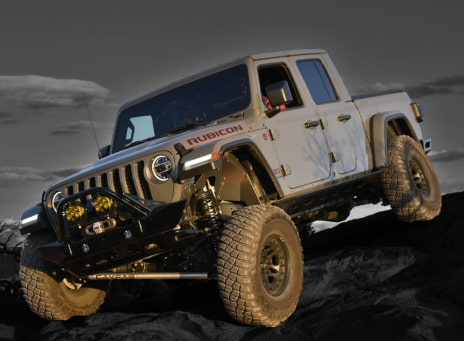
Best Jeep Truck: Jeep Gladiator Rubicon
The Gladiator Rubicon combines serious off-road capability with pickup truck utility.
Why It Stands Out
The JT platform gives owners capabilities that traditional Wranglers simply can't match.
Advantages include:
-
Pickup truck utility.
-
Strong towing capability.
-
Excellent trail performance.
-
Shared Wrangler DNA.
Potential Drawbacks
The Gladiator's longer wheelbase affects maneuverability and breakover angle. Drivers transitioning from Wranglers often notice those differences immediately on technical trails.
Why It Works for Off-Roaders
The Gladiator Rubicon has become one of the most popular overlanding platforms available. Its cargo capacity allows owners to carry gear, recovery equipment, tools, and supplies without sacrificing passenger space.
Many owners eventually reinforce their trucks with Gladiator parts, upgraded steering systems, Jeep armor, Jeep skid plates, and Jeep Gladiator front bumpers as build complexity increases.
The JT platform also offers advantages that become more obvious as builds grow.
The longer wheelbase improves stability on steep climbs and rough terrain, while the truck bed gives owners space for recovery gear, tools, spare parts, camping equipment, and fuel without sacrificing passenger comfort.
That combination helps explain why the Gladiator Rubicon has become one of the most popular foundations for overland and adventure builds.

Best Jeep for Desert Running: Jeep Gladiator Mojave
The Mojave exists because not all off-road driving happens at crawling speed.
Why It Stands Out
Jeep engineered the Mojave specifically for higher-speed off-road terrain.
Its strengths include:
-
FOX internal bypass shocks.
-
Excellent ride quality at speed.
-
Strong overlanding potential.
Potential Drawbacks
The Mojave isn't as specialized for technical rock crawling as the Rubicon. Drivers who spend most of their time on difficult obstacles may prefer the Rubicon's hardware package.
Who Should Buy It
The Mojave works particularly well for:
-
Desert drivers.
-
Overlanders.
-
High-speed trail users.
Best Jeep for Comfort: Grand Cherokee Trailhawk
The Grand Cherokee Trailhawk proves that a Jeep doesn’t need solid axles and aggressive tires to be capable off-road. It blends daily-driver comfort with enough trail capability to handle dirt roads, moderate trails, snow, and backcountry travel.
Why It Stands Out
The Trailhawk gives drivers a more comfortable ownership experience than a Wrangler or Gladiator while still delivering real Jeep capability.
Its strengths include:
-
Comfortable ride quality.
-
Advanced technology package.
-
Strong on-road manners.
-
Surprisingly capable off-road performance.
Potential Drawbacks
The Trailhawk lacks the aftermarket support, modification potential, and long-term build flexibility that make Wrangler and Gladiator models so popular among enthusiasts. It can handle real trail use, but it isn’t the same kind of blank canvas for suspension, steering, armor, and tire upgrades.
Who Should Buy It
Drivers who spend most of their time on pavement but still want genuine off-road capability will appreciate the Trailhawk’s balance of comfort, technology, and versatility.
It’s the best fit for owners who want a refined daily driver that can still handle rough weather, dirt roads, and weekend trail use without turning every commute into a reminder that they bought a trail rig.

What Makes a Jeep Better for Long-Term Ownership?
The best Jeep is the Jeep that still makes sense five years later, after tire size grows, trail difficulty increases, and the owner starts asking more from the platform.
This is where Wrangler and Gladiator models consistently separate themselves from most competitors. Capability matters, but adaptability matters more. A Jeep that can evolve alongside its owner delivers far more value than one that reaches its limits early.
Aftermarket Support
A strong aftermarket gives owners flexibility long after the original purchase.
Benefits include:
-
Better parts availability.
-
Extensive community knowledge.
-
Proven build guides.
-
Easier troubleshooting.
The Jeep community has spent decades solving common problems and refining popular upgrades. Whether an owner wants more articulation, stronger steering, improved protection, or better ride quality, chances are someone has already tested multiple solutions.
That support network becomes increasingly valuable as vehicles age. Replacement parts remain easy to find, technical information remains widely available, and upgrade paths continue expanding.
Suspension Upgrade Potential
Suspension upgrades aren't simply about adding lift height. They determine how well a Jeep handles larger tires, additional cargo, armor, recovery gear, rooftop tents, and the countless modifications that tend to accumulate over years of ownership.
Many owners discover that their first lift creates a chain reaction. Larger tires increase steering loads. Added weight affects ride quality.
Increased ride height changes control arm geometry and axle positioning. A Jeep that felt stable at stock height can quickly develop handling issues if those changes aren't addressed properly.
Platforms like the Wrangler and Gladiator stand out because they have extensive support for Jeep suspension, Jeep control arms, and Jeep track bars that help owners correct geometry rather than simply increasing ride height.
The best suspension upgrades improve capability without sacrificing control. That's what keeps a build enjoyable years after the initial modifications.
IMAGE 6. Alt tag “Modified Jeep Wranglers navigating a rocky canyon trail, showcasing off-road capability often found in the best Jeep models.”
Steering Strength
Larger tires create significantly more leverage throughout the steering system. As traction increases and obstacles become more demanding, tie rods, drag links, track bars, and steering components experience greater loads than they were originally designed to handle.
A Jeep running larger tires needs steering components that can manage those additional forces while maintaining precise control. That's especially true for vehicles that spend time on rocks, rough trails, and uneven terrain, where steering components absorb repeated impacts.
Many experienced builders prioritize steering upgrades earlier than newer owners expect because confidence behind the wheel depends on predictable steering behavior.
Armor And Protection
A slightly misplaced tire can contact a rocker panel. A hidden ledge can strike a transfer case skid. A steep breakover can drag vulnerable components across a rock shelf. These situations happen to experienced drivers just as often as beginners.
That's why protection systems become one of the smartest long-term investments.
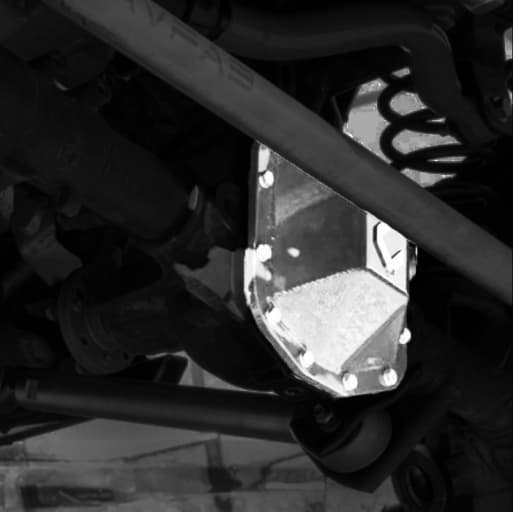
Properly designed Jeep skid plates, Jeep armor, and differential protection help prevent minor trail mistakes from becoming expensive repairs.
Protection becomes even more important as vehicles get heavier. Added gear, larger tires, armor, camping equipment, and recovery tools all increase the consequences of underbody impacts.
Tire Clearance And Future Growth
The best Jeep platforms support growth.
Owners can move from mild trail use to overlanding. They can transition from overlanding into more technical terrain. They can add armor, larger tires, suspension upgrades, and recovery equipment without needing to rebuild the entire vehicle.
That's one reason Wrangler and Gladiator platforms continue dominating the enthusiast market. Their flexibility allows owners to adapt the vehicle as their experience grows and their goals change.
A Jeep that evolves alongside its owner usually becomes the Jeep that stays in the garage the longest. That's ultimately what makes a platform great over the long haul.
Conclusion
The best Jeep is often the one that can grow alongside its owner. That's why Wrangler and Gladiator platforms continue to dominate among enthusiasts.
Their unmatched aftermarket support, proven capability, and ability to accept upgraded steering, suspension, armor, protection systems, and recovery equipment make them some of the most adaptable off-road platforms ever built.
At CavFab, we build American-made Jeep parts for owners who expect their vehicles to work hard. From Jeep suspension and steering components to Jeep armor and Jeep bumpers, we focus on strength, fitment, and durability that continue delivering long after the first trail ride.