


2025 Jeep Wrangler vs the Competition
The 2025 Jeep Wrangler vs. the competition conversation comes down to real-world capability and how far each platform can go once you start modifying it.
Today, let's break down the 2025 Wrangler, Bronco, and 4Runner and see how they stack up across off-road performance, daily driving, strength, and build potential – so you can make a decision that actually holds up on the trail.
What this article covers:
- Quick Comparison: Wrangler vs Bronco vs 4Runner
- Off-Road Capability
- Ride Quality And Daily Driving
- Strength And Durability
- Aftermarket Support And Customization
- Bumpers, Armor, And Build Potential
- Price and Value
Quick Comparison: Wrangler vs Bronco vs 4Runner
All three (2025 Wrangler, Ford Bronco, and Toyota 4Runner) target off-road buyers, but they approach the problem differently. One is purpose-built for articulation, one leans into modern comfort, and one sticks to proven durability.
|
Feature |
Jeep Wrangler |
Ford Bronco |
Toyota 4Runner |
|
Price |
Starts ~ $32K |
Starts ~ $39K |
Starts ~ $41K |
|
Engine Options |
V6, Turbo 4, 4xe Hybrid |
Turbo 4, V6 |
V6 Only |
|
Suspension Type |
Solid Axles Front/Rear |
IFS Front, Solid Rear |
IFS Front, Solid Rear |
|
Ground Clearance |
Excellent |
Very Good |
Good |
|
Off-Road Features |
Lockers, Sway Disconnect |
GOAT Modes, Lockers |
Crawl Control |
The Wrangler enters at a lower price point while still offering serious off-road hardware. The Bronco adds more tech and refinement, and the 4Runner focuses on reliability over innovation.

Off-Road Capability
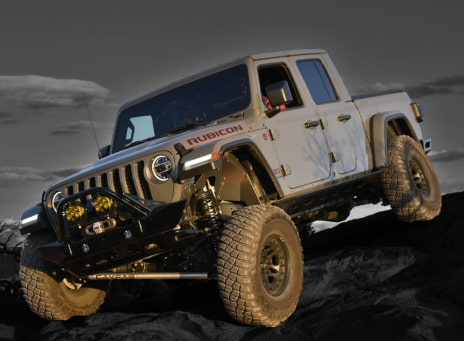
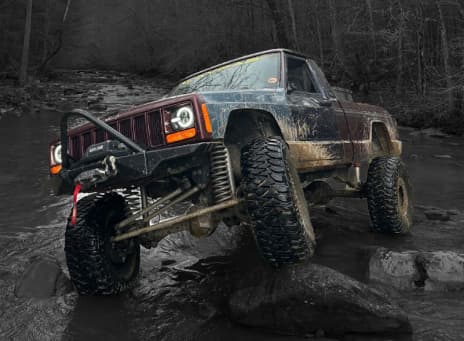
The 2025 Wrangler runs solid axles front and rear across all trims. That design allows both axles to articulate together, which keeps contact patches planted when one corner drops into a hole or climbs over a rock.
On Rubicon trims, you're also getting electronic sway bar disconnects, front and rear lockers, and 4:1 low range, which is purpose-built for slow, technical crawling.
The 2025 Bronco uses independent front suspension paired with a solid rear axle. That setup gives it better stability at speed, especially in desert-style terrain, and it handles washboard roads more smoothly.
It still offers lockers and low-range gearing, but the front suspension limits articulation compared to a solid axle setup.
The 2025 4Runner sticks with independent front suspension and a solid rear axle as well. TRD Pro and Off-Road trims include Crawl Control, Multi-Terrain Select, and a rear locker, but the platform doesn't flex as well as the Wrangler and doesn't carry the same level of factory hardware for rock crawling.
Verdict
The Wrangler wins for technical off-roading.
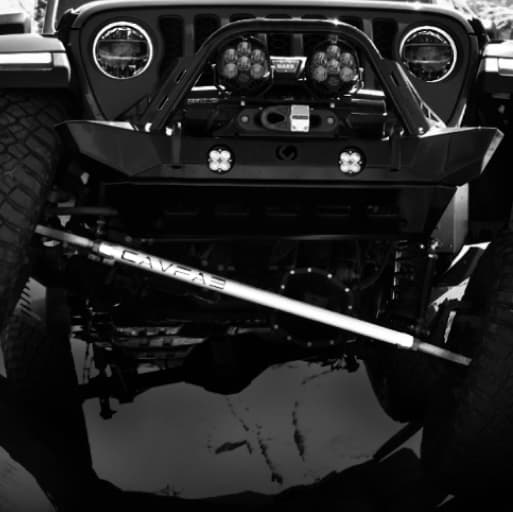
Even with strong factory capability, serious trail use pushes limits. That's where properly tuned Jeep suspension and stronger Jeep track bars come into play. Those upgrades maximize articulation and steering control, which is where the Wrangler already has the advantage.
Ride Quality And Daily Driving
The 2025 Wrangler uses a body-on-frame design with solid axles and relatively short control arms from the factory. That leads to more road feedback, especially over uneven pavement. Wind noise is still present due to removable tops and doors, even with improvements in newer models.
The 2025 Bronco benefits from independent front suspension and a wider track width. It absorbs bumps more effectively, tracks straighter at highway speeds, and feels more planted overall. Interior refinement is also stronger, with better sound insulation and more modern ergonomics.
The 2025 4Runner rides softer than the Wrangler but feels older in design. The suspension is tuned for comfort and durability rather than performance, and the interior hasn't kept pace with newer platforms.

Verdict
The Bronco wins for daily comfort.
Strength And Durability
Durability comes down to how each platform handles stress under load, especially when you start pushing into harder terrain.
The Wrangler's solid axles are inherently strong because they distribute load across the axle housing instead of relying on multiple joints and control arms like IFS systems. That simplicity helps when you're dealing with impacts, uneven terrain, or large tires.
The Bronco's independent front suspension introduces more components like CV joints, control arms, and steering knuckles. It's strong for its design, but it's also more complex, which can become a factor under repeated hard use.
The 4Runner is known for long-term durability. Its platform has been around for years, and while it's not cutting-edge, it's consistent and proven across high-mileage builds.
Verdict
The Wrangler and 4Runner lead.
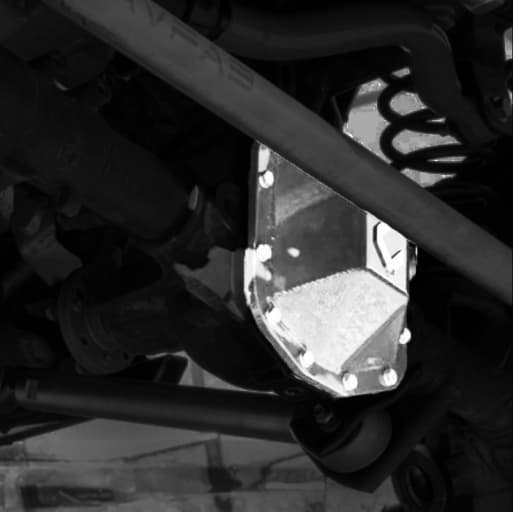
Off-road driving puts real stress on underbody and drivetrain components, which is why many Wrangler builds include a reinforced diff cover, full Jeep skid plates, and added Jeep armor to protect critical systems.
Aftermarket Support And Customization
The Wrangler has one of the largest aftermarket ecosystems in the automotive space. Platforms like TJ, JK, JL, and JT have been supported for decades, which means proven solutions exist for everything from mild upgrades to full custom builds.
The Bronco aftermarket is growing quickly, but it's still newer. Options exist, but long-term testing and variety are still catching up.
The 4Runner has solid aftermarket support, especially for overlanding, but it doesn't offer the same level of flexibility for extreme builds or heavy modification.
Verdict
The Wrangler wins easily.
The Wrangler's biggest advantage is its unmatched aftermarket support. Owners can build everything from mild trail rigs to fully armored setups using Jeep Wrangler parts. That flexibility is a big reason it's widely considered the most customizable off-road SUV.

Bumpers, Armor, And Build Potential
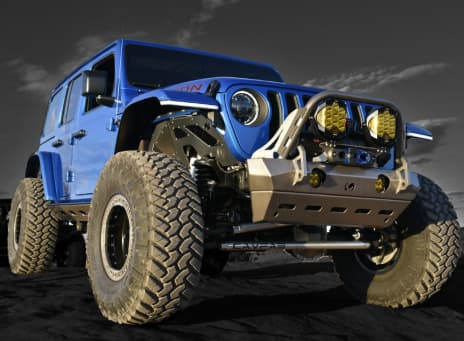
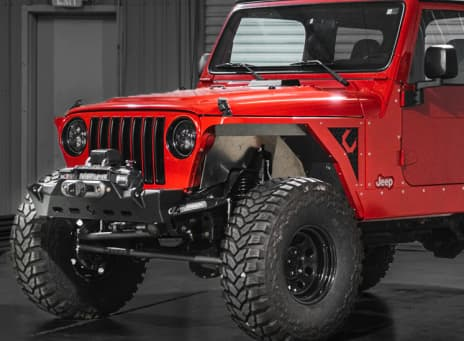
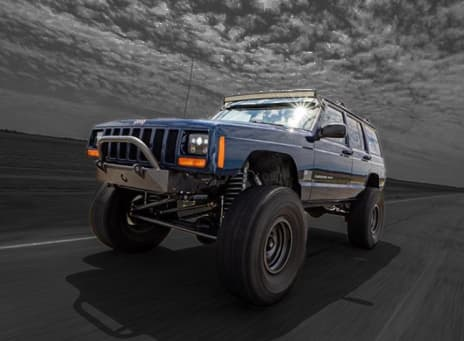
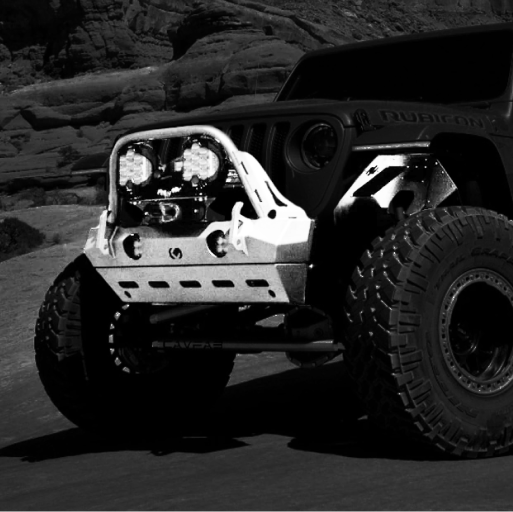
The Wrangler offers the widest range of functional upgrades. High-clearance bumpers, reinforced fenders, and underbody protection are widely available and designed specifically around the platform.
The Bronco is improving, but heavy-duty options are still limited compared to what's available for the Wrangler. The 4Runner sits in the middle, with solid support but fewer extreme-use options.
Verdict
The Wrangler is the best build platform.
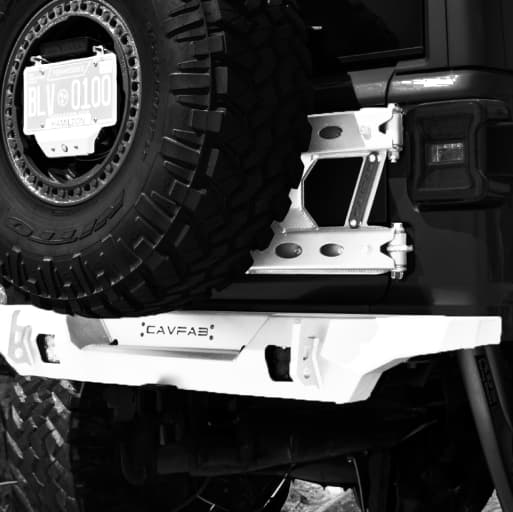
The Wrangler supports a full range of Jeep front bumpers and Jeep rear bumpers designed for recovery, clearance, and protection.
As builds get more aggressive, upgrades like high-clearance bumpers, reinforced fenders, and underbody protection become essential for both performance and long-term durability.
Price and Value
Pricing plays a major role, especially if you're planning to modify.
The Wrangler starts at a lower base price and holds resale value extremely well. That makes it a strong long-term investment, especially for buyers who plan to upgrade components over time.
The Bronco sits in the middle with competitive pricing and strong features. The 4Runner starts higher but brings a reputation for longevity that appeals to certain buyers.
Verdict
The Wrangler offers strong long-term value.
Within the conversation around best Jeep Wrangler options and best Jeep Wrangler years, the 2025 model stands out as one of the strongest modern platforms for both capability and customization.
Conclusion
Each of these SUVs does something well, but they're built with different priorities. The Bronco focuses on comfort and modern features. The 4Runner sticks to proven durability. The Wrangler prioritizes capability and customization. For builders, that last point matters most.
If you want a platform that adapts to your needs and supports serious upgrades, the Wrangler stands alone. If the Wrangler calls to you, you can also compare the 2026 Jeep Wrangler vs 2025.
CavFab backs the Wrangler platform with USA-made upgrades built around strength and real off-road use, including Jeep Wrangler parts, Jeep Wrangler bumpers, Jeep Wrangler suspension, and Jeep armor.
We're not selling parts from behind a counter. We're a community of builders and off-roaders who engineer and manufacture Jeep bumpers and suspension in-house, so every part has to earn its place where it counts: on the trail, under load, and after the easy line disappears.